
 Email:
  Tel:+86-13486478562
 Language
  Español
 Português
Coating Technology — Reliability & Maintenance
The Hidden Cost of Stopping
What Really Halts a Coating Line
Downtime rarely announces itself. It builds quietly — in a clogged nozzle, a drifting sensor, a bearing that's been whispering for weeks — until the line simply stops, and the real cost reveals itself.
The Direct Answer: What Causes Most Unplanned Downtime
The most frequent causes of unplanned downtime in coating machines are nozzle or applicator clogging, mechanical wear on rollers and drive components, material supply interruptions, sensor or control system drift, and inadequate cleaning between production runs. Across most industrial finishing operations, these five categories account for the overwhelming majority of stoppages, and in many facilities they combine to produce well over 60 percent of all unscheduled line stops in a given month.
Unlike catastrophic equipment failures, which are relatively rare, most downtime on a coating line is the accumulation of small, preventable issues that operators tolerate until they finally halt production. Understanding which category is responsible for the majority of stoppages on a specific line is the fastest way to reduce total downtime, and the sections below examine each cause with concrete figures and prevention strategies.
Nozzle, Die, and Applicator Clogging
Clogging of spray nozzles, slot dies, or roller applicators is consistently the single largest source of unplanned stops on coating lines. Dried material, cured resin particles, or contaminants accumulate in narrow flow passages and gradually restrict or block coating output. On many production lines, technicians report that clog-related stoppages alone account for 20 to 30 percent of all unplanned downtime events.
Common Root Causes of Clogging
- Material left in lines during breaks without proper circulation or purging
- Insufficient inline filtration allowing debris to reach small orifices
- Fast-drying coatings that skin over during short idle periods
- Worn seals allowing air to enter and partially cure material inside the applicator
Facilities that implement scheduled purge cycles every 30 to 45 minutes during idle periods, combined with inline filters rated below the smallest orifice diameter, typically report a measurable drop in clog-related stoppages within the first month of implementation.
Mechanical Wear on Rollers, Bearings, and Drive Systems
Mechanical wear is the second most common contributor to unplanned stoppages. Rollers, bearings, chains, and drive belts operate under continuous friction and load, and their failure is rarely sudden — it is usually preceded by measurable warning signs that go unnoticed until the component fails mid-run.
Most mechanical failures were never silent. They were simply unheard — a vibration dismissed, a sound normalized, until the line stopped listening back.
Typical Component Lifespans and Warning Signs
| Component | Typical Service Life | Early Warning Sign |
|---|---|---|
| Applicator rollers | 2,000–4,000 hrs | Uneven coating thickness across width |
| Drive bearings | 8,000–12,000 hrs | Audible grinding or increased vibration |
| Drive belts and chains | 1,500–3,000 hrs | Slippage or speed inconsistency |
| Sealing gaskets | 1,000–2,000 hrs | Minor leaks or pressure fluctuation |
Lines that track running hours per component and schedule replacement at roughly 80 percent of expected service life consistently avoid the majority of surprise mechanical stoppages, since most failures are gradual rather than instantaneous.
Material Supply and Feed System Interruptions
Interruptions in material supply — whether from pump cavitation, air entrapment in feed lines, or simple stock shortages — are a frequent and often preventable cause of downtime. Pump cavitation in particular can silently reduce output for several minutes before an operator notices reduced coating coverage, at which point the line must be stopped and purged.
Common Feed System Failure Points
- Air bubbles introduced during tank refilling or agitation
- Pump seal wear leading to inconsistent output pressure
- Improper viscosity causing erratic pumping behavior
- Low-level tank sensors failing to trigger automatic refill
Installing redundant level sensors and low-pressure alarms allows operators to intervene before a full stoppage occurs, often converting what would have been a 20-minute unplanned stop into a brief, planned adjustment.
Sensor and Control System Drift
Modern coating lines rely heavily on sensors for thickness monitoring, temperature control, and line speed synchronization. Over time, these sensors can drift out of calibration without any obvious external symptom, causing the control system to make small but compounding errors until the line trips a safety interlock or produces enough defective output to force a stop.
A thickness sensor that has drifted by even 3 to 5 percent can trigger repeated false rejections or force the system into a fault state, even though the physical coating process is functioning normally. Quarterly calibration checks on thickness gauges, temperature probes, and speed encoders remain one of the most cost-effective ways to reduce this category of downtime.
Inadequate Cleaning and Changeover Procedures
Poor cleaning discipline between production batches is a less visible but significant contributor to downtime. Residual material left in tanks, hoses, or applicator heads can cross-contaminate the next batch, forcing a full stop for rework or additional cleaning mid-run. Facilities running multiple coating formulations on the same line are especially vulnerable to this issue if changeover procedures are not standardized.
Signs of Inadequate Cleaning
- Color or gloss variation appearing early in a new batch run
- Unexpected viscosity readings at the start of a shift
- Small particulate contamination visible on early production panels
- Recurring nozzle clogs shortly after a changeover
Standardized changeover checklists with defined flush volumes and inspection points reduce this category of downtime substantially, since cleaning becomes a repeatable procedure rather than something left to individual operator judgment.
How Downtime Causes Differ on Vacuum-Based Coating Lines
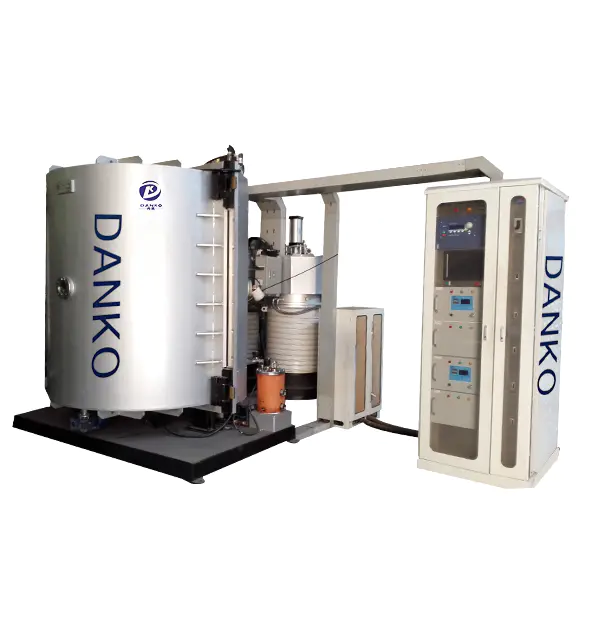
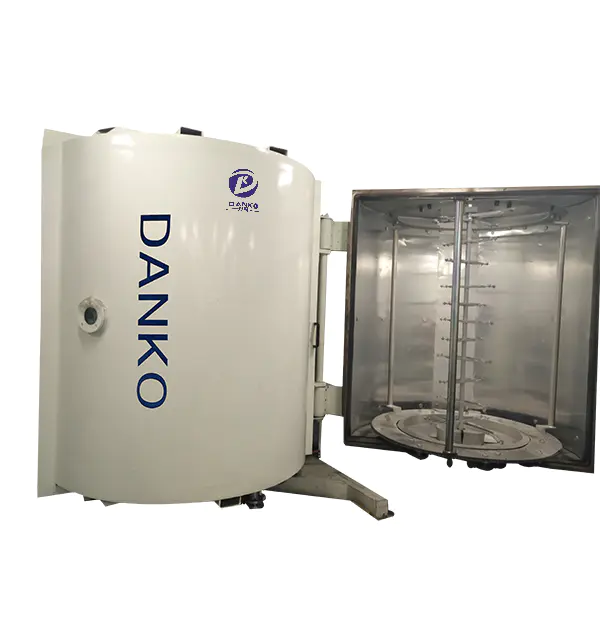
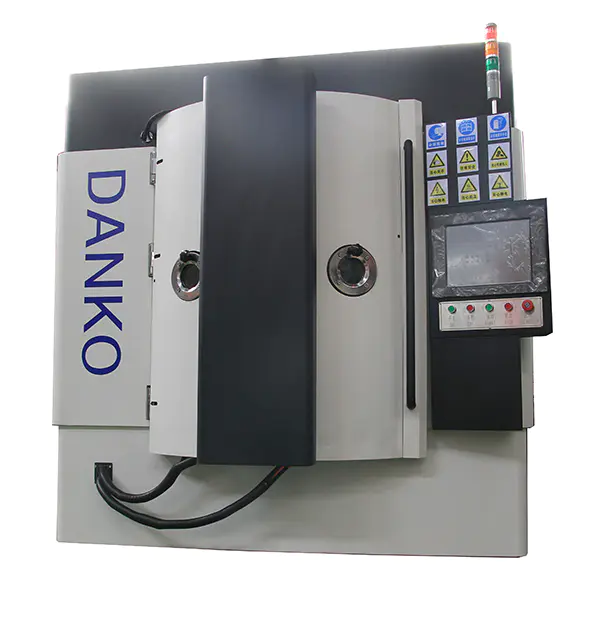
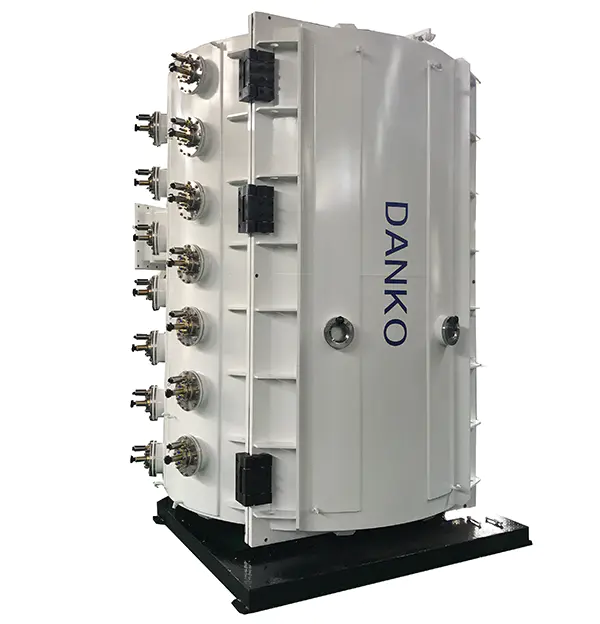
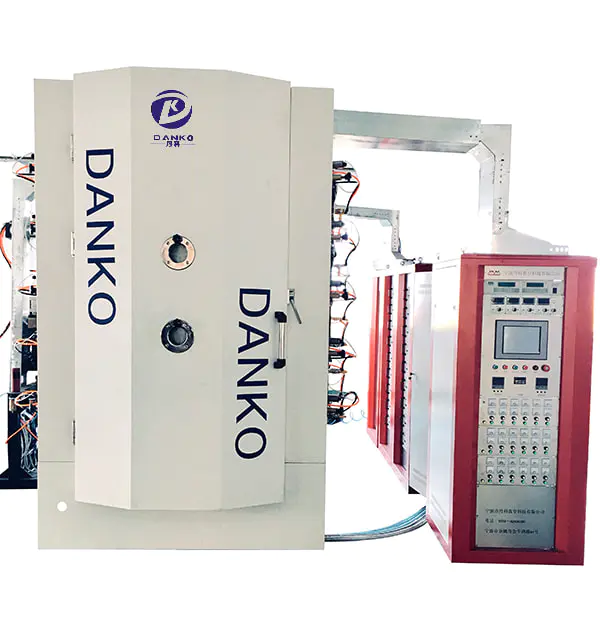
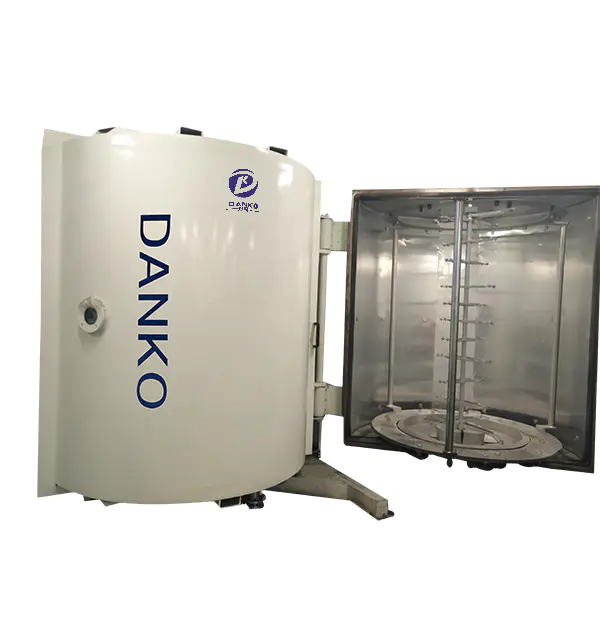
It is worth distinguishing wet coating line downtime from stoppages on vacuum-based processes, since the failure modes differ significantly. A vacuum metallizer machine does not deal with nozzle clogging or wet material handling at all; instead, its most common downtime drivers are vacuum chamber leaks, filament or evaporation source failures, and pump degradation. Achieving and maintaining the required vacuum level is the critical bottleneck, and even a small seal leak can extend pump-down time by several minutes per cycle, compounding into significant lost production over a full shift.
Facilities operating both wet spray or roll coating lines and a vacuum metallizer machine benefit from maintaining separate downtime logs for each process type. Applying wet-line troubleshooting logic to a vacuum-based fault wastes diagnostic time that should instead be spent checking chamber seals, vacuum pump oil condition, and source material levels.
A Practical Framework for Reducing Total Downtime
Reducing unplanned downtime is most effective when facilities track stoppage causes systematically rather than reacting to each incident individually. The following framework reflects practices used by well-run coating operations to identify and reduce recurring issues.
vacuum metallizer machine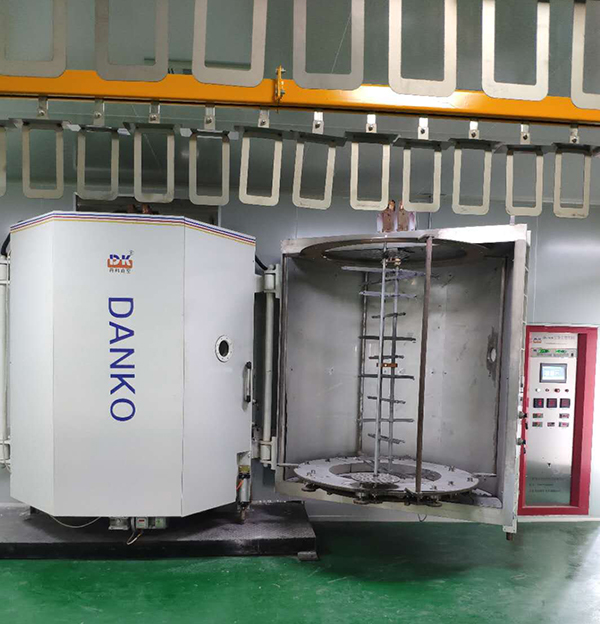
- Log every stoppage with cause, duration, and shift so patterns become visible over time
- Rank causes by cumulative downtime rather than frequency alone, since a rare but long stoppage may outweigh many short ones
- Assign preventive maintenance intervals based on tracked component running hours
- Standardize cleaning, purging, and changeover procedures across all shifts
- Review sensor calibration on a fixed schedule rather than only after a fault occurs
Facilities that adopt this kind of structured downtime tracking typically identify that a small number of recurring causes — often the same three or four issues — are responsible for the majority of lost production time, allowing maintenance resources to be focused where they matter most.
Building a Preventive Maintenance Culture
Long-term reduction in unplanned downtime depends less on any single fix and more on shifting maintenance from reactive to preventive. Operators who are trained to recognize early warning signs — a slight vibration, a minor pressure fluctuation, a small color shift — can flag issues during scheduled checks rather than waiting for a full stoppage. Maintenance logs that cross-reference component running hours with defect reports make it possible to predict failures before they occur rather than simply reacting once a line has already stopped.
Facilities that combine scheduled component replacement, standardized cleaning procedures, and quarterly sensor calibration typically report downtime reductions in the range of 15 to 25 percent within the first year of implementing a structured preventive maintenance program, making it one of the highest-return investments available on any coating production line.
Every stoppage has a history before it has a moment. The lines that run longest aren't the ones with fewer problems — they're the ones that learned to hear the warning before it became the failure.

 Tel: +86-13486478562
 FAX: +86-574-62496601
 Email:
  Address: No. 79 West Jinniu Road, Yuyao, Ningbo City, Zhejiang Provice, China