
 Email:
 Tel:+86-13486478562

 Language
 Español
 Português
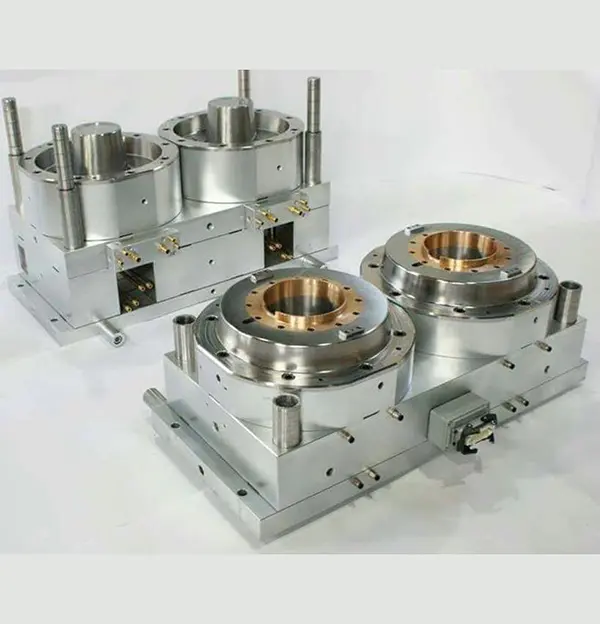
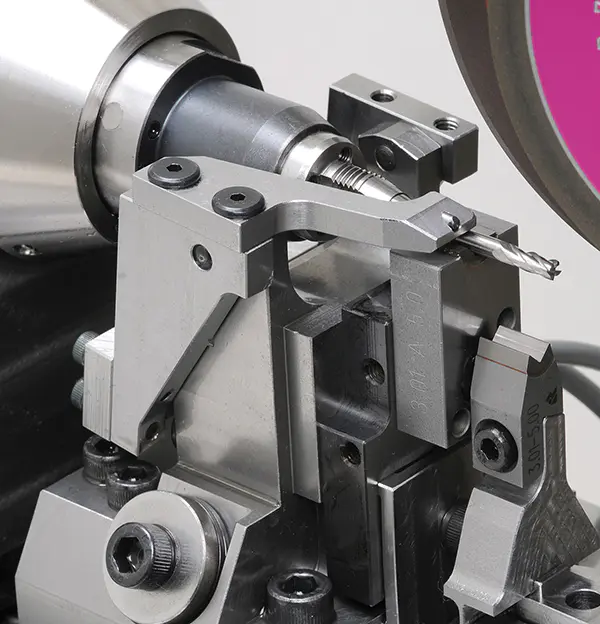
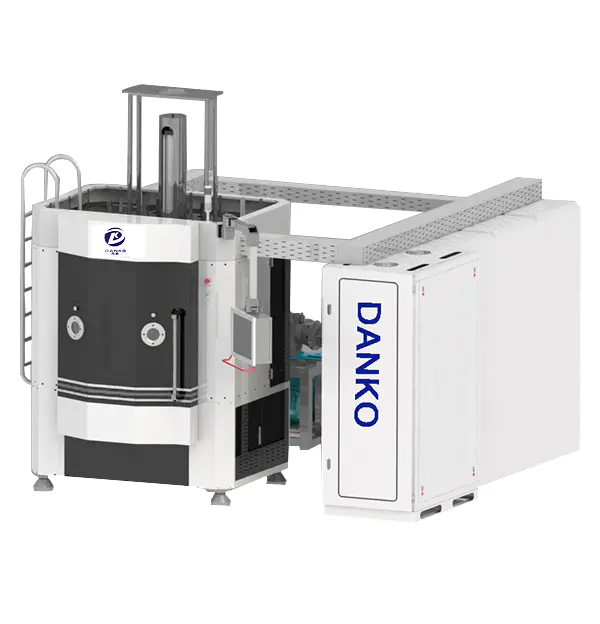
Surface engineering / Architectural hardware Door Handle PVD Coating Machine: Beauty That Survives the Hand A door handle is touched dozens of times...
READ MOREPower supply Suppliers
-
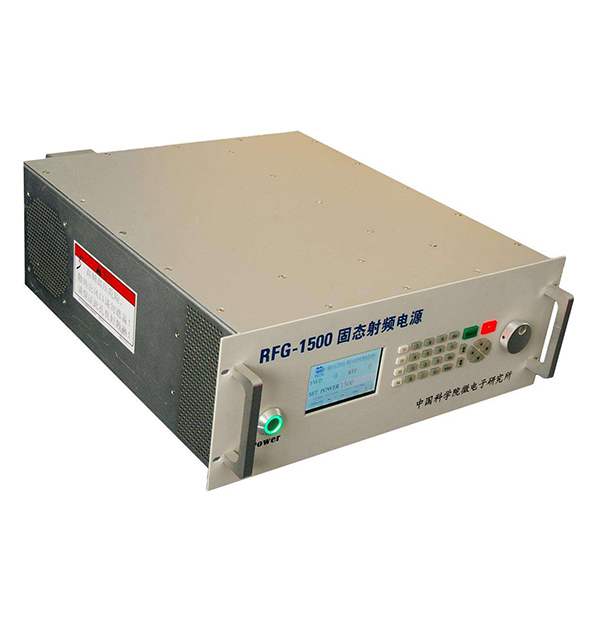
RF power supply
... -
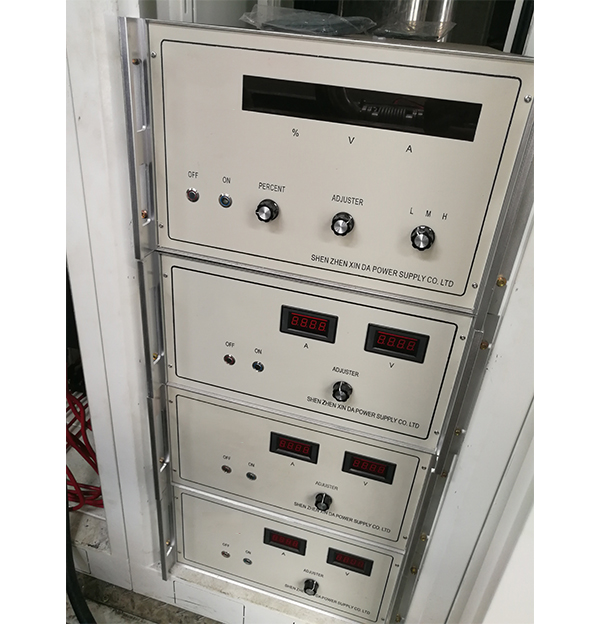
MF power supply
... -
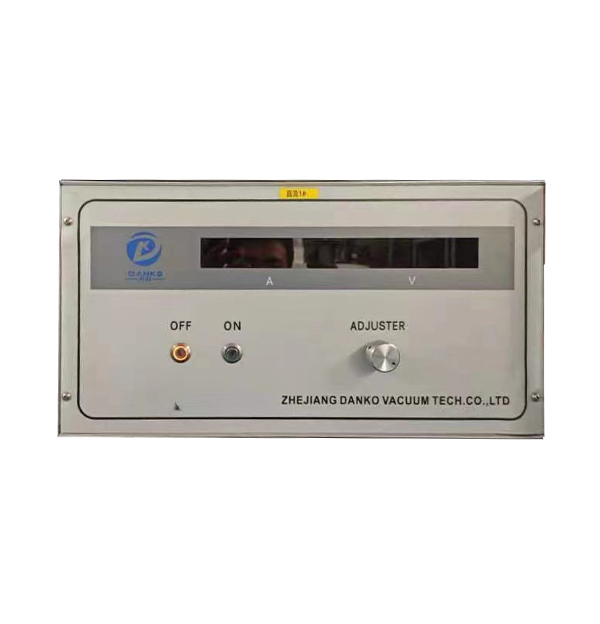
DC power supply
... -
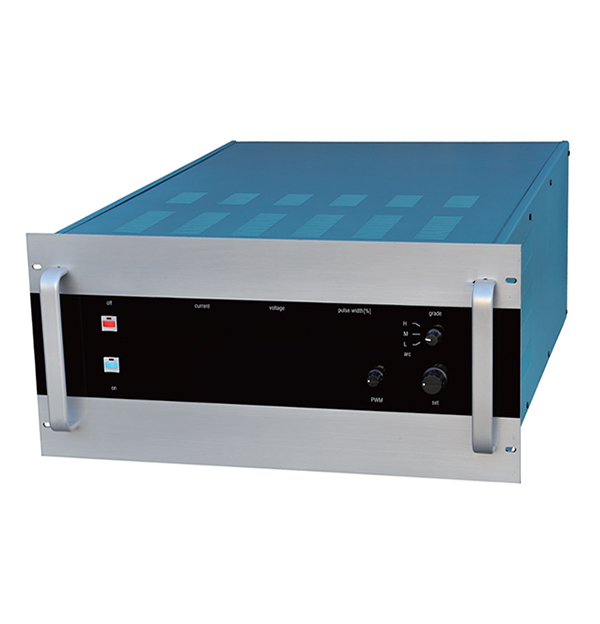
-
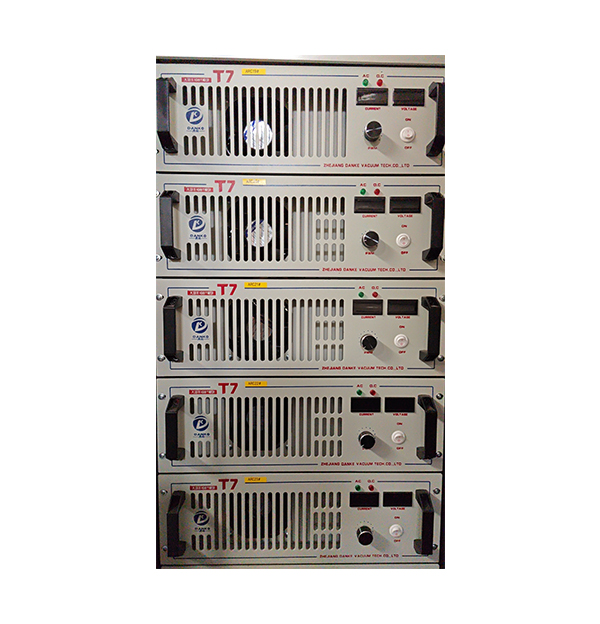
Arc power supply
...
As the core component of vacuum coating technology, the vacuum coating power supply plays a crucial role in improving the efficiency, quality and stability of the coating.
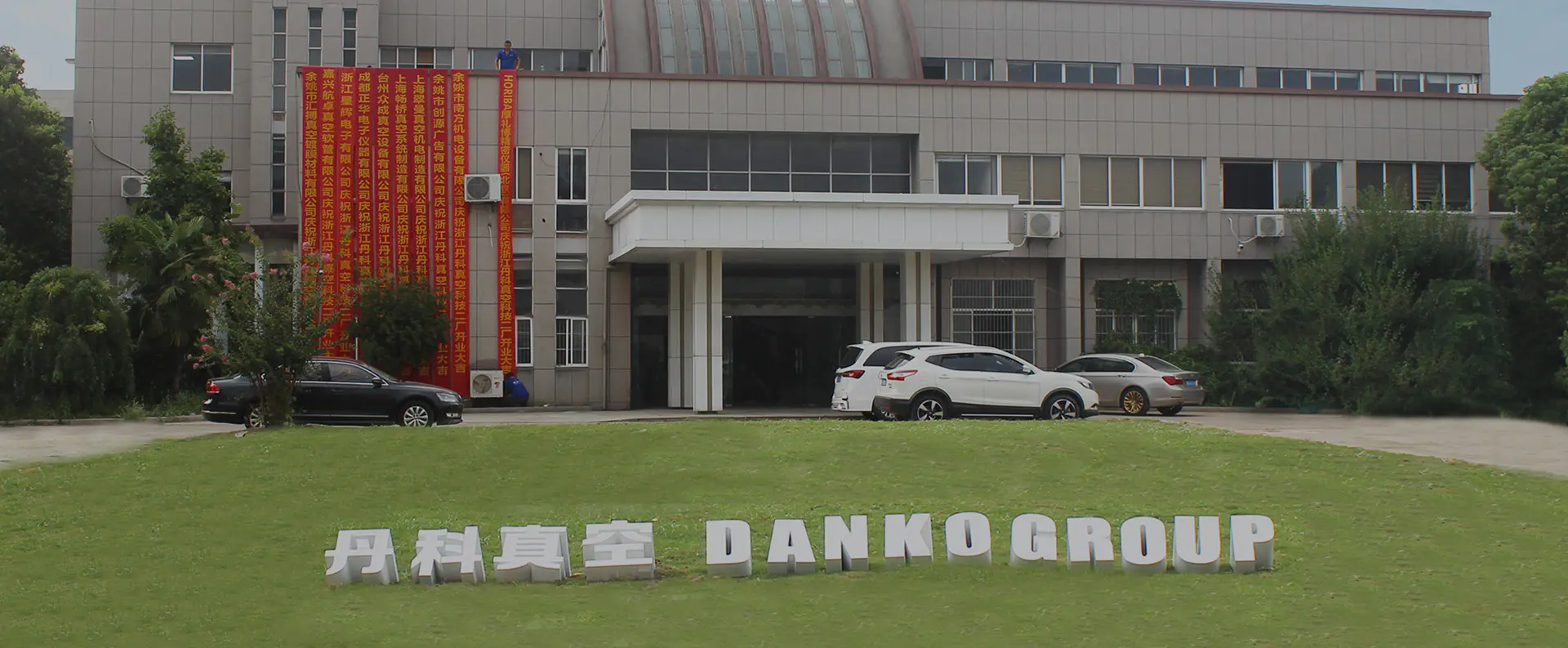
Ningbo Danko Vacuum Technology Co., Ltd. Since 2020
Founded in 2007 as previous name Huahong Vacuum Technology, is a nationwide renowned PVD vacuum coating system manufacturer and vacuum coating technology developer, including but not limited to Sputtering Systems, Optical Coating Units, Batch Metallizers, Physical Vapor Deposition (PVD) Systems, Hard and Wear Resistant Vacuum Coating Deposition Equipment, Glass, PE, PC Substrate Coaters, Roll-to-Roll Machines for coating flexible substrates. The machines are used for a wide range of applications described below (but not limited to) Automotive, Decorative, Hard coatings, Tool & Metal Cutting coatings, and thin film coating applications for industrial and Laboratories including Universities.
As China Power supply Manufacturers and Power supply Suppliers, Danko Vacuum Technology Co., Ltd is committed to expanding our market boundaries by providing high-quality, high-performance vacuum coating equipment. Our Company is highly focused on after-sales service in Domestic and International markets, providing accurate part processing plans and professional solutions to meet customers' needs.
As China Power supply Manufacturers and Power supply Suppliers, Danko Vacuum Technology Co., Ltd is committed to expanding our market boundaries by providing high-quality, high-performance vacuum coating equipment. Our Company is highly focused on after-sales service in Domestic and International markets, providing accurate part processing plans and professional solutions to meet customers' needs.

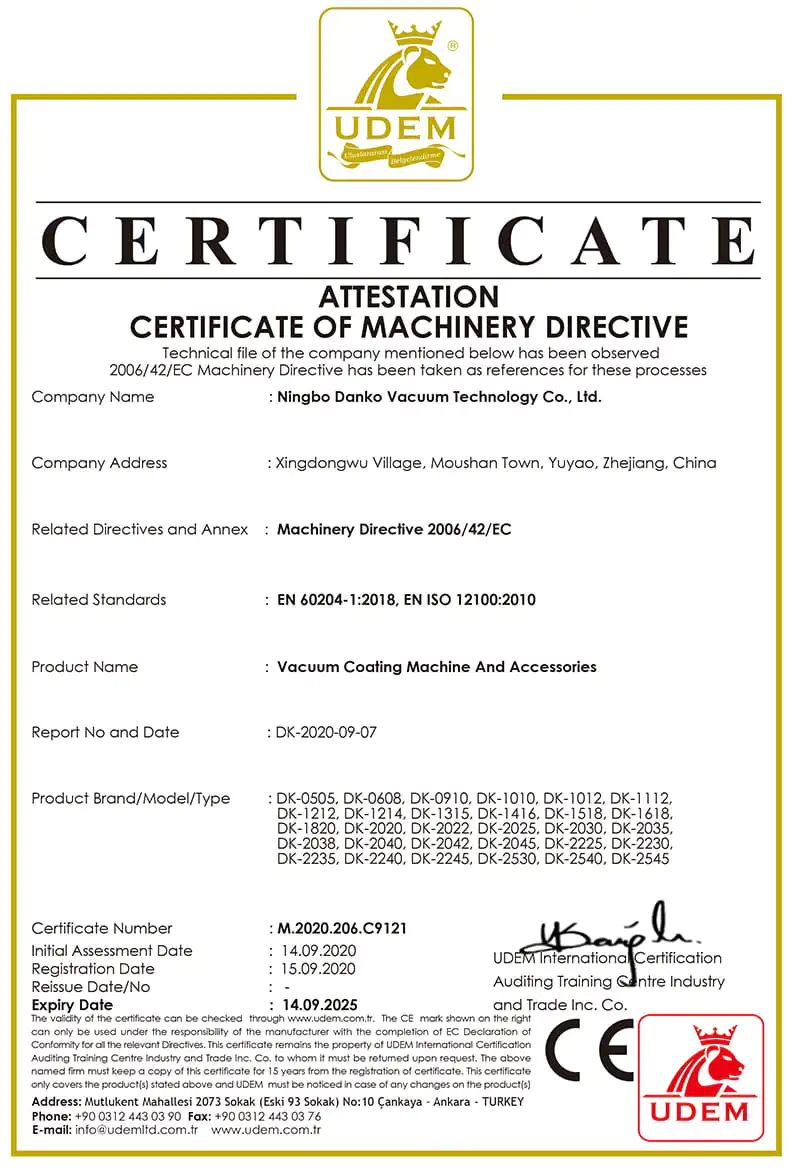
System Certification
We focus on developing high-quality products for top-end markets. As Our products are in line with international standards and are mainly exported to Europe, America, Japan and other destinations around the world.


News
-
-
The Large Area PVD Coater: Where Uniformity Meets Scale A practical, experience-led guide to chamber design, process routes, and the choices that de...
READ MORE -
PVD Coating Technology & Equipment Selection The Electron Beam Vacuum Coating Machine, Explained in Production Terms High-energy evaporation for...
READ MORE -
A cutting tool manufacturer and a maker of premium bathroom fittings may both request a plasma coating machine, yet hear descriptions so different t...
READ MORE
Message Feedback
Industry knowledge
Ningbo Danko Vacuum Technology Co., Ltd. builds PVD vacuum coating systems and supplies the power supplies that drive their cathodes, targets and bias circuits. Our Power supply range covers RF, MF, DC, bias and arc units for sputtering, arc ion plating and evaporation processes.
We configure each unit around the coating process, chamber layout and electrical infrastructure of the line, so the power supply arrives as part of a working deposition system rather than a stand-alone box.
Our position in vacuum coating power
Danko has developed and manufactured vacuum deposition equipment since 2007, originally as Huahong Vacuum Technology. Our engineering team of about 90 professionals works across coating development, system manufacturing, delivery and after-sales support, which means power supply selection is handled by the same group that designs the chamber, cathodes and control logic.
We supply power supplies both as part of complete PVD systems and as replacement or expansion units for existing coaters. The range is used in hard and wear-resistant coatings, decorative metallization, automotive parts coating, tool and mould coatings, and thin-film work in industrial and university laboratories.
The range we manufacture and supply
Each power supply type serves a distinct role in the deposition process. The table below shows how we match the five families to typical coating duties.
| Power supply | Typical process role | Notable configuration points |
|---|---|---|
| RF power supply | RF sputtering of insulating targets and RF-assisted processes | 10–50 kW range, electronic tube/transistor hybrid design, continuous and pulse output, 100% offset protection |
| MF power supply | Dual-magnetron sputtering and reactive oxide/nitride films | Broad power and frequency range, fast arc management, modular structure, high output current |
| DC power supply | DC magnetron sputtering of conductive targets | Water-cooled compact structure, low arc residual energy, output above 40 kW available |
| Bias power supply | Substrate bias for film density, adhesion and ion bombardment control | Matched to substrate holder insulation, chamber grounding and process recipe |
| Arc power supply | Cathodic arc ion plating for hard, decorative and wear-resistant films | Arc steering and target current matched to cathode count and chamber size |
Application fit across our coating systems
Power supply choice follows the coating process, not the other way round. In our DLC-Diamond like carbon coating machine lines, bias and MF or DC supplies work together to control ion energy and film density. In multi-arc ion plating systems, arc supplies drive the cathodes while bias supplies set substrate potential.
For decorative metallization, thermal evaporation and sputtering lines, DC and MF units handle target power while RF units support insulating target materials. Automotive light metallization and decorative parts coating also rely on stable arc management to keep films uniform across large batches.
- Hard and wear-resistant coatings: arc and bias supplies for tool, mould and component films.
- Decorative coatings: DC, MF and arc supplies for metallized surfaces on steel, zinc alloy, ABS and other prepared substrates.
- Automotive parts: power stability across multi-cathode chambers for lights and decorative trim.
- Thin-film and laboratory work: RF and DC supplies for sputtering systems and optical coating units.
Critical specifications we confirm
Power rating alone does not define a suitable supply. We confirm the working point, target material, cathode arrangement and process gas before proposing a model.
- Output power, voltage and current range against the target size and deposition rate.
- Output mode: continuous, pulse or combined, depending on the process.
- Arc management response and residual arc energy, which affect film defects and target life.
- Frequency range for MF and RF units, matched to target impedance and matching network.
- Cooling method and water quality requirements for water-cooled DC and MF units.
- Control interface: analogue, digital or fieldbus options for integration with the coater PLC.
Controls and automation integration
Our supplies are designed for integration into the coating system control architecture. We match the interface to the PLC or supervisory system used on the line, so power setpoints, arc counts and fault signals are visible in the same operating screen as vacuum, gas and motion data.
Where a customer is expanding an existing coater, we confirm the available control signals and cabinet space before delivery. Cable routing, shielding and grounding are agreed as part of the installation scope to reduce electrical noise in the deposition chamber.
Installation, utilities and operator safety
Power supplies are installed with dedicated circuits, correctly sized cables, safety disconnects and grounding that follows local electrical codes. Water-cooled units need a stable cooling loop with specified flow and temperature, and the installation area should be protected from moisture, dust and extreme temperature.
- Dedicated electrical circuit with circuit breakers and fuses sized to the supply.
- Grounding and surge protection for the power cabinet and chamber.
- Cooling water flow, pressure and quality confirmed before commissioning.
- Clear access to breakers, panels and cable terminations for maintenance.
- Labelling and documentation of all electrical connections.
Quality control and acceptance
We debug and inspect products before shipment, and our coating systems are built to international standards for export to Europe, America, Japan and other markets. Power supplies are checked for output stability, protection response and interface function as part of the system test.
Acceptance can include a factory run at the agreed working point, verification of arc management behaviour and review of the electrical documentation package. Where a supply is delivered with a complete coating system, it is commissioned together with the chamber and process recipe.
Maintenance, spares and serviceability
Water-cooled supplies need periodic checks of coolant quality, flow and connection tightness. Air-cooled units require clean airflow and filter inspection. We support customers with spare parts planning and technical guidance so that maintenance can be scheduled around production.
Our after-sales team works with domestic and international customers on part processing plans and technical solutions. For multi-unit installations, we recommend keeping critical wear items and interface boards identified in the documentation package.
Information we use to configure your solution
To prepare a suitable power supply proposal, we need the process and electrical context of the line. The checklist below covers the inputs that most affect model selection and integration.
| Project input | What we need to know |
|---|---|
| Coating process | Sputtering, arc ion plating, evaporation or a combination; target material and reactive gas |
| Chamber and cathode layout | Number and size of cathodes, target-to-substrate distance, substrate holder arrangement |
| Electrical supply | Plant voltage, phase, frequency and available capacity at the installation point |
| Cooling utilities | Water flow, temperature and quality for water-cooled supplies |
| Control interface | PLC type, communication protocol and signals required for the coater control system |
| Production target | Required deposition rate, film thickness and batch cycle time |
Frequently asked questions
Which power supply type should I use for reactive sputtering?
Reactive sputtering of oxide or nitride films is usually driven by MF or pulsed DC supplies, because they manage arc events on the target surface. We confirm the target material, reactive gas and required film properties before recommending a model.
Can Danko supply a power supply for an existing coating machine?
Yes. We supply replacement and expansion units for existing coaters. We need the chamber layout, cathode data, control interface and electrical supply details to match the new unit to the existing system.
What cooling does a water-cooled DC power supply require?
Water-cooled DC supplies need a stable cooling loop with adequate flow and temperature. We confirm the required flow and water quality during configuration and include the cooling connection data in the installation documentation.
How is the power supply integrated with the coater control system?
We match the control interface to the PLC or supervisory system used on the line. Analogue, digital and fieldbus options are available depending on the model, and we agree the signal list before delivery.
What information is needed for a quotation?
We need the coating process, target material, cathode count, required power range, plant electrical supply, cooling data and control interface. With these inputs we can propose a model and confirm the integration scope.
Do you provide spare parts and technical support after delivery?
We support customers with spare parts planning and technical guidance through our after-sales team. For complete coating systems, power supplies are commissioned together with the chamber and process recipe.

Quick Link
Detailed information
 Tel: +86-13486478562
 FAX: +86-574-62496601
 Email: [email protected]
 Address: No. 79 West Jinniu Road, Yuyao, Ningbo City, Zhejiang Provice, China
Copyright © Ningbo Danko Vacuum Technology Co., Ltd. All Rights Reserved.
 OEM/ODM Power supply Suppliers