
 Email:
 Tel:+86-13486478562

 Language
 Español
 Português
Surface engineering / Architectural hardware Door Handle PVD Coating Machine: Beauty That Survives the Hand A door handle is touched dozens of times...
READ MOREMechanical transmission coating machine Suppliers
-
-

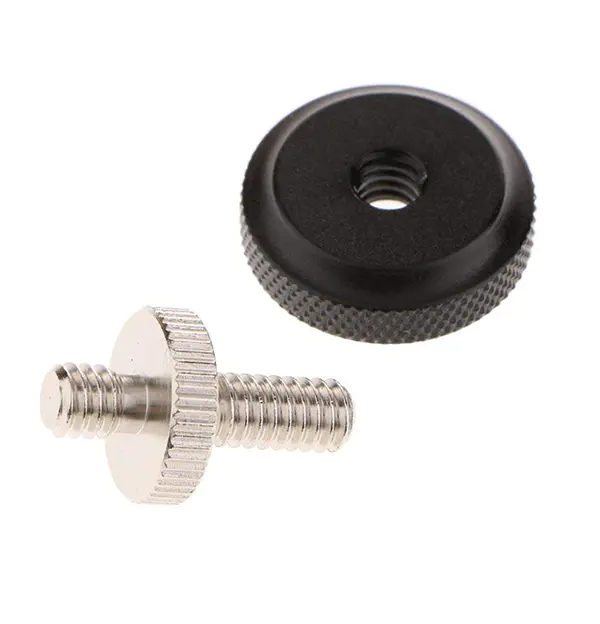
Wear resistant film vacuum metallizing machine
As an indispensable key equipment in modern industrial manufacturing, Wear Resistant Film Vacuum Metallizing Machine uses advanced vacuum metallizing technology to add strong and wear-resistant met...
-
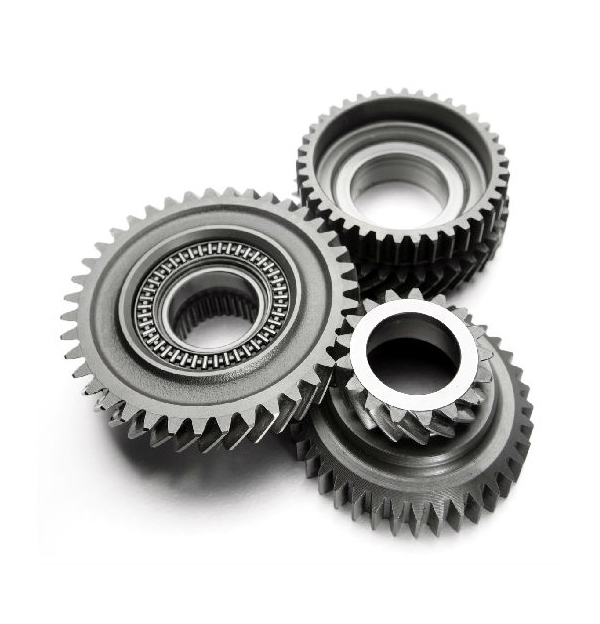
Gear transmission vacuum coating machine
In modern industrial manufacturing, the gear transmission system is an important power transmission device. Its performance and durability are crucial to the operating efficiency and reliability of...
-
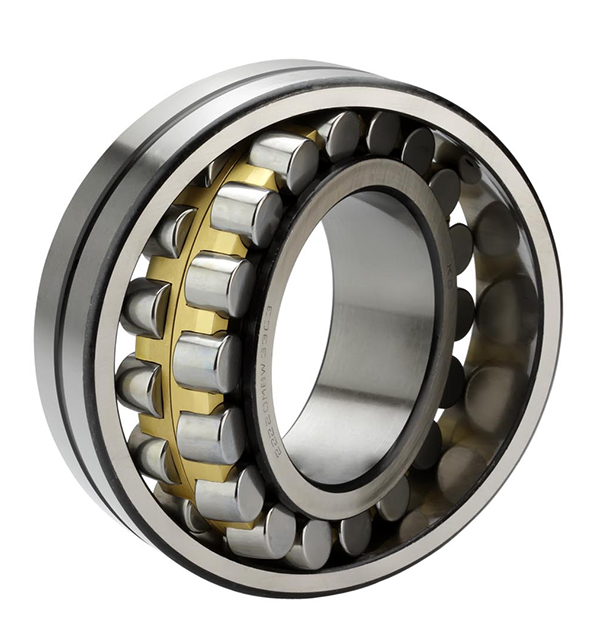
Bearing transmission hard vacuum coating machine
Operation process of Bearing Transmission Hard Vacuum Coating Machine:
Before using Bearing Transmission Hard Vacuum Coating Machine, you need to ensure that the equipment is in good working c... -
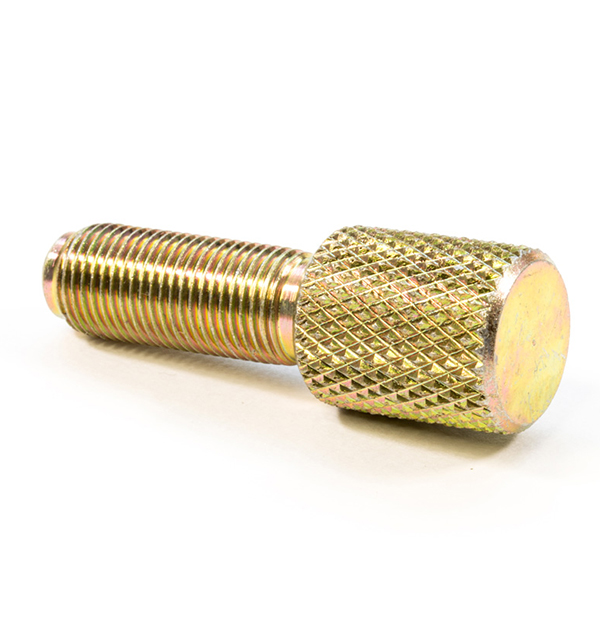
Screw compressor coating machine
Screw Compressor Coating Machine is a kind of equipment specially used for surface coating of screw compressors. It ensures that the screw compressor can maintain stable performance during long-ter...
Molybdenum disulfide vacuum coating technology is widely used in industrial automation and aviation, automotive and other fields, especially in extreme conditions such as high temperature, high pressure and corrosion, its effect is more obvious. For example, it is used in aircraft retarders, spoke and other high-speed gear parts, which can significantly reduce gear wear, reduce noise, and improve transmission efficiency and reliability.
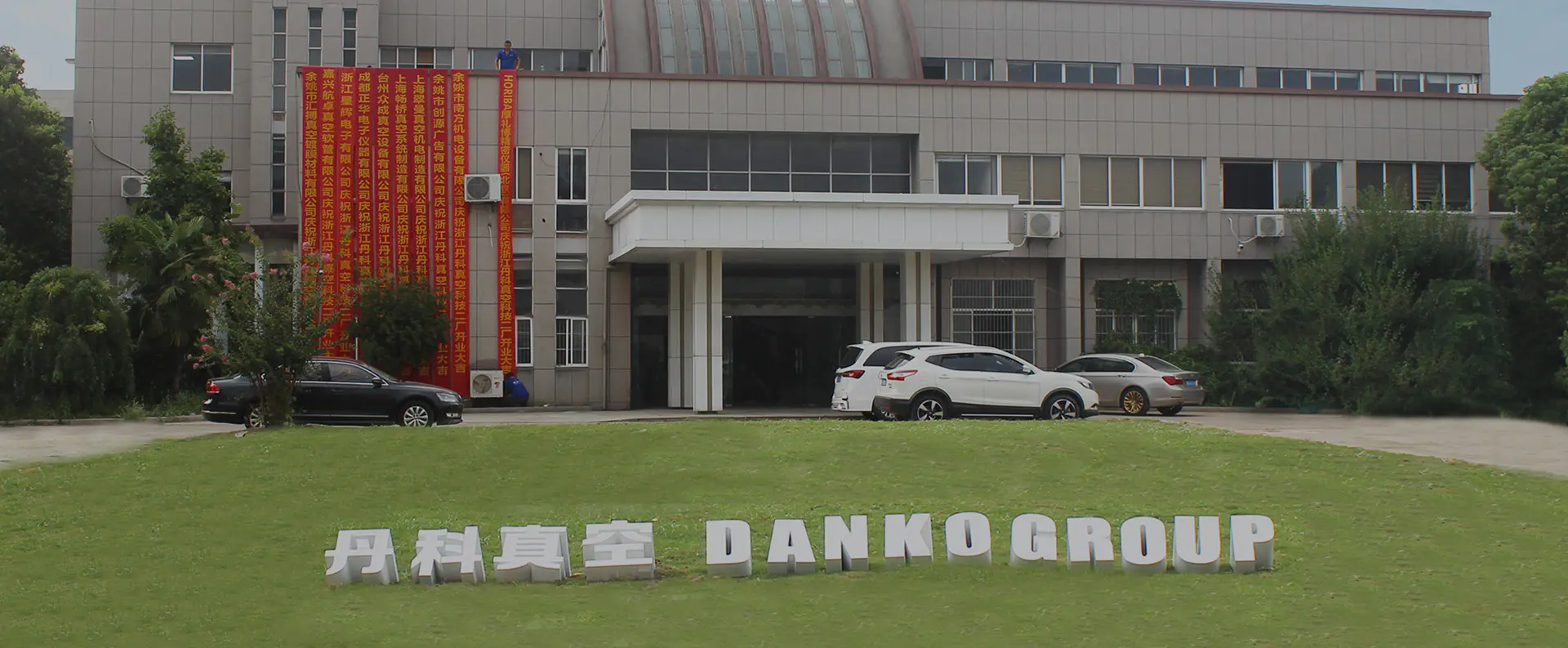
Ningbo Danko Vacuum Technology Co., Ltd. Since 2020
Founded in 2007 as previous name Huahong Vacuum Technology, is a nationwide renowned PVD vacuum coating system manufacturer and vacuum coating technology developer, including but not limited to Sputtering Systems, Optical Coating Units, Batch Metallizers, Physical Vapor Deposition (PVD) Systems, Hard and Wear Resistant Vacuum Coating Deposition Equipment, Glass, PE, PC Substrate Coaters, Roll-to-Roll Machines for coating flexible substrates. The machines are used for a wide range of applications described below (but not limited to) Automotive, Decorative, Hard coatings, Tool & Metal Cutting coatings, and thin film coating applications for industrial and Laboratories including Universities.
As China Mechanical transmission coating machine Manufacturers and Mechanical transmission coating machine Suppliers, Danko Vacuum Technology Co., Ltd is committed to expanding our market boundaries by providing high-quality, high-performance vacuum coating equipment. Our Company is highly focused on after-sales service in Domestic and International markets, providing accurate part processing plans and professional solutions to meet customers' needs.
As China Mechanical transmission coating machine Manufacturers and Mechanical transmission coating machine Suppliers, Danko Vacuum Technology Co., Ltd is committed to expanding our market boundaries by providing high-quality, high-performance vacuum coating equipment. Our Company is highly focused on after-sales service in Domestic and International markets, providing accurate part processing plans and professional solutions to meet customers' needs.

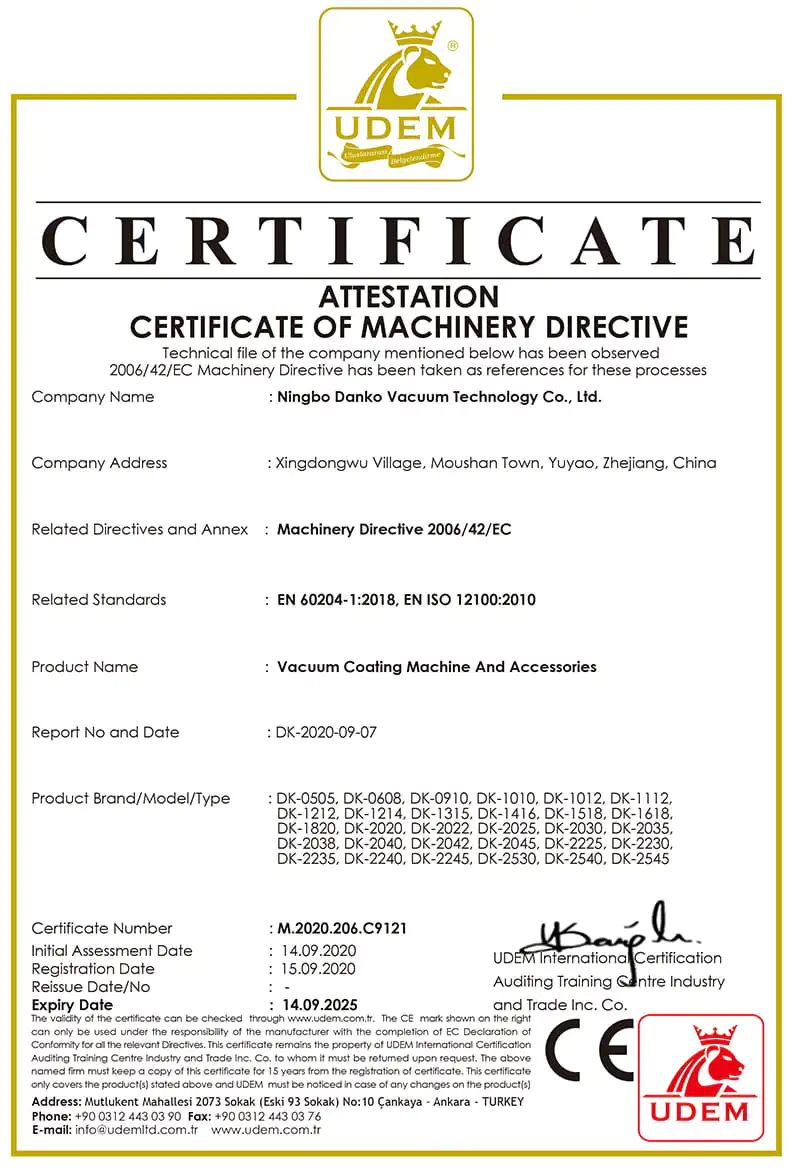
System Certification
We focus on developing high-quality products for top-end markets. As Our products are in line with international standards and are mainly exported to Europe, America, Japan and other destinations around the world.


News
-
-
The Large Area PVD Coater: Where Uniformity Meets Scale A practical, experience-led guide to chamber design, process routes, and the choices that de...
READ MORE -
PVD Coating Technology & Equipment Selection The Electron Beam Vacuum Coating Machine, Explained in Production Terms High-energy evaporation for...
READ MORE -
A cutting tool manufacturer and a maker of premium bathroom fittings may both request a plasma coating machine, yet hear descriptions so different t...
READ MORE
Message Feedback
Industry knowledge
Ningbo Danko Vacuum Technology Co., Ltd. manufactures mechanical transmission coating machines for gears, bearings, automatic transmissions, all-wheel drive components and screw compressor parts. These are arc PVD batch systems that deposit hard, wear-resistant films such as TiN, TiC, TiCN, TiAlN, TiAlCN, TiCrN, TiCrCN and TiAlCrN, with DLC capability where lower friction and higher surface hardness are required. As a China Mechanical transmission coating machine manufacturer, we build each system around the part family, the required film, the production target and the line interface.
Where Mechanical Transmission Coating Fits
Transmission parts fail at the surface first. Sliding gear flanks, bearing races, synchronizer rings and compressor rotors see repeated contact stress, mixed lubrication and debris. A thin hard PVD film raises surface hardness and lowers the friction coefficient without changing part geometry, so the substrate keeps its core toughness while the contact zone gains wear resistance.
Our systems are used across gear transmission, automatic transmission, all-wheel transmission, bearing transmission, screw compressors and general mechanical industry components. Molybdenum disulfide and DLC-type films are also applied where high-speed gears, aircraft retarders and similar parts need lower noise and higher transmission efficiency under high temperature, high pressure or corrosive conditions.
Our Mechanical Transmission Coating Range
The range below is configured from one platform family. Chamber size, arc source count, bias power, gas control and handling are selected per part, not sold as a fixed catalogue unit.
| System | Typical Parts | Film Focus | Configuration Note |
|---|---|---|---|
| Mechanical Transmission Coating Machine | Gears, shafts, transmission housings | TiN, TiCN, TiAlN, DLC | Vertical batch, single or double door |
| Wear resistant film vacuum metallizing machine | Industrial products needing abrasion resistance | TiN, CrN and multilayer composites | Ion-beam cleaning and pretreatment stage |
| Gear transmission vacuum coating machine | High-speed gears, large transmission devices | Hard films for high-load contact | Three-dimensional substrate motion for uniformity |
| Bearing transmission hard vacuum coating machine | Bearing races, rolling elements | CrN, TiCN, DLC-type low-friction films | Fixture design matched to ring geometry |
| Screw compressor coating machine | Screw rotors and compressor components | Wear and corrosion-resistant films | Long-cycle stability for continuous operation |
Substrates and Surface Preparation
Arc PVD suits conductive, heat-resistant substrates. For transmission work this normally means hardened and tempered steel, high-speed steel, tungsten carbide and electroplated alloys. The base material must conduct electricity, withstand process temperature above 70 °C and release no gas under vacuum.
- Stainless steel, carbide and high-speed steel gears and shafts
- Electroplated zinc, copper, aluminum and iron alloy parts
- Bearing steel components after final grinding
- Screw compressor rotors and transmission housings
Parts enter the chamber clean and dry. Residual oil, oxide or handling marks reduce adhesion, so we specify the cleaning route and the ion-cleaning step in the process recipe rather than leaving it to the operator.
Critical Specifications We Confirm
Coating performance on a transmission part depends on more than the film name. We define the working point with you before quoting:
- Film system: single-layer or multilayer, nitride or DLC, target thickness range
- Adhesion and hardness targets: stated as acceptance criteria, not catalogue values
- Chamber load: part envelope, fixture weight and batch quantity per cycle
- Uniformity: thickness spread across the batch, supported by three-dimensional substrate motion
- Cycle time: pump-down, heat, etch, deposition and cool-down combined
- Repeatability: run-to-run variation across consecutive batches
Configuration and Automation
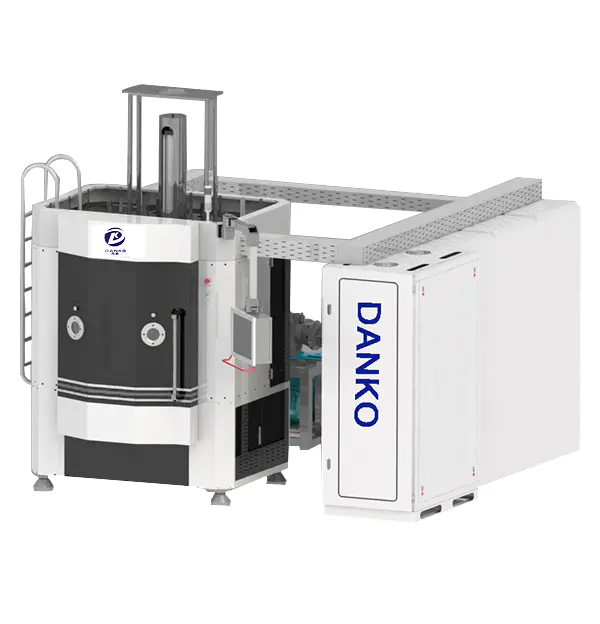
Our mechanical transmission coating machines are built as vertical batch systems with single or double door loading. The arc sputtering source arrangement, bias supply and gas control are matched to the film system. Substrates rotate in three dimensions so gear flanks, bore surfaces and bearing races receive comparable coverage.
Full automatic control runs the pump-down, heating, etching, deposition and cooling sequence from a stored recipe. Recipes are password-protected and logged, which keeps a validated cycle stable between shifts. Where the coater sits inside an existing line, we configure the control interface around the required handshake and data points.
Auxiliary scope: vacuum pumps, power supplies, pump oil and consumption materials including targets are supplied through our vacuum accessories range, so the process consumables and the coater come from one technical source.
Installation, Acceptance and Quality Control
We debug and inspect each system before shipment. Acceptance is agreed in writing and normally covers vacuum performance, leak rate, recipe execution, film thickness, adhesion and hardness on sample parts from your production batch. Where the part is safety- or warranty-critical, the acceptance plan is written around your drawing and surface specification.
- Utility schedule issued before delivery: power, cooling water, compressed air and exhaust
- Floor loading, chamber access and service clearance confirmed against your layout
- On-site installation, alignment and calibration support
- Operator and maintenance training covering recipes, troubleshooting and safety protocols
- Documentation package with manuals, maintenance guides and troubleshooting references
Our products are built to international standards and are mainly exported to Europe, America, Japan and other destinations. CE documentation is available for projects that require it.
Maintenance and Serviceability
Transmission coating is a production process, so uptime matters as much as film quality. Chamber internals, arc sources and shields are designed for scheduled cleaning and target replacement. We keep essential spare parts available and support remote diagnostics so a fault can be identified before a service visit is arranged.
Preventive maintenance intervals are set by cycle count and film type. Pump oil changes, target wear checks and shield cleaning are listed in the maintenance guide, and our after-sales team provides part processing plans and process adjustments when a part family changes.
Related Coating Platforms
Mechanical transmission parts sometimes share a floor with other hard-coating work. Our wider Hard/tribological coating machine range covers DLC, tools and moulds, and medical instruments, so a single supplier can support several part families.
Information We Use to Configure Your Solution
| Input | What It Determines |
|---|---|
| Part drawings and material grade | Chamber size, fixture design, pretreatment route |
| Required film and thickness | Arc source count, target material, gas control, cycle time |
| Batch quantity and shift pattern | Door configuration, load handling, automation level |
| Acceptance criteria | Test coupons, measurement method, documentation scope |
| Site utilities and layout | Power supply, cooling, exhaust, installation plan |
Frequently Asked Questions
Which films can your mechanical transmission coating machines deposit?
Our arc PVD systems deposit TiN, TiC, TiCN, TiAlN, TiAlCN, TiCrN, TiCrCN, TiAlCrN and other multilayer super-hard coatings, with DLC capability for lower-friction surfaces. The film system is selected against the contact conditions of the part.
Can you coat large gears and long shafts?
Chamber dimensions are configured from the part envelope. Send the largest and heaviest parts with their drawings, and we size the chamber, door type and fixture around them.
How is coating uniformity controlled across a batch?
Substrates move in three dimensions during deposition, and the arc source layout is set for the fixture geometry. Uniformity is verified on sample parts during acceptance.
What substrate condition is required before coating?
Parts must be conductive, heat-resistant above 70 °C and free of outgassing. Surfaces should be clean, dry and free of oil or oxide; the ion-cleaning step in the recipe prepares the surface for adhesion.
Do you support installation and operator training?
Yes. We provide on-site installation and commissioning support, operator and maintenance training, and a documentation package covering operation, maintenance and troubleshooting.
Can the coater be integrated with an existing production line?
We configure the control system around the required line interface, including the handshake and data points your line controller needs. Share the interface specification with the enquiry.

Quick Link
Detailed information
 Tel: +86-13486478562
 FAX: +86-574-62496601
 Email: [email protected]
 Address: No. 79 West Jinniu Road, Yuyao, Ningbo City, Zhejiang Provice, China
Copyright © Ningbo Danko Vacuum Technology Co., Ltd. All Rights Reserved.
 OEM/ODM Mechanical transmission coating machine Suppliers