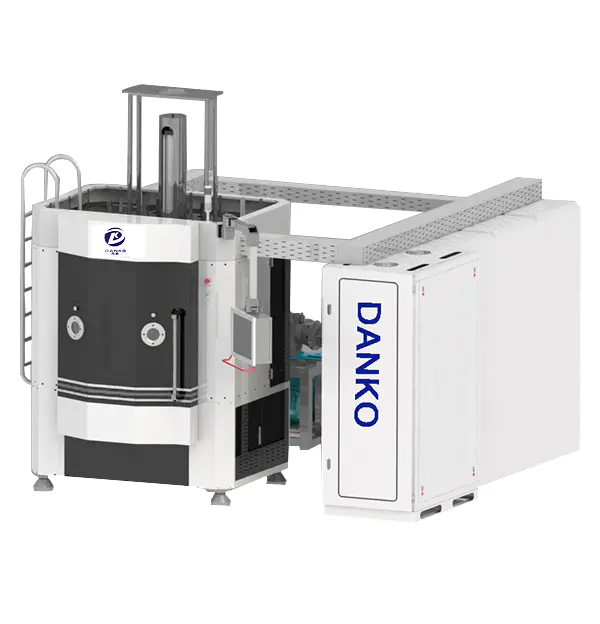
Ningbo Danko Vacuum Technology Co., Ltd. builds Special coating machine for auto parts for automotive component manufacturers that need hard, low-friction PVD films on engine and mechanical parts. Our vertical batch systems deposit TiN, TiCN, TiAlN, DLC-type and multilayer super-hard coatings at deposition temperatures below 200 °C, with single- or double-door chamber layouts configured around the parts, the fixture and the production target.
Where Our Automotive Function Coating Range Fits
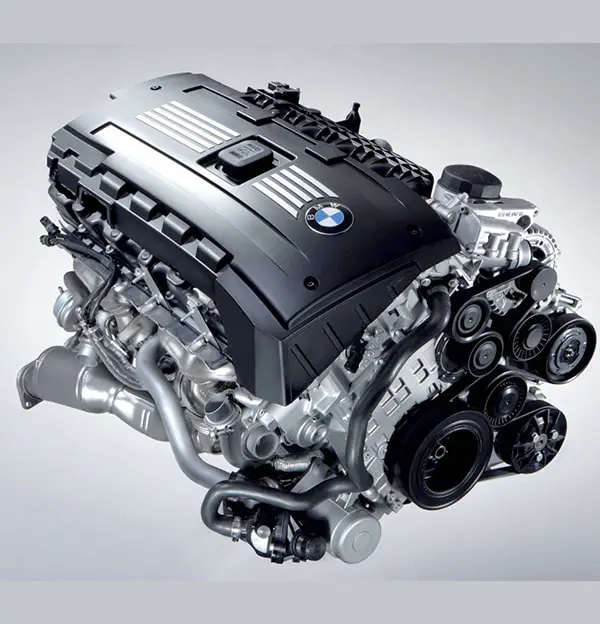
Cars operate under rain, salt, oil and repeated thermal cycling, and the parts inside the engine and drivetrain carry the highest contact loads. Our special coating machines are positioned for functional surfaces rather than appearance alone: piston rings, valves, tappets, injector components, gears and similar parts that benefit from a dense, adherent hard film. The same platform family also supports decorative and lighting metallization through our Automotive coating machines range, so a supplier producing both functional and visible parts can plan a coherent coating department.
Danko has developed vacuum coating systems since 2007 under the previous name Huahong Vacuum Technology, and today works with about 90 professional engineers and technicians across coating development, manufacturing, system delivery and after-sales service. That engineering depth is what we bring to a special coating project: the chamber, cathodes, fixturing and process recipe are treated as one system rather than separate purchases.
The Product Range We Supply
Our automotive special coating machines sit inside a broader PVD portfolio. The table below shows how each family is used so that a project team can see where a functional auto-parts coater fits relative to other Danko equipment.
| Product family |
Typical automotive use |
Coating focus |
| Special coating machine for auto parts |
Engine parts, valves, piston rings, injector and drivetrain components |
Hard, low-friction functional films |
| Automotive lights metallization coating machine |
Reflectors, bezels and lighting housings |
Reflective metallization |
| Automotive decorative parts coating machine |
Trim, grilles, interior and exterior brightwork |
Decorative and protective finishes |
| DLC-Diamond like carbon coating machine |
Racing and high-load friction pairs |
Diamond-like carbon films |
Application Fit Inside the Vehicle
Our automotive function coating systems are specified for parts where friction, wear and cold welding shorten service life. The coating reduces friction and wear on the engine inside and outside, which supports engine downsizing in hybrid electric vehicles, internal combustion engines and start/stop systems where the oil film repeatedly breaks down.
- Engine valves, tappets and valvetrain contact surfaces
- Piston rings and cylinder contact components
- Direct-injection gasoline and diesel fuel-system parts
- Mechanical racing components and high-load friction pairs
- Gears, shafts and other drivetrain parts handled by our Mechanical transmission coating machine range
Coating Systems and Critical Specifications
The standard process route for our automotive special coating machine is a vertical batch chamber with single or double door loading. Cathode configuration, bias power and gas control are selected to match the film system, and the recipe is developed on customer samples before acceptance.
Film systems
TiN, TiC, TiCN, TiAlN, TiAlCN, TiCrN, TiCrCN, TiAlCrN and multilayer super-hard coatings, with DLC-type carbon films available for low-friction applications.
Performance targets
Hardness up to 3000 HV, dry friction coefficient of steel around 0.1, chemically inert behaviour that limits cold welding, and deposition temperature below 200 °C.
Chamber format
Vertical batch loading with single- or double-door access, sized around part envelope, fixture weight and batch quantity.
Substrate and Material Considerations
PVD arc and sputtering processes require a substrate that can tolerate vacuum and the coating temperature. For automotive functional parts we work mainly with hardened steels, stainless steel and carbide grades, and with electroplated alloy surfaces where the plating is sound and fully cured.
- Stainless steel, high-speed steel and tungsten carbide
- Electroplated zinc, copper, aluminium and iron alloys
- Plastic ABS, PC, ABS+PC, PVC and nylon after electroplating
- Glass and ceramic components
Substrates need electrical conductivity, heat resistance above 70 °C and no outgassing under vacuum. Parts with blind holes, threads or deep recesses are reviewed for fixture orientation so that the plasma reaches the functional surface evenly.
Configuration, Controls and Line Integration
We configure each machine around the part family and the production plan rather than offering a single fixed model. Chamber dimensions, cathode count and arrangement, pumping set, bias supply and gas lines are selected together, and the control system is built around the required recipe steps and operator access level.
- Recipe-driven PLC control with stored programs for each part and film system
- Vacuum gauges, mass-flow gas control and arc or sputtering power supplies matched to the process
- Fixturing and rotation designed for uniform film on complex parts
- Utilities scope covering power, cooling water, compressed air and exhaust
Where the coater sits inside an existing line, we agree the loading method, part transfer and interface points during the technical review so that installation and commissioning follow a defined sequence.
Quality Assurance and Acceptance
Our production team debugs and inspects each system before shipment, and process development is carried out on customer-supplied samples so that the film performance can be checked against the agreed targets. Acceptance can be structured around coating thickness, surface hardness, adhesion and appearance, with test methods agreed at the proposal stage.
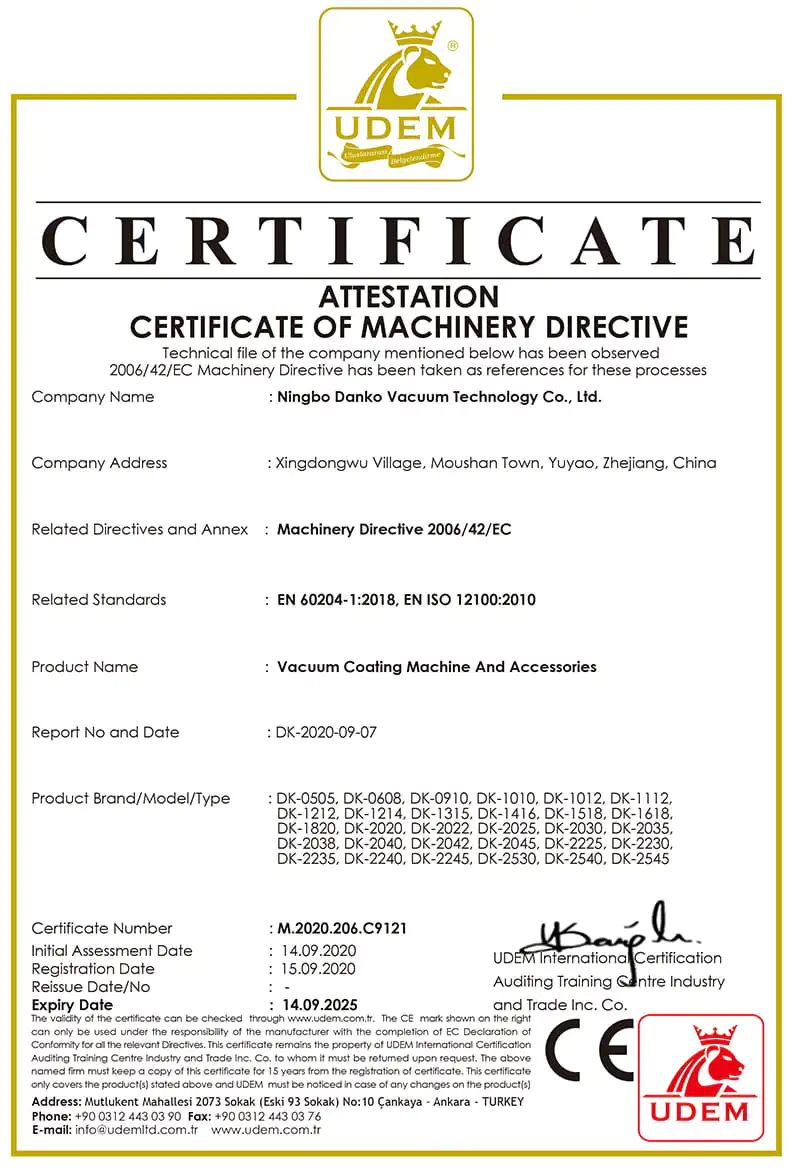
Danko products are built to international standards and are mainly exported to Europe, America, Japan and other destinations. Our vacuum accessories range, including Consumption materials & targets, power supplies and pumps, supports spare-part planning from the same supplier as the coater.
Installation, Maintenance and Documentation
Installation scope is agreed with the project team and covers chamber placement, utility connections, pump and power hook-up, and initial process runs. Our after-sales team supports domestic and international customers with part processing plans and technical training, and we keep maintenance points accessible for target replacement, chamber cleaning and pump service.
- Operating manuals, utility drawings and spare-parts lists supplied with the system
- Operator training on recipe loading, fixture handling and routine checks
- Maintenance schedule for targets, seals, filters and pump oil
- Packaging and delivery scope agreed before shipment from Ningbo
Information We Use to Configure Your Solution
A useful proposal depends on part data and production targets. The matrix below shows the inputs we review with your project team.
| Input |
What we need |
Why it matters |
| Part envelope |
Drawings, dimensions, weight and material |
Chamber size and fixture design |
| Film requirement |
Target hardness, friction, thickness and colour |
Coating system and cathode choice |
| Production target |
Batch quantity per shift and cycle time |
Pumping set, door format and loading method |
| Site conditions |
Power, water, air and floor space |
Utility scope and installation plan |
| Acceptance criteria |
Test methods and sample parts |
Process validation and sign-off |
Frequently Asked Questions
What parts can your special coating machine for auto parts coat?
Our automotive function coating systems are used for engine valves, tappets, piston rings, injector components, gears, shafts and other mechanical parts that need a hard, low-friction surface. Parts must be conductive, heat-resistant above 70 °C and free of outgassing.
Which coatings can the system deposit?
The standard range covers TiN, TiC, TiCN, TiAlN, TiAlCN, TiCrN, TiCrCN, TiAlCrN and multilayer super-hard coatings, with DLC-type carbon films for low-friction applications. Hardness can reach 3000 HV and the dry friction coefficient of steel is around 0.1.
Does the process affect heat-treated parts?
Deposition temperature is kept below 200 °C, which allows most hardened and tempered automotive steels to be coated without losing their base hardness. The exact limit is checked against the part material during process development.
Can the chamber and fixturing be customised?
Yes. We size the vertical batch chamber, cathode arrangement and fixturing around your part envelope and batch quantity, and we develop the recipe on your samples. Single- and double-door formats are available.
What support do you provide after delivery?
Our after-sales team supports installation, commissioning and operator training, and provides part processing plans and technical solutions for domestic and international customers. Spare targets, pumps, power supplies and pump oil are available through our vacuum accessories range.

 Email:
 Tel:+86-13486478562

 Language
 Español
 Português




 Tel: +86-13486478562
 FAX: +86-574-62496601
 Email:
 Address: No. 79 West Jinniu Road, Yuyao, Ningbo City, Zhejiang Provice, China
