
 Email:
 Tel:+86-13486478562

 Language
 Español
 Português
Surface engineering / Architectural hardware Door Handle PVD Coating Machine: Beauty That Survives the Hand A door handle is touched dozens of times...
READ MOREMagnetron sputtering coating machine Suppliers
-
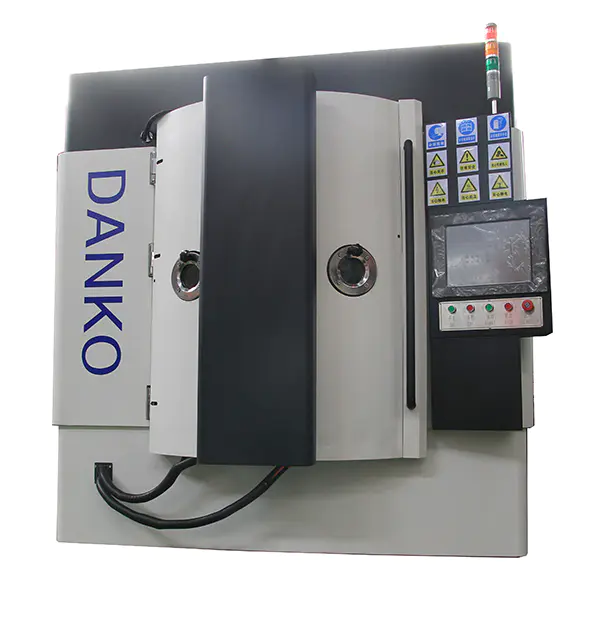
-
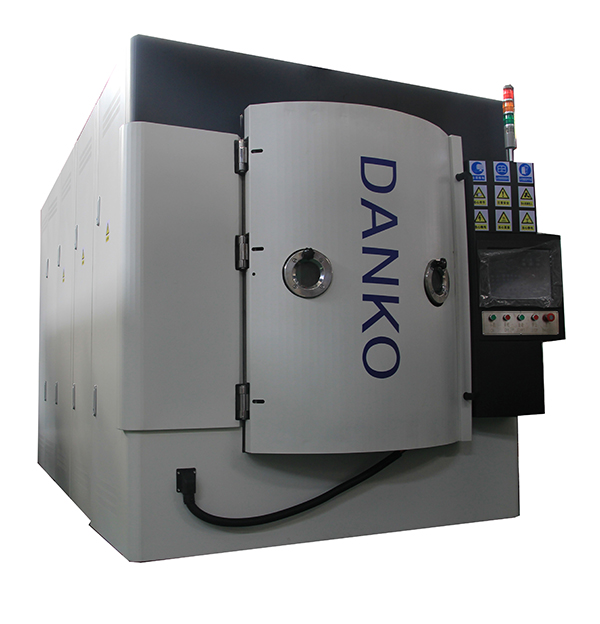
Dark Black PVD Coating Machine
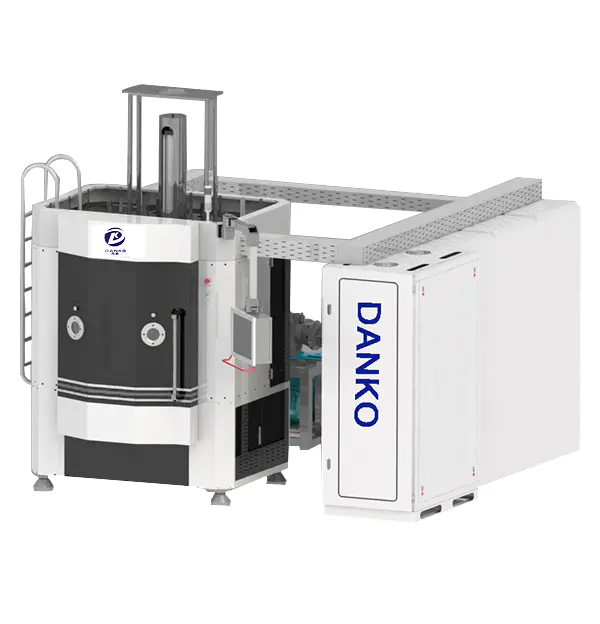
Dark Black PVD Coating Machine adopts advanced vacuum sputtering or vacuum ion plating technology. In a highly vacuum environment, high-energy particles bombard the target material, so that the bla...
-
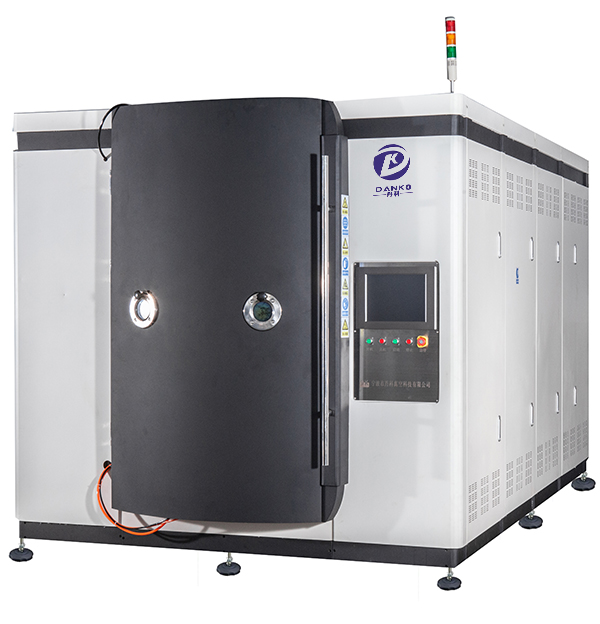
Medium Frequency MF Magnetron Sputtering System
The series of equipment is designed for stainless steel sheets to get a decorative coating by an ion plating technique, the ion plating layer has a real metal texture, which is much different from ...
-
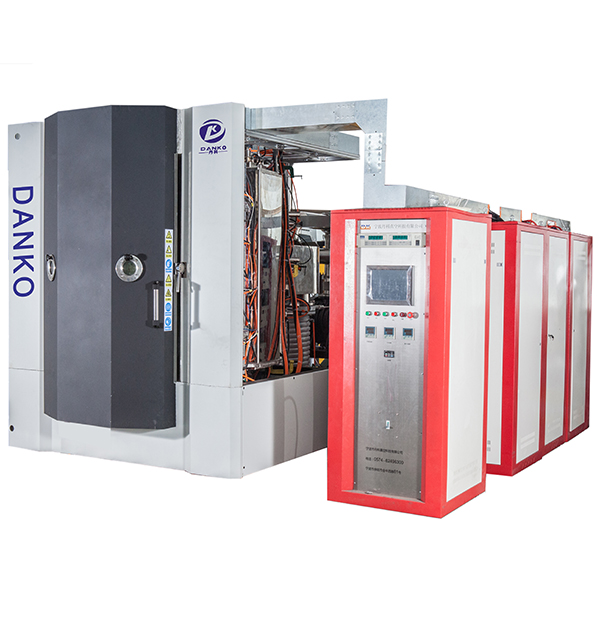
DC Magnetron Sputtering Deposition System
The core of DC Magnetron Sputtering Deposition System lies in the ingenious combination of DC power supply and magnetic field. In a vacuum environment, the DC power supply applies a high voltage el...
-
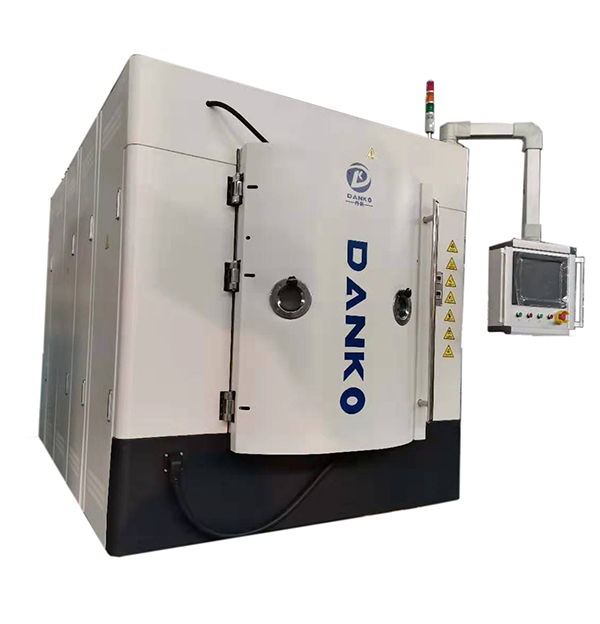
RF Magnetron Sputtering Deposition System
As a cutting-edge representative of modern thin film technology, RF Magnetron Sputtering Deposition System has unique system characteristics and shows extraordinary charm in the field of material p...
Glass, metal (carbon steel, stainless steel, brass, etc.), ceramic, plastic, jewelry and so on. Examples: car wheels, golf wares, watches, hard wares, lamps, glasses frames, bathroom wares, tablewares, door handles, and mosaic tiles. But with high surface quality and high-level products. and especially for dark black color.
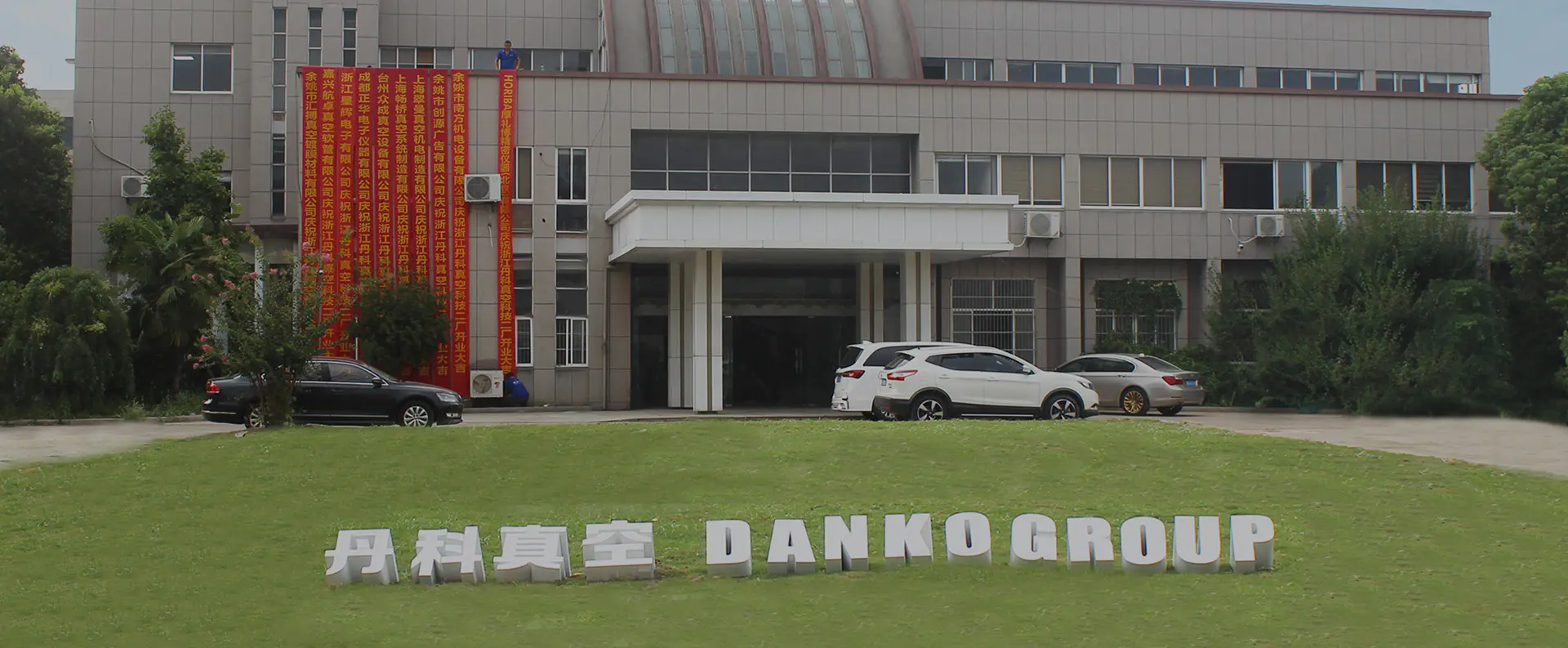
Ningbo Danko Vacuum Technology Co., Ltd. Since 2020
Founded in 2007 as previous name Huahong Vacuum Technology, is a nationwide renowned PVD vacuum coating system manufacturer and vacuum coating technology developer, including but not limited to Sputtering Systems, Optical Coating Units, Batch Metallizers, Physical Vapor Deposition (PVD) Systems, Hard and Wear Resistant Vacuum Coating Deposition Equipment, Glass, PE, PC Substrate Coaters, Roll-to-Roll Machines for coating flexible substrates. The machines are used for a wide range of applications described below (but not limited to) Automotive, Decorative, Hard coatings, Tool & Metal Cutting coatings, and thin film coating applications for industrial and Laboratories including Universities.
As China Magnetron Sputtering Vacuum Coating Machine Manufacturers and Magnetron sputtering coating machine Suppliers, Danko Vacuum Technology Co., Ltd is committed to expanding our market boundaries by providing high-quality, high-performance vacuum coating equipment. Our Company is highly focused on after-sales service in Domestic and International markets, providing accurate part processing plans and professional solutions to meet customers' needs.
As China Magnetron Sputtering Vacuum Coating Machine Manufacturers and Magnetron sputtering coating machine Suppliers, Danko Vacuum Technology Co., Ltd is committed to expanding our market boundaries by providing high-quality, high-performance vacuum coating equipment. Our Company is highly focused on after-sales service in Domestic and International markets, providing accurate part processing plans and professional solutions to meet customers' needs.

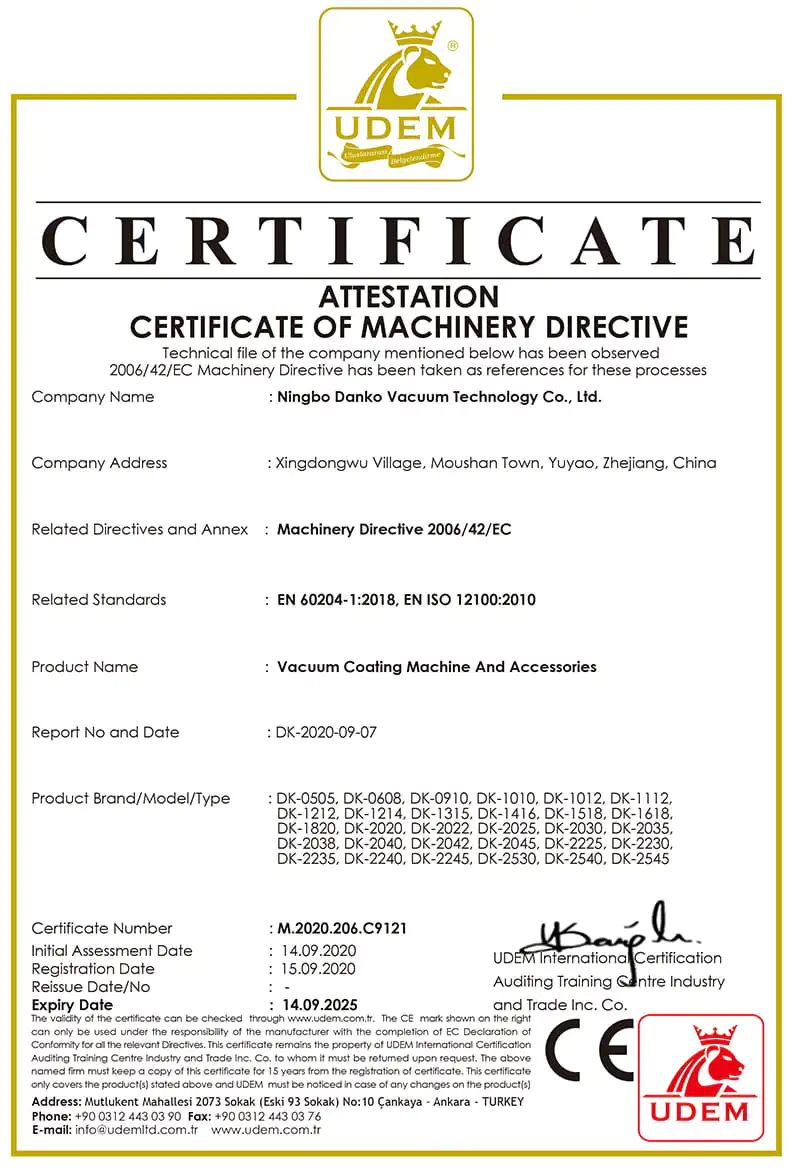
System Certification
We focus on developing high-quality products for top-end markets. As Our products are in line with international standards and are mainly exported to Europe, America, Japan and other destinations around the world.


News
-
-
The Large Area PVD Coater: Where Uniformity Meets Scale A practical, experience-led guide to chamber design, process routes, and the choices that de...
READ MORE -
PVD Coating Technology & Equipment Selection The Electron Beam Vacuum Coating Machine, Explained in Production Terms High-energy evaporation for...
READ MORE -
A cutting tool manufacturer and a maker of premium bathroom fittings may both request a plasma coating machine, yet hear descriptions so different t...
READ MORE
Message Feedback
Industry knowledge
Ningbo Danko Vacuum Technology Co., Ltd. designs and builds magnetron sputtering coating machines for decorative and functional thin films on metal, glass, ceramic, plastic and jewelry substrates. As a China magnetron sputtering coating machine manufacturer, we combine sputtering, multi-arc ion plating and evaporation routes in one engineering team of about 90 engineers and technicians, so a single system can be configured around the finish, substrate and output you need rather than around a fixed catalogue model.
Our magnetron sputtering range covers medium-frequency (MF), DC and RF sputtering deposition systems, plus dedicated dark black PVD configurations. These machines sit inside our broader decorative vacuum coating machines family and are used for door handles, watch cases, bathroom ware, tableware, glassware, phone shells, mosaic tiles, golf components and similar high-surface-quality products.
What our magnetron sputtering coating machine range includes
Each configuration is built around the target material, reactive gas chemistry and substrate handling method that the finish requires. The table below shows how the main system types are positioned in our range.
| System type | Typical coating role | Substrate and application fit |
|---|---|---|
| Medium Frequency MF Magnetron Sputtering System | Decorative metal-texture films on stainless steel sheets; strong adhesion through pulsed bias | Stainless steel sheets up to 1220 × 4000 mm; furniture, lighting, hardware, car parts |
| DC Magnetron Sputtering Deposition System | Conductive target sputtering with a DC supply and magnetic field combination | Metal parts, hardware, watch components and general decorative metallization |
| RF Magnetron Sputtering Deposition System | Radio-frequency sputtering for thin-film work where insulating targets or delicate films are involved | Glass, ceramic, plastic and specialty decorative or functional films |
| Dark Black PVD Coating Machine | Deep black decorative finishes with magnetic-field guidance and substrate rotation | High-end hardware, bathroom ware, jewelry and products requiring a consistent black tone |
Application fit and substrate considerations
Magnetron sputtering is a line-of-sight vacuum process, so surface condition and part geometry decide the fixture layout and the number of targets. We review the substrate material, pre-treatment and maximum part envelope before proposing a chamber size or target arrangement.
- Metals: carbon steel, stainless steel and brass, including door handles, locks, cutlery, watch cases and golf club heads.
- Glass and ceramics: glassware, glass lamps, artwork and mosaic tiles.
- Plastics: ABS, PC and ABS+PC phone shells and components that have been properly cleaned and, where required, base-coated.
- Jewelry and small parts: batch-loaded items that need uniform color on multiple faces.
Parts must be free of dust, oil and chemical residue before loading. For plastic and other non-conductive substrates, we confirm the pre-treatment and base-coat route during configuration so the sputtered layer adheres reliably.
Film colors, chemistries and target materials
Decorative color comes from the metal-to-gas ratio in the film and from the coating structure. Introducing nitrogen, oxygen, argon or acetylene during deposition shifts the tone, and the same chamber can produce a family of finishes by changing parameters rather than hardware.
Colors
Gold, silver, brown, black, rose gold, coffee, rainbow, blue, gun black, purple and dark blue.
Film types
TiN, CrN, ZrN, TiCN, TiCrN, TiNC, TiAlN and DLC, plus multi-functional metal and composite films.
Targets
Titanium, chromium, zirconium, iron and alloy targets in planar, cylindrical, twin and opposite configurations.
Capacity, chamber design and throughput
Chamber geometry is the first variable we fix. For sheet and panel work, our MF series uses a chamber diameter of 1800–2300 mm and a height of 3600–4400 mm, with capacity for three stainless steel sheets of 1220 × 4000 mm. Three large pumping sets keep the pump-down phase short, and 34–56 round arc targets are arranged around the chamber for even coverage.
For batch work on smaller parts, we size the fixture and rotation mechanism around the part mix and the required cycle time. Substrate rotation is used to expose all faces to the sputtered flux, which improves thickness consistency and avoids local over- or under-coating.
Controls, automation and line integration
Our systems use a touch-screen and PLC control architecture with switchable automatic and manual modes. During deposition, process parameters are continuously monitored and controlled, and the pulsed bias system on the MF series supports coating adhesion and color uniformity.
- Recipe storage for repeatable color and film thickness between batches.
- Gas flow, target power and substrate rotation setpoints held by the control system.
- Interface points for upstream cleaning and downstream inspection stations agreed at configuration stage.
- Power supplies, vacuum pumps and pump oil available as matched vacuum accessories.
Installation, utilities and operator safety
We prepare a utility schedule with each proposal covering electrical supply, cooling water, compressed air and process gases. Vacuum pumps, power supplies and cooling circuits are laid out so maintenance access remains open after the chamber is set in place.
Operator safety is addressed through guarded chamber access, controlled high-voltage supplies and documented start-up and shutdown sequences. Site requirements are confirmed against the customer's building services before shipment, and installation and commissioning are coordinated with our engineering team.
Quality assurance and acceptance
We debug and inspect each machine before shipment. Acceptance is based on agreed coating samples, color targets and film performance checks, with the inspection scope written into the order. Our products are built to international standards and are mainly exported to Europe, America, Japan and other destinations.
- Pre-shipment inspection of vacuum integrity, controls and safety interlocks.
- Sample coating runs for color, adhesion and appearance against the approved reference.
- Documentation package covering operation, maintenance and spare-part identification.
Maintenance, spares and serviceability
Daily care centres on chamber cleanliness, target condition, vacuum level, electrical connections, cooling systems and gas supply. We supply consumables and targets, and our after-sales team supports part processing plans and technical training for customer operators.
Wear parts are identified in the documentation so maintenance can be planned around production. Control-system logs and maintenance records help trace drift in color or film thickness back to a specific component.
Related systems in our coating range
Where a finish needs a different deposition route, we build the same project around another machine type. Multi-arc ion coating machines suit wear-resistant decorative layers, while thermal evaporation vacuum coating machines cover metallization where sputtering is not the best fit. Combined sputtering and evaporation configurations are also available.
Information we use to configure your solution
A proposal is prepared from the working point rather than from a standard sheet. The following inputs let us size the chamber, targets, pumps and controls correctly.
| Project input | What it determines |
|---|---|
| Substrate material and pre-treatment | Adhesion route, base-coat requirement and target chemistry |
| Part dimensions and batch load | Chamber diameter and height, fixture design and rotation method |
| Required color and film type | Target selection, reactive gas set and number of sputtering sources |
| Production target and cycle time | Pumping capacity, target power and automation level |
| Site utilities and floor space | Electrical supply, cooling water, gas supply and installation layout |
Frequently asked questions
Which substrates can your magnetron sputtering machines coat?
Glass, carbon steel, stainless steel, brass, ceramics, plastic and jewelry are all within the range. Typical products include door handles, watch cases, bathroom ware, tableware, glassware, phone shells, mosaic tiles and golf components. Parts must be clean and free of gas-releasing contamination before loading.
Can one machine produce several decorative colors?
Yes. By changing the reactive gas ratio and deposition parameters, a single system can produce gold, silver, brown, black, rose gold, coffee, rainbow, blue and other tones. Recipes are stored in the PLC control system so colors can be repeated between batches.
What is the largest sheet your MF sputtering system can handle?
The MF series uses a chamber with a diameter of 1800–2300 mm and a height of 3600–4400 mm, and can coat three stainless steel sheets of 1220 × 4000 mm per cycle. Other chamber sizes are configured around the part envelope and batch load.
How is the machine controlled and integrated into a production line?
Control is through a touch screen and PLC with automatic and manual modes. Process parameters are monitored continuously, and interface points for upstream cleaning and downstream inspection are agreed during configuration. Vacuum pumps, power supplies and targets are supplied as matched accessories.
What support is provided after installation?
Our after-sales team supports part processing plans, technical training and spare-part identification. Maintenance guidance covers chamber cleaning, target inspection, vacuum checks, cooling systems and gas supply, and consumables and targets remain available through our vacuum accessories range.

Quick Link
Detailed information
 Tel: +86-13486478562
 FAX: +86-574-62496601
 Email: [email protected]
 Address: No. 79 West Jinniu Road, Yuyao, Ningbo City, Zhejiang Provice, China
Copyright © Ningbo Danko Vacuum Technology Co., Ltd. All Rights Reserved.
 OEM/ODM Magnetron Sputtering Vacuum Coating Machine Suppliers