
 Email:
 Tel:+86-13486478562

 Language
 Español
 Português
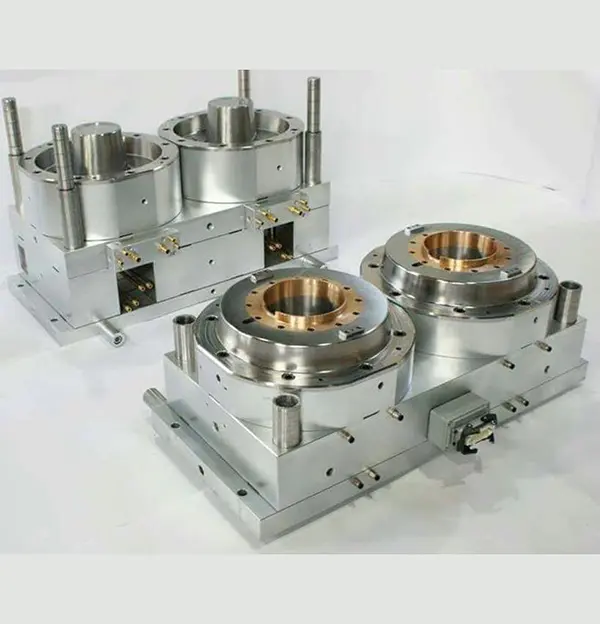
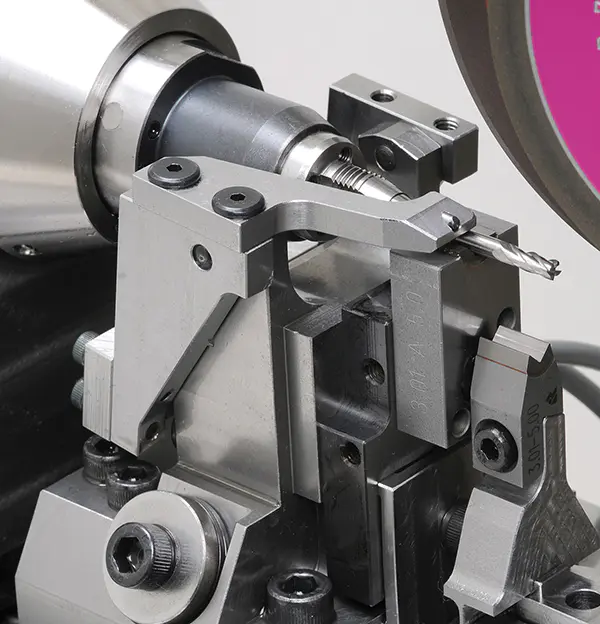
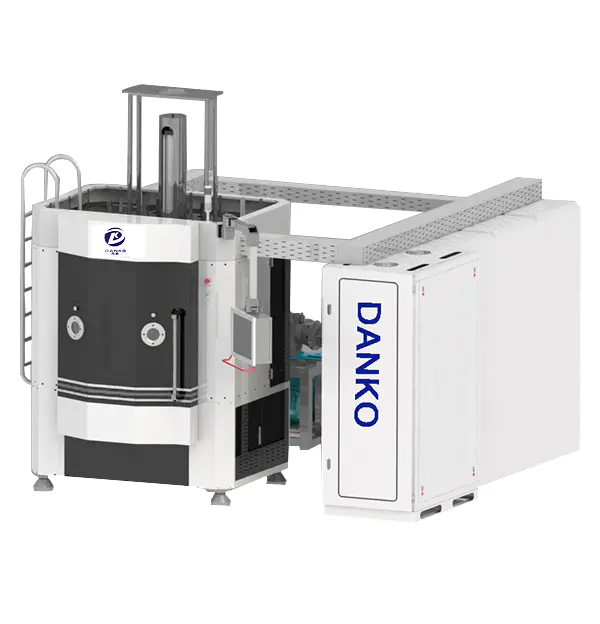
Surface engineering / Architectural hardware Door Handle PVD Coating Machine: Beauty That Survives the Hand A door handle is touched dozens of times...
READ MOREAutomotive coating machines Manufacturers
-
-
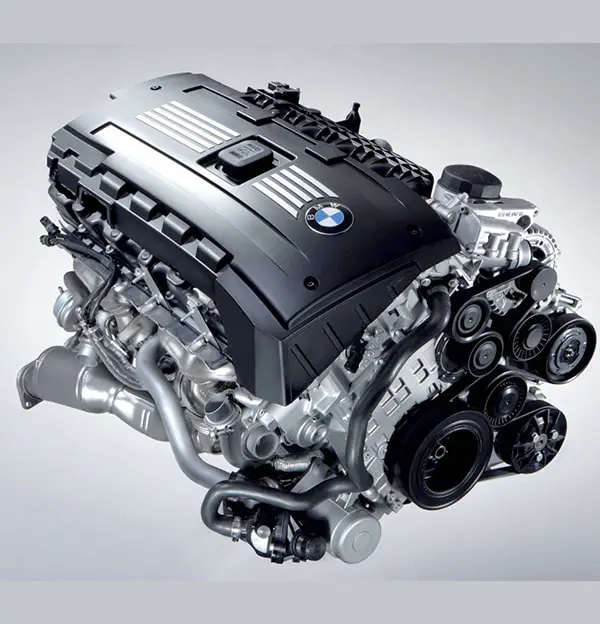
Automotive special coating machine
Cars drive in various complex environments and are easily corroded by rain, salt, oil and other substances. The Automotive Function Coating Machine can form a dense protective layer on the surface ...
-
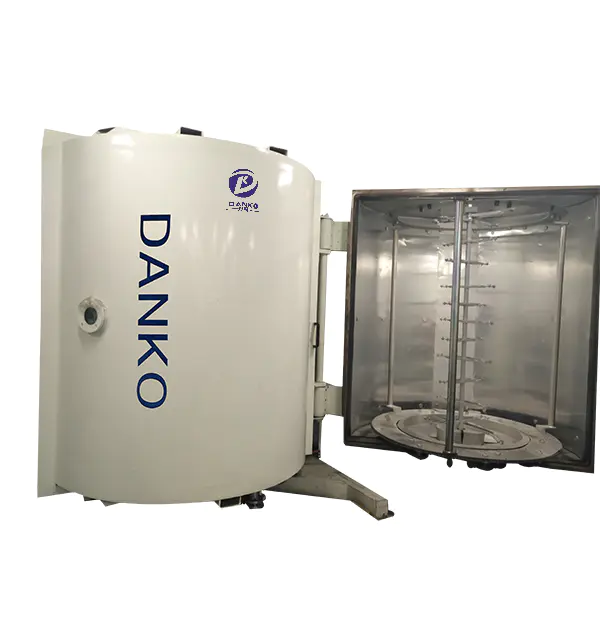
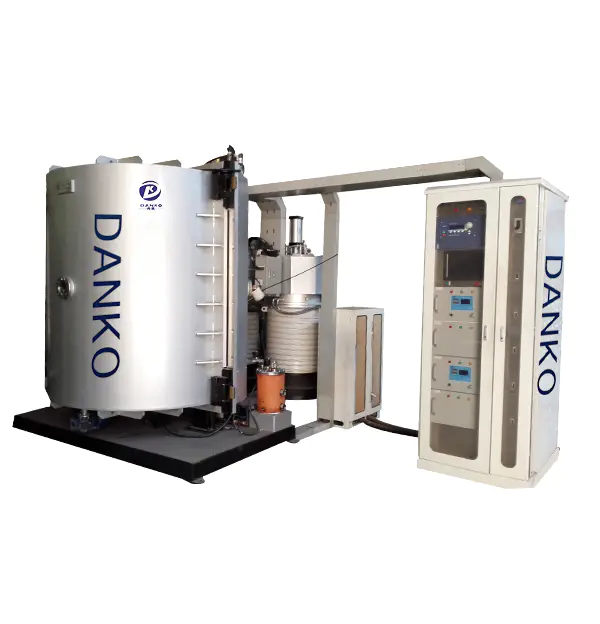
Automotive Light Special Metallization Coating Machine
Car lights special coating machine includes horizontal and vertical structures according to chamber type. The main functions of this machine are high-voltage ion bombardment and finishing aluminum ...
-

-

Car Head Lamps and Rear Lamps Vacuum Coating Machine
Before using the Car Head Lamps And Rear Lamps Vacuum Coating Machine, you must ensure that the equipment is in good working condition, which includes checking whether key components such as the va...
The automotive industry as a whole is being driven to manufacture automobiles in a much more cost effective manner. Many parts have been made from metals, which are electroplated with chrome. Eco-friendly vacuum metallization produces no VOCs and is an extremely clean process, which allows manufacturers to replace costly metal parts with less expensive, light weight solutions, which are coated with a thin film of a desired metal. Thin film vacuum metallization technology is enabling manufacturers to produce more cost effective vehicle components.
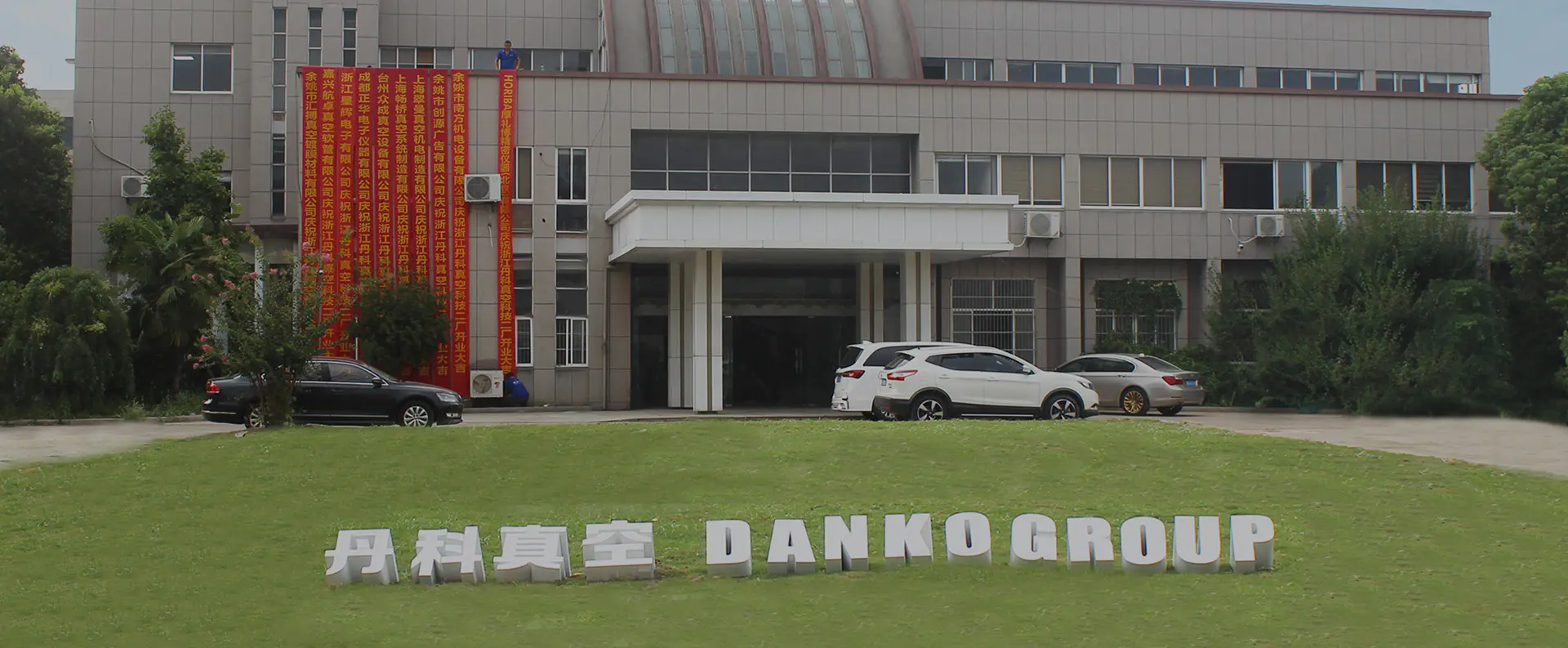
Ningbo Danko Vacuum Technology Co., Ltd. Since 2020
Founded in 2007 as previous name Huahong Vacuum Technology, is a nationwide renowned PVD vacuum coating system manufacturer and vacuum coating technology developer, including but not limited to Sputtering Systems, Optical Coating Units, Batch Metallizers, Physical Vapor Deposition (PVD) Systems, Hard and Wear Resistant Vacuum Coating Deposition Equipment, Glass, PE, PC Substrate Coaters, Roll-to-Roll Machines for coating flexible substrates. The machines are used for a wide range of applications described below (but not limited to) Automotive, Decorative, Hard coatings, Tool & Metal Cutting coatings, and thin film coating applications for industrial and Laboratories including Universities.
As China Automotive coating machines Manufacturers and Automotive coating machines Factory, Danko Vacuum Technology Co., Ltd is committed to expanding our market boundaries by providing high-quality, high-performance vacuum coating equipment. Our Company is highly focused on after-sales service in Domestic and International markets, providing accurate part processing plans and professional solutions to meet customers' needs.
As China Automotive coating machines Manufacturers and Automotive coating machines Factory, Danko Vacuum Technology Co., Ltd is committed to expanding our market boundaries by providing high-quality, high-performance vacuum coating equipment. Our Company is highly focused on after-sales service in Domestic and International markets, providing accurate part processing plans and professional solutions to meet customers' needs.

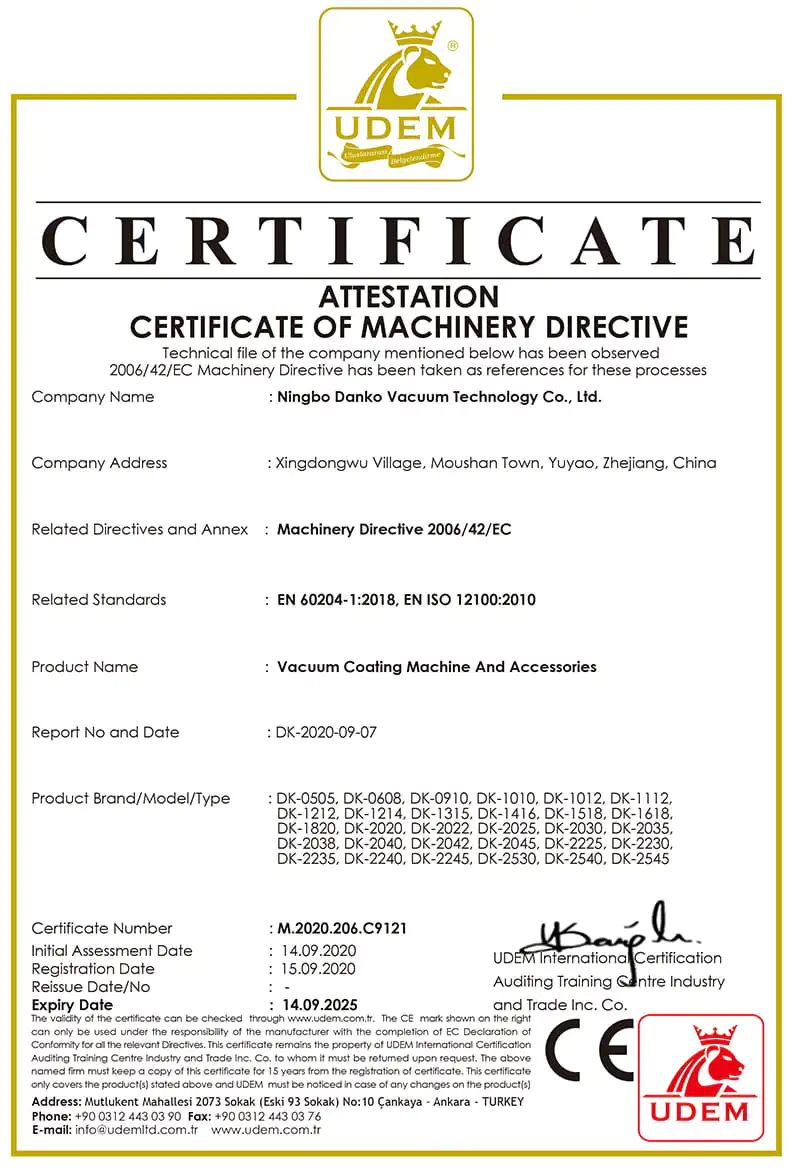
System Certification
We focus on developing high-quality products for top-end markets. As Our products are in line with international standards and are mainly exported to Europe, America, Japan and other destinations around the world.


News
-
-
The Large Area PVD Coater: Where Uniformity Meets Scale A practical, experience-led guide to chamber design, process routes, and the choices that de...
READ MORE -
PVD Coating Technology & Equipment Selection The Electron Beam Vacuum Coating Machine, Explained in Production Terms High-energy evaporation for...
READ MORE -
A cutting tool manufacturer and a maker of premium bathroom fittings may both request a plasma coating machine, yet hear descriptions so different t...
READ MORE
Message Feedback
Industry knowledge
Ningbo Danko Vacuum Technology Co., Ltd. designs and builds Automotive coating machines for tier suppliers and automotive component plants that need a repeatable PVD finish on lights, trim, badges, wheels and functional parts. Our range covers three application-focused machine families: special coating machines for auto parts, automotive lights metallization coating machines and automotive decorative parts coating machines. Each is configured around the substrate, the required film stack and the production target rather than sold as a fixed catalogue box.
We have built vacuum coating systems since 2007 under our previous name Huahong Vacuum Technology, and today our engineering and technician team works under one roof on coating development, equipment manufacturing, system delivery and after-sales support. Machines are exported to Europe, America, Japan and other markets, and our production is aligned with international standards for customers supplying premium vehicle programmes.
Our Automotive Coating Machine Range
The three families below share our vacuum platform, pumping philosophy and control architecture, but differ in chamber geometry, fixture design and deposition source. That lets us match the machine to the part rather than force the part into a single process.
Special coating machine for auto parts
Functional PVD for engine parts, wear surfaces and components exposed to rain, salt, oil and heat. Dense protective layers improve corrosion and wear resistance while keeping the part lightweight.
Automotive lights metallization coating machine
Reflector and lamp metallization for headlamps and rear lamps, using high-voltage ion bombardment and aluminium finishing. Horizontal and vertical chamber structures are available to suit lamp shape and line layout.
Automotive decorative parts coating machine
Chrome-effect and coloured PVD on plastic and metal trim, badges, nameplates and wheels. The finish adds colour and shine while improving wear and corrosion resistance, and replaces electroplating on suitable substrates.
Where Each Machine Fits
| Machine family | Typical parts | Process focus | Substrate notes |
|---|---|---|---|
| Special coating machine for auto parts | Engine parts, transmission components, wear surfaces | Hard, wear-resistant and corrosion-resistant films | Steel, carbide, plated alloys; heat resistance above 70 °C |
| Automotive lights metallization coating machine | Headlamp reflectors, rear lamp reflectors, lamp housings | Ion bombardment plus aluminium metallization | BMC, PC, PP and plated plastics prepared for vacuum |
| Automotive decorative parts coating machine | Grilles, badges, nameplates, interior trim, wheels | Chrome-effect, coloured and metallic decorative films | ABS, PC/ABS, PVC, nylon, glass, ceramics, plated metal |
Substrate and Process Fit
PVD arc and sputtering processes need a substrate that can tolerate vacuum, heat and ion bombardment. In practice we work with stainless steel, carbide and high-speed steel, plated zinc, copper and aluminium alloys, engineering plastics such as ABS, PC, ABS+PC, PVC and nylon, plus glass and ceramics. Flexible substrates including polyester film, PC, paper and steel strip are handled on roll-to-roll platforms where the part format suits continuous coating.
- Electrical conductivity: required for arc ion coating; non-conductive plastics are normally plated or primed first.
- Heat resistance: substrates should withstand at least 70 °C during the cycle.
- Outgassing: parts must be dry and free of volatiles that would disturb vacuum or film adhesion.
- Surface preparation: cleaning, masking and racking determine coating quality as much as the machine does.
Configuration Choices We Discuss With Your Project Team
Chamber size, fixture layout and source type are selected from the part envelope and the required throughput. For lamp metallization we offer horizontal and vertical chamber structures; the choice depends on reflector geometry, how parts hang or sit on the fixture, and how the machine will connect to your existing loading and unloading flow.
Deposition source
Arc ion, magnetron sputtering, thermal evaporation or a combined source route, chosen for film colour, density and adhesion.
Fixtures and jigs
Planetary, rotating or static racks designed around part weight, masking and the number of pieces per cycle.
Controls and automation
Recipe-driven control with preset process parameters, data logging and interfaces for line integration where the project requires it.
Utilities and installation
Power, cooling water, compressed air and clean-room or paint-shop environment are reviewed before shipment so the machine fits the building.
Engineering and Quality Approach
Our team of about 90 engineers and technicians covers coating development, mechanical and vacuum design, electrical controls and after-sales service. Machines are assembled, debugged and inspected before shipment, and process recipes are proven on sample parts where the project supplies them. We develop and produce equipment from customer drawings or samples, which is how most automotive programmes start with us.
Acceptance is handled around agreed sample criteria: film appearance, adhesion, colour and any functional requirement the part carries. We document the agreed process route and provide operator and maintenance training so the machine can be run consistently after handover. Spare parts, vacuum pumps, power supplies, pump oil and targets are available through our vacuum accessories range, which keeps consumables and critical spares on a single supply path.
Related Coating Platforms
Some automotive projects cross into our other machine families. Wear parts and tooling used in automotive manufacturing can be coated on our hard/tribological coating machine range, including DLC and hardness film systems. Interior and exterior decorative components that are not automotive-specific are covered by our decorative vacuum coating machines. Sharing a platform across these families simplifies spares, training and service for plants running more than one product line.
Information We Use to Configure Your Solution
A useful proposal starts from the part and the production target, not from a model number. The checklist below is what our engineers review with your project team before we specify chamber size, source configuration and fixture design.
- Part data: drawings or samples, substrate material, dimensions, weight and masking areas.
- Film requirement: target colour or finish, film thickness range, adhesion and any functional test criteria.
- Production target: parts per cycle, cycle time expectation, shifts per day and annual volume.
- Line context: loading and unloading method, upstream and downstream processes, available floor space and ceiling height.
- Utilities: power supply, cooling water, compressed air and environmental conditions at the installation site.
- Acceptance: sample approval route, documentation language and training requirements.
Frequently Asked Questions
Can your automotive coating machines replace chrome electroplating on plastic trim?
Yes, for suitable substrates. Vacuum metallization produces no VOCs and lets manufacturers replace heavier plated metal parts with lighter plastic components carrying a thin metal film. The part must be clean, dry and able to tolerate vacuum and the process temperature, and the decorative layer is usually protected by a top coat applied after coating.
What is the difference between the lights metallization machine and the decorative parts machine?
The lights machine is built around reflector geometry and aluminium metallization, with high-voltage ion bombardment to prepare the surface before deposition. The decorative parts machine is configured for appearance-driven films on trim, badges and wheels, where colour consistency and wear resistance are the main criteria. Chamber shape, fixturing and source selection follow from that difference.
Which substrates can be coated on your automotive machines?
We work with stainless steel, carbide and high-speed steel, plated zinc, copper and aluminium alloys, ABS, PC, ABS+PC, PVC, nylon, glass and ceramics. Flexible materials such as polyester film, PC, paper and steel strip are handled on roll-to-roll platforms. Conductive substrates are required for arc ion coating, and all parts should be heat resistant above 70 °C and free of outgassing.
How do you support installation and after-sales service outside China?
Our after-sales team supports domestic and international customers with part processing plans, technical training and spare parts supply. Machines are debugged and inspected before shipment, and we agree the acceptance route and documentation with your project team during configuration. Consumables and critical spares are available through our vacuum accessories range.
Can you build a machine around our sample parts and drawings?
Yes. We develop and produce equipment from customer drawings or samples, and our engineering team reviews the part envelope, film requirement and production target before proposing chamber size, fixtures and deposition source. Sending representative parts early shortens the path from enquiry to a proven process recipe.

Quick Link
Detailed information
 Tel: +86-13486478562
 FAX: +86-574-62496601
 Email: [email protected]
 Address: No. 79 West Jinniu Road, Yuyao, Ningbo City, Zhejiang Provice, China
Copyright © Ningbo Danko Vacuum Technology Co., Ltd. All Rights Reserved.
 Custom Automotive coating machines Manufacturers