Product Consultation
Your email address will not be published. Required fields are marked *

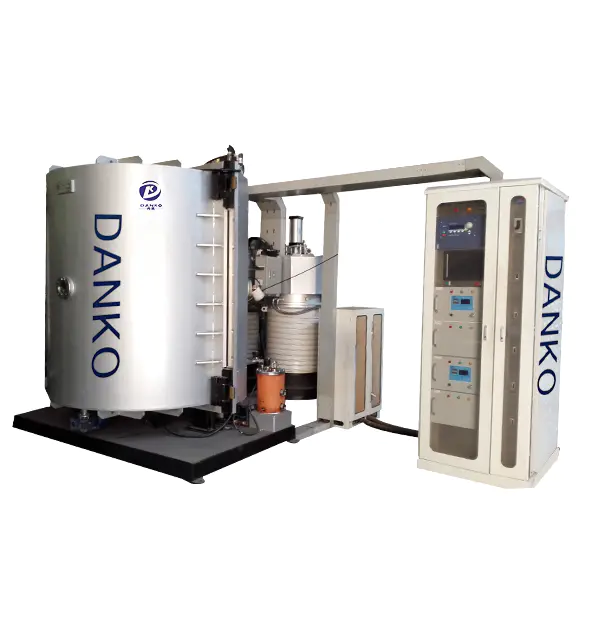
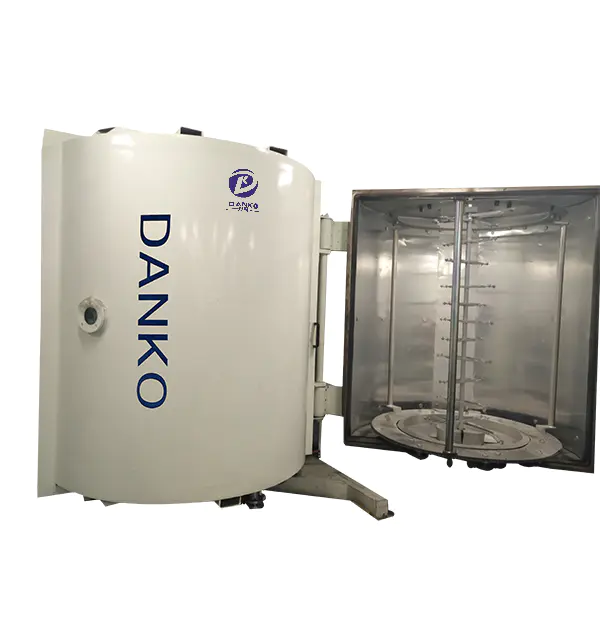
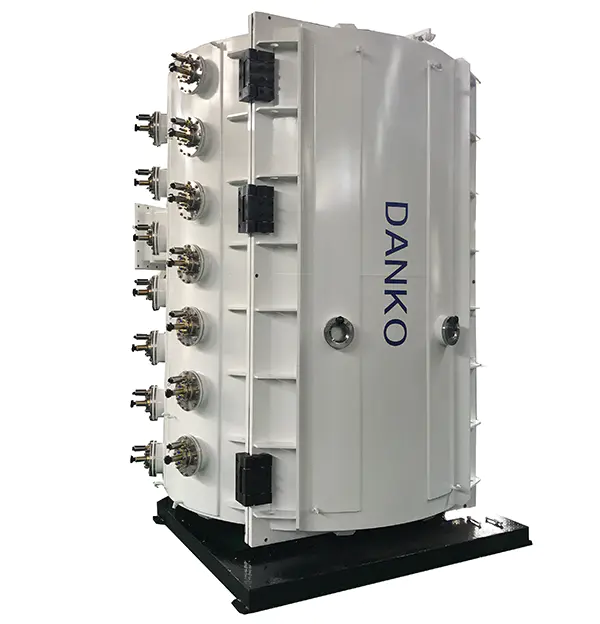
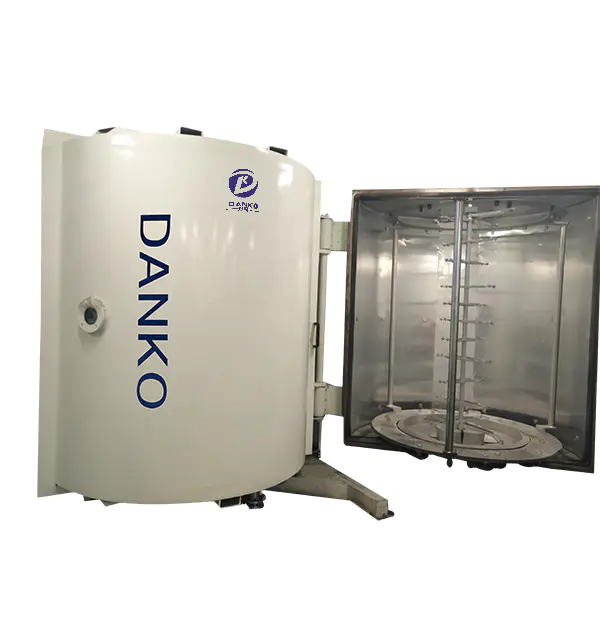
A high-performance Moulds coating machine relies heavily on advanced motion control systems and multi-axis positioning to achieve uniform coating thickness on complex mould geometries. These systems typically include servo-driven rotary tables, linear slides, and robotic arms capable of synchronized movement across multiple axes. By continuously rotating, tilting, and repositioning the mould during the coating process, the machine ensures that every surface remains optimally exposed to the coating source. This is especially critical for moulds with undercuts, internal corners, deep cavities, or irregular contours. The precise coordination of motion prevents shadowing effects, where certain areas receive insufficient coating due to blocked line-of-sight. Programmable motion paths allow the Moulds coating machine to maintain consistent coating angles and distances, which directly impacts thickness uniformity and adhesion quality across all mould surfaces.
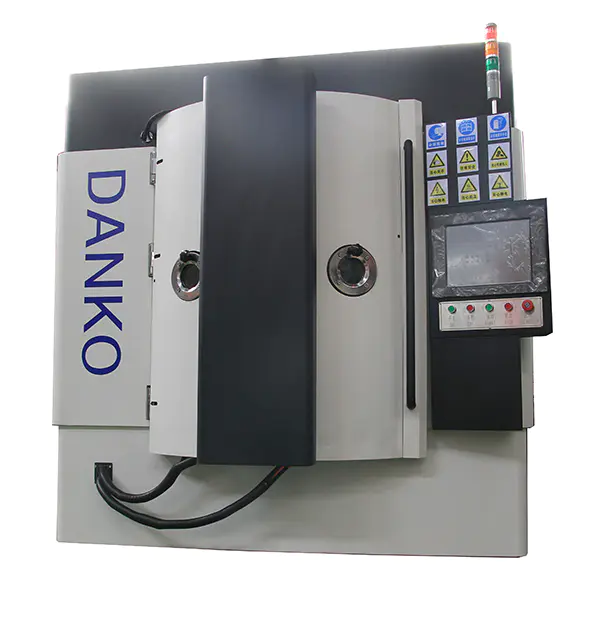
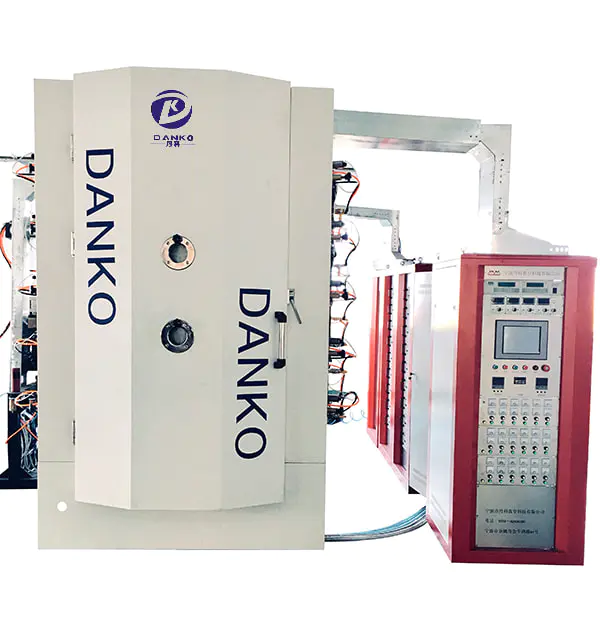
The Moulds coating machine achieves consistent coating thickness through precise and repeatable control of deposition parameters such as material flow rate, spray pressure, atomization level, nozzle distance, and application speed. These parameters are digitally managed through an integrated control system, ensuring stable process conditions throughout the coating cycle. Even small variations in pressure or flow can lead to uneven coating, particularly in deep cavities or narrow features. To address this, the machine continuously maintains optimal parameter values based on predefined recipes or real-time feedback. Advanced machines also allow parameter zoning, meaning different areas of the mould can receive customized settings depending on their geometry. This level of precision ensures uniform material buildup, minimizes overspray, reduces waste, and guarantees consistent coating thickness across both exposed and hard-to-reach mould areas.
A modern Moulds coating machine incorporates closed-loop feedback systems that continuously monitor coating thickness during application. These systems utilize advanced measurement technologies such as laser sensors, optical scanners, or interferometric devices to assess coating buildup in real time. The measured data is immediately sent back to the machine’s control unit, which dynamically adjusts coating parameters such as spray duration, movement speed, or material output. This real-time correction capability is essential when coating complex mould geometries, as different surfaces may naturally accumulate material at different rates. Without closed-loop control, thickness variations could go unnoticed until post-process inspection. By actively compensating for deviations during the process, the Moulds coating machine ensures consistent thickness, reduces rejection rates, and significantly improves overall coating quality and process reliability.
The use of multi-nozzle systems and programmable spray paths is a key feature that enables the Moulds coating machine to coat complex geometries uniformly. Multiple independently controlled nozzles allow the machine to target specific areas of the mould, such as deep cavities, narrow grooves, or fine details, without over-coating more accessible surfaces. Programmable spray paths are generated based on mould geometry data and process requirements, ensuring that each nozzle follows a precise and repeatable trajectory. This approach ensures balanced material distribution and prevents thickness buildup in flat areas while compensating for challenging regions. The ability to control nozzle activation timing, overlap, and dwell time allows the Moulds coating machine to adapt to varying mould designs, resulting in consistent coating thickness across even the most intricate mould features.
The controlled process environment plays a crucial role in how a Moulds coating machine ensures consistent coating thickness, especially in deep cavities and complex geometries. Depending on the coating technology, the machine may operate under vacuum conditions, controlled atmospheric pressure, or precisely regulated temperature zones. Vacuum environments reduce particle scattering and improve coating directionality, allowing material to reach recessed areas more effectively. Thermal regulation ensures that the coating material flows, bonds, and cures uniformly across the entire mould surface. Stable environmental conditions eliminate fluctuations that could otherwise cause uneven deposition or adhesion failures. By maintaining consistent temperature, pressure, and humidity levels, the Moulds coating machine creates optimal coating conditions, resulting in uniform thickness, enhanced surface performance, and improved durability of the coated mould.
Your email address will not be published. Required fields are marked *
Tel: +86-13486478562
FAX: +86-574-62496601
Email: [email protected]
Address: No. 79 West Jinniu Road, Yuyao, Ningbo City, Zhejiang Provice, China

OEM/ODM PVD Coater Manufacturers