Product Consultation
Your email address will not be published. Required fields are marked *

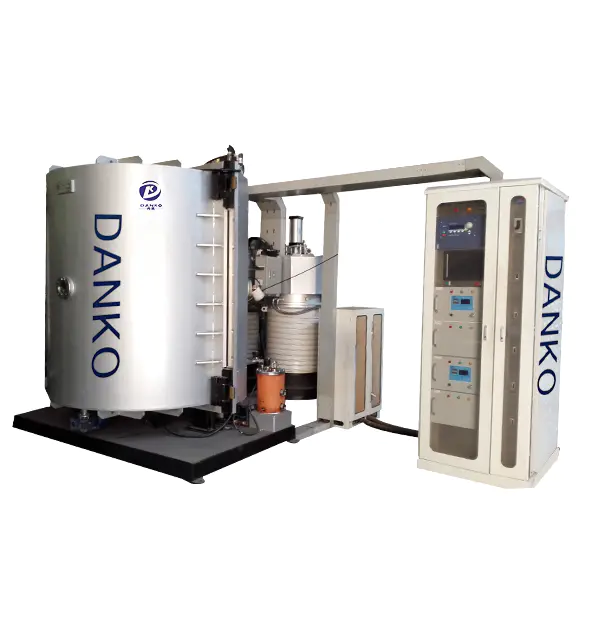
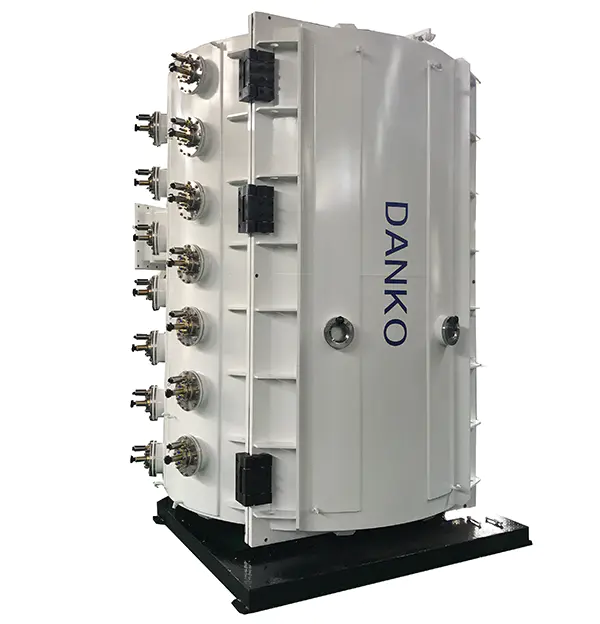
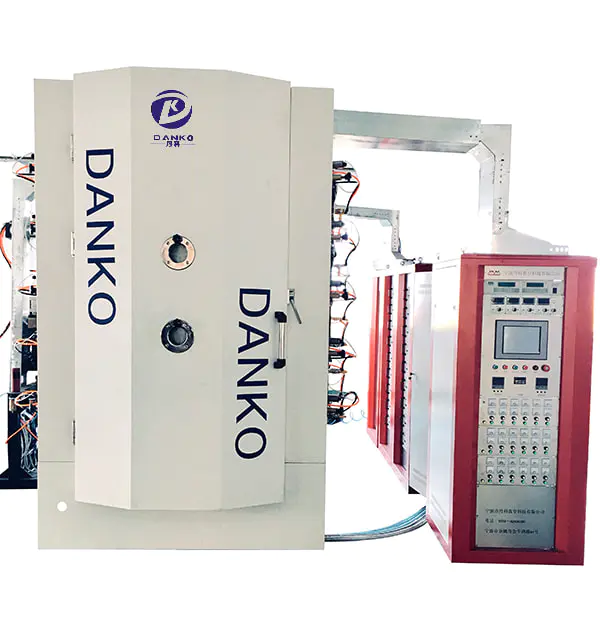
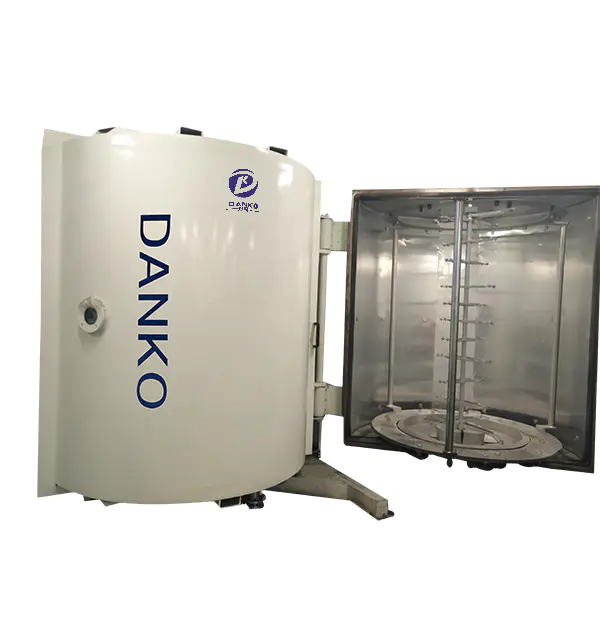
Power requirements of vacuum pumps and chamber systems: In a Vacuum Coating Machine, the vacuum generation system is typically the single largest consumer of electrical energy. This system often includes roughing pumps for initial evacuation and high-vacuum pumps—such as turbomolecular, diffusion, or cryogenic pumps—to achieve the ultra-high vacuum conditions required for precise coating deposition. The energy consumed depends on multiple factors, including chamber volume, target vacuum level, pump type, and process duration. High-vacuum pumps must maintain a continuous pressure differential to avoid backflow and contamination, consuming significant energy during extended deposition cycles. Optimizing energy efficiency begins with staged pump operation, where roughing pumps bring the chamber down to an intermediate vacuum before high-vacuum pumps engage, reducing unnecessary continuous operation. Furthermore, modern vacuum pumps with variable frequency drives or energy-efficient motor designs can dynamically adjust power consumption to match vacuum demand, minimizing energy waste. Regular preventive maintenance—such as lubrication, seal inspection, and vibration analysis—ensures that pumps operate at peak efficiency, reducing frictional losses and preventing overconsumption due to leakage or wear.
Heating and thermal management of substrates and deposition sources: Thermal energy represents a substantial portion of the overall power consumption in a Vacuum Coating Machine, particularly for processes like Physical Vapor Deposition (PVD) and Chemical Vapor Deposition (CVD) that require substrates and targets to reach elevated temperatures for adhesion, crystallinity, or chemical reactions. Continuous heating without precise control can lead to excessive energy use and thermal stress on the components. To optimize efficiency, advanced machines use PID-controlled heaters with rapid response, thermal insulation of substrates and chamber walls, and pre-programmed ramping schedules that only deliver heat as needed. By limiting heat exposure to active deposition zones and avoiding prolonged idle heating, the system reduces wasted energy while maintaining coating quality. Insulating high-temperature components and using reflective or low-thermal-conductivity materials in chamber construction further conserves energy by preventing heat loss to the surrounding environment.
Deposition source power consumption: The energy consumed by the deposition sources—including magnetrons in sputtering, electron beams, thermal evaporation sources, or arc deposition units—is another critical factor. These sources require precise voltage and current to vaporize coating material at controlled rates. Prolonged operation or excessive power settings increase energy demand and may not improve coating quality. Energy efficiency can be optimized by fine-tuning deposition parameters such as current density, pulse frequency, or duty cycles, using pulsed power techniques to deliver energy only when required, and ensuring proper source-to-substrate alignment to maximize material utilization. Effective source power management not only reduces energy consumption but also prolongs the life of the target materials and reduces maintenance costs.
Auxiliary system energy usage: Supporting systems in a Vacuum Coating Machine—such as water cooling circuits, gas flow controllers, ionization units, and chamber lighting—also contribute to overall energy consumption. Inefficient pumps or continuously running cooling systems can consume unnecessary energy, especially when the main deposition process is idle. Optimizing auxiliary energy usage involves using energy-efficient water pumps with variable frequency drives, precise regulation of process gases to avoid over-supply, and scheduled operation of lighting or sensors only when required. Modern machines may integrate smart control systems that synchronize auxiliary systems with deposition cycles, reducing standby energy consumption while maintaining process readiness.
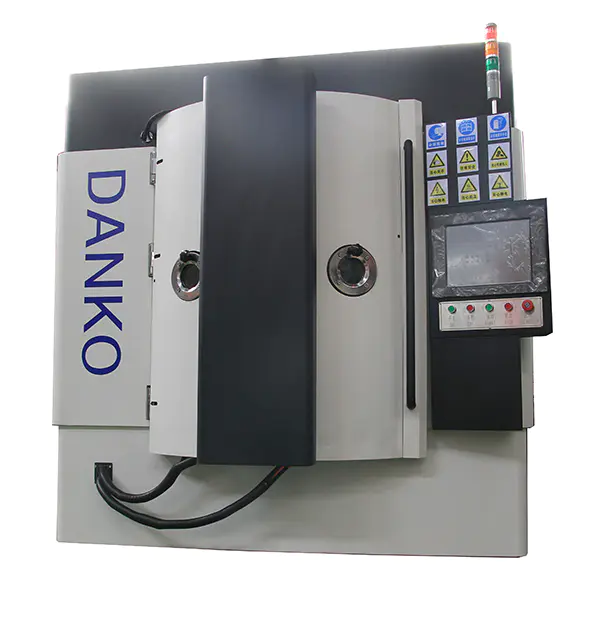
Process cycle optimization: The total energy consumption of a Vacuum Coating Machine is highly dependent on operational workflow and cycle efficiency. Idle time, unnecessary pre-evacuation, or extended dwell periods between substrate loading can significantly increase energy usage. Optimizing the process cycle involves planning batch operations to minimize idle time, sequencing substrates to reduce pump-down and warm-up periods, and coordinating pump and source operation to match deposition activity. Advanced control software can schedule sequences automatically, ensuring that vacuum pumps, heaters, and deposition sources operate only when required, leading to measurable reductions in energy consumption over the course of production.
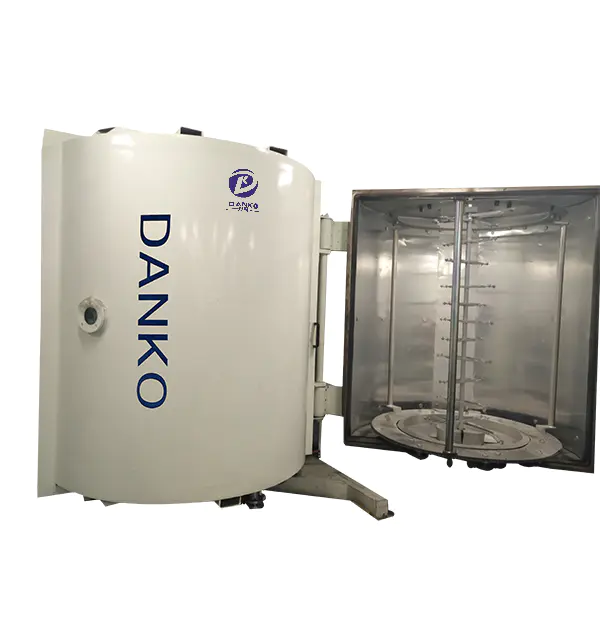
System insulation and leakage minimization: Energy efficiency in a Vacuum Coating Machine is directly affected by the integrity of the vacuum system. Leaks, poorly sealed flanges, or inadequate insulation force pumps to operate longer and harder to maintain target vacuum levels, significantly increasing power consumption. High-quality O-rings, precision-machined seals, and well-maintained gaskets prevent air ingress and improve thermal retention. Insulating chamber walls and heated components reduces heat loss, lowering energy demand for both vacuum stability and thermal management. By ensuring the system remains thermally and mechanically sealed, operators can maintain high process efficiency while conserving energy.
Your email address will not be published. Required fields are marked *
Tel: +86-13486478562
FAX: +86-574-62496601
Email: [email protected]
Address: No. 79 West Jinniu Road, Yuyao, Ningbo City, Zhejiang Provice, China

OEM/ODM PVD Coater Manufacturers