Product Consultation
Your email address will not be published. Required fields are marked *

Cathode Design and Target Erosion Management
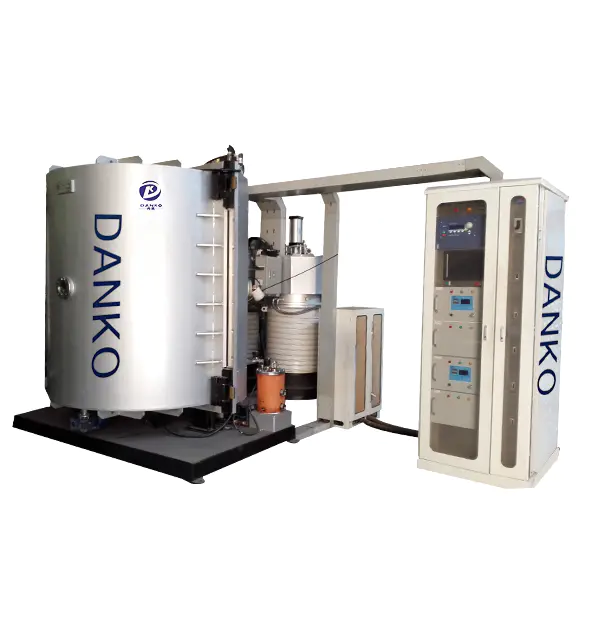
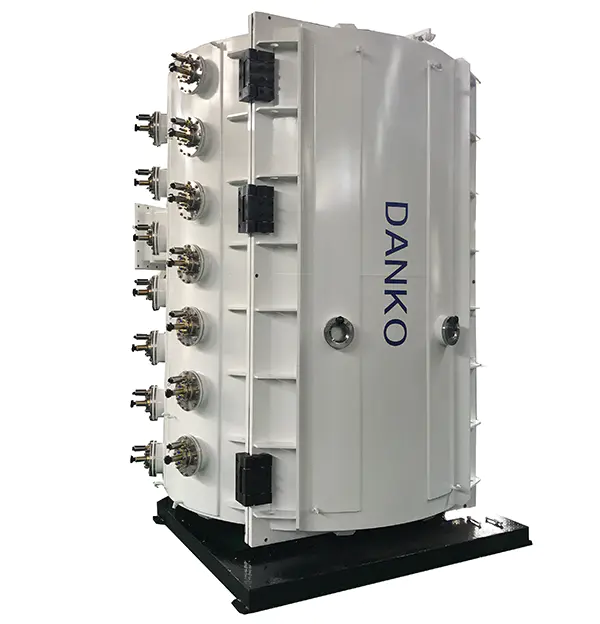
The Multi-arc Ion Coating Machine relies on multiple cathode targets to generate high-energy electric arcs that vaporize coating material, producing a plasma of metal ions that condense onto the substrate. The arrangement, number, and geometry of these cathodes are strategically designed to maximize coverage of the substrate surface while minimizing uneven deposition. Each cathode undergoes controlled erosion during the coating process, which, if unmanaged, can cause localized variations in deposition rate. Advanced machines incorporate segmented or rotatable cathodes, arc steering systems, or magnetic confinement to regulate erosion patterns, ensuring a uniform flux of vaporized material across all areas of the substrate. By precisely controlling the location, intensity, and duration of each arc, the machine maintains a consistent deposition rate, which is critical for producing films with uniform thickness, especially on complex or contoured surfaces.
Substrate Motion and Orientation
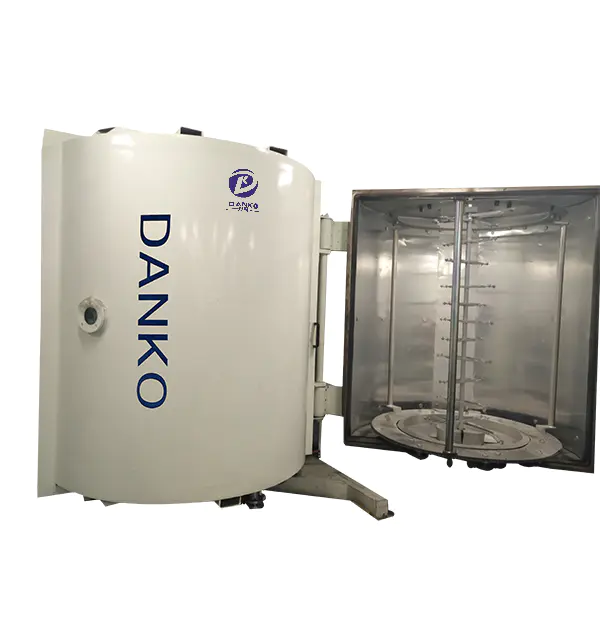
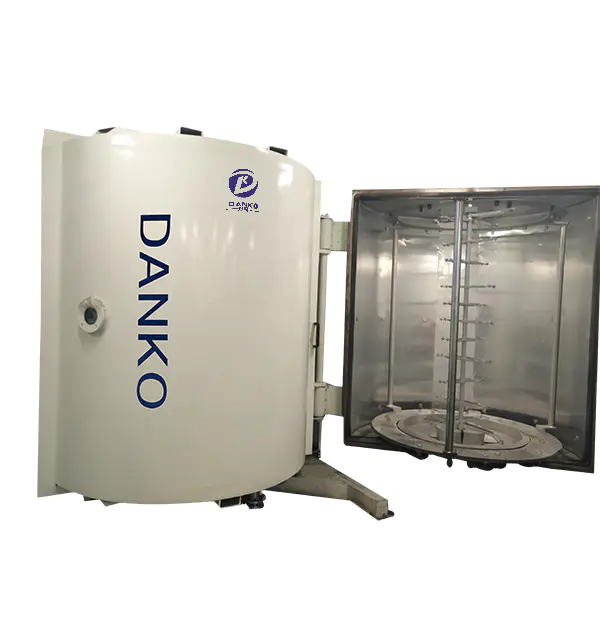
Uniform coatings on complex geometries are heavily dependent on substrate motion. The Multi-arc Ion Coating Machine typically employs rotating planetary holders, tilting or oscillating mounts, and multi-axis motion systems to continuously change the orientation of the substrate relative to the cathode flux. This dynamic motion ensures that all surfaces—including recessed cavities, undercuts, edges, and corners—receive sufficient exposure to the vaporized material, effectively eliminating shadowing effects that can cause thin or uneven film areas. Motion parameters such as rotation speed, tilt angle, dwell time, and sequence of motion are carefully programmed according to the substrate’s size, shape, and the number of cathodes. For highly intricate components, multi-axis motion synchronized with cathode operation ensures that even the most challenging geometries are uniformly coated.
Process Parameter Optimization
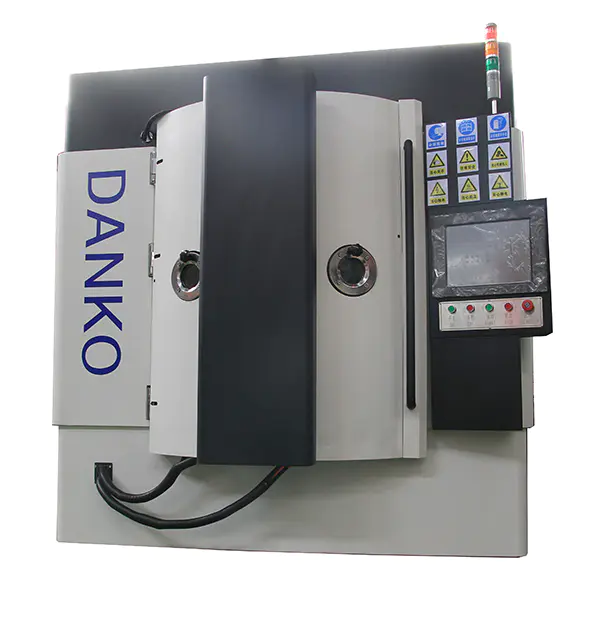
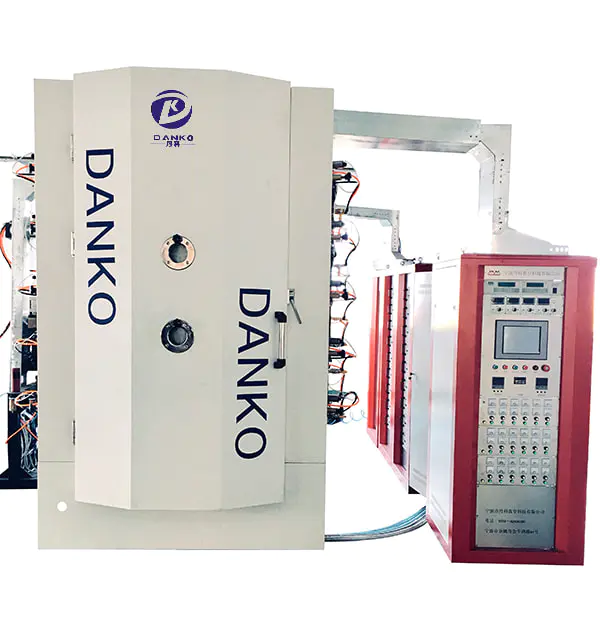
The deposition rate and film uniformity are directly influenced by key process parameters including arc current, arc voltage, pulse duration, and chamber pressure. High arc currents increase the material vaporization rate, while voltage adjustments control the kinetic energy of the evaporated ions, affecting their trajectory and adhesion to the substrate. Chamber pressure, typically maintained at high vacuum levels, influences mean free path lengths of ions and reduces collisions that can produce unwanted macroparticles or non-uniform deposition. In reactive coating processes, precise control of gas flow and composition is also critical to maintain stoichiometry and film consistency. Modern machines are equipped with computerized control systems that monitor these parameters in real time, adjusting them dynamically to compensate for fluctuations caused by cathode wear, substrate position, or plasma instability.
Plasma and Vapor Flux Management
To achieve consistent thickness across complex geometries, the Multi-arc Ion Coating Machine uses plasma confinement techniques, magnetic steering, and shielding baffles to guide the vaporized material toward the substrate evenly. These features prevent clustering of material and minimize the generation of macroparticles, which can create surface defects or localized thick spots. Flux management ensures that the deposition is uniform across flat areas, edges, and intricate features, providing both functional and aesthetic consistency. For multi-layer or graded coatings, precise plasma control allows for accurate interfaces between layers, critical for mechanical properties such as hardness, wear resistance, or thermal stability.
Real-Time Monitoring and Feedback Systems
Advanced Multi-arc Ion Coating Machines incorporate in-situ monitoring tools such as quartz crystal microbalances, optical emission sensors, or laser-based thickness measurement systems. These sensors track deposition rate and film thickness across the substrate during the coating process. Data from these systems is fed into the machine’s control software, enabling real-time adjustments of cathode power, substrate motion, or gas flow to maintain uniform coating deposition. This feedback loop allows operators to detect and correct deviations instantly, ensuring high repeatability and precision, particularly when coating multiple substrates or complex geometries in high-volume production environments.
Your email address will not be published. Required fields are marked *
Tel: +86-13486478562
FAX: +86-574-62496601
Email: [email protected]
Address: No. 79 West Jinniu Road, Yuyao, Ningbo City, Zhejiang Provice, China

OEM/ODM PVD Coater Manufacturers