Product Consultation
Your email address will not be published. Required fields are marked *

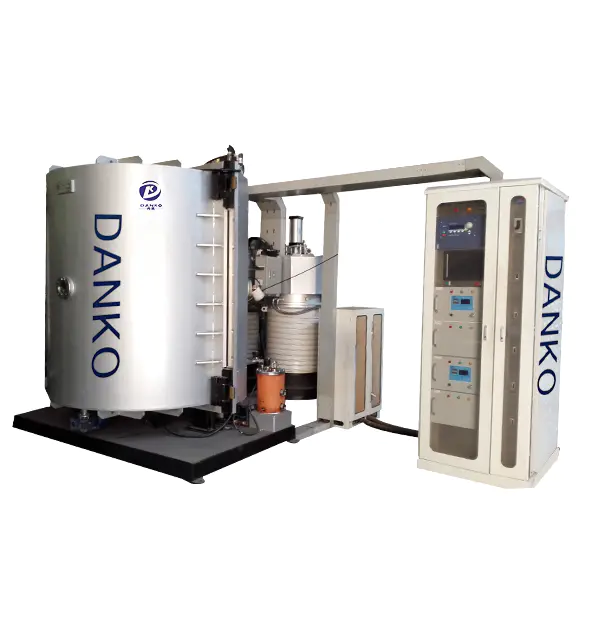
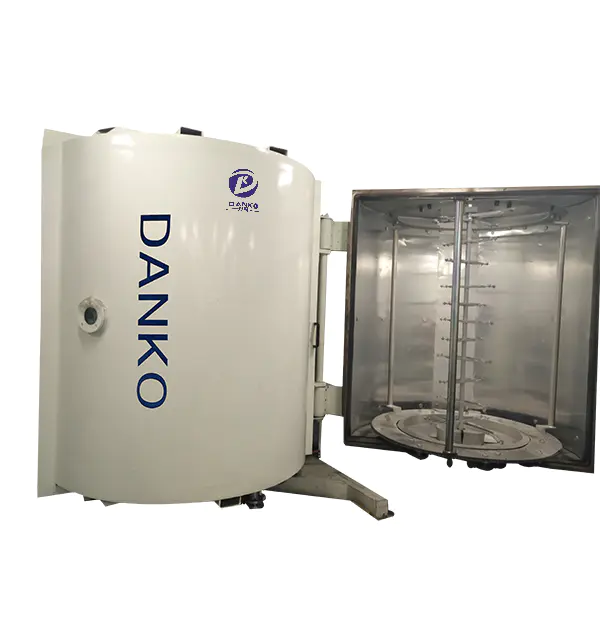
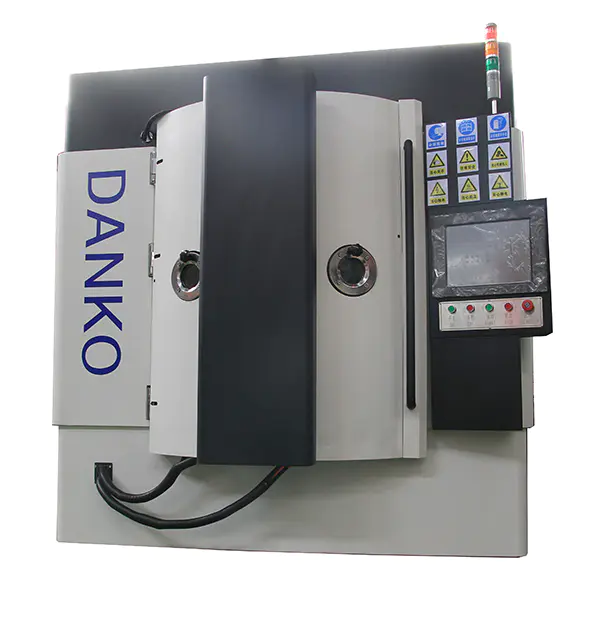
Typical medical instrument coating machine is considered moderately to highly energy-efficient, depending on the coating technology used, level of automation, and production scale. Modern systems—especially those using advanced technologies like Physical Vapor Deposition (PVD)—can achieve energy savings of 20% to 40% compared to older coating systems. However, energy consumption can still be significant, ranging from 5 kWh to over 100 kWh per production cycle, depending on machine size and process complexity.
Energy efficiency ultimately depends on factors such as coating method, batch size, thermal management, and system optimization. Understanding these variables is critical for users aiming to reduce operational costs and environmental impact.
The energy efficiency of a medical instrument coating machine is influenced by several technical and operational factors. Each of these directly impacts power consumption and overall cost-effectiveness.
For example, machines with optimized vacuum systems and intelligent temperature control can significantly reduce unnecessary energy consumption during idle or transitional phases.
Different coating technologies used in a medical instrument coating machine have distinct energy profiles. Selecting the right technology can lead to substantial efficiency improvements.
| Coating Technology | Typical Energy Consumption | Efficiency Level |
|---|---|---|
| PVD | 5–20 kWh per cycle | High |
| CVD | 30–100+ kWh per cycle | Moderate |
| Plasma Spraying | 20–80 kWh per cycle | Moderate to High |
Among these, PVD systems are generally the most energy-efficient due to lower operating temperatures and shorter cycle times.
Energy efficiency directly impacts the operating cost of a medical instrument coating machine. Electricity consumption can account for 15% to 35% of total operating expenses in coating operations.
For example:
Improving efficiency by even 20% can result in significant annual savings, especially in high-volume production environments.
Modern medical instrument coating machines incorporate several design features aimed at reducing energy consumption while maintaining performance.
High-efficiency vacuum pumps reduce evacuation time and energy use. Variable-speed pumps adjust power consumption based on demand.
Improved chamber insulation minimizes heat loss, reducing the energy required to maintain process temperatures.
Automated systems optimize parameters such as temperature, pressure, and deposition rate, ensuring minimal energy waste.
Some machines reuse waste heat from previous cycles, improving overall system efficiency by up to 15%.
Users can take several practical steps to enhance the energy efficiency of a medical instrument coating machine without major capital investment.
These measures can collectively improve efficiency by 10% to 25%, depending on current operating conditions.
A medical instrument coating machine can be highly energy-efficient when properly selected, configured, and maintained. While energy consumption varies widely by technology and usage, modern systems offer substantial improvements over older designs.
The key is to balance energy efficiency with coating quality, throughput, and compliance requirements. By choosing the right technology and implementing optimization strategies, users can achieve significant cost savings and improved sustainability without compromising performance.
Your email address will not be published. Required fields are marked *
Tel: +86-13486478562
FAX: +86-574-62496601
Email: [email protected]
Address: No. 79 West Jinniu Road, Yuyao, Ningbo City, Zhejiang Provice, China

OEM/ODM PVD Coater Manufacturers