Product Consultation
Your email address will not be published. Required fields are marked *

Vacuum and Pressure Safety
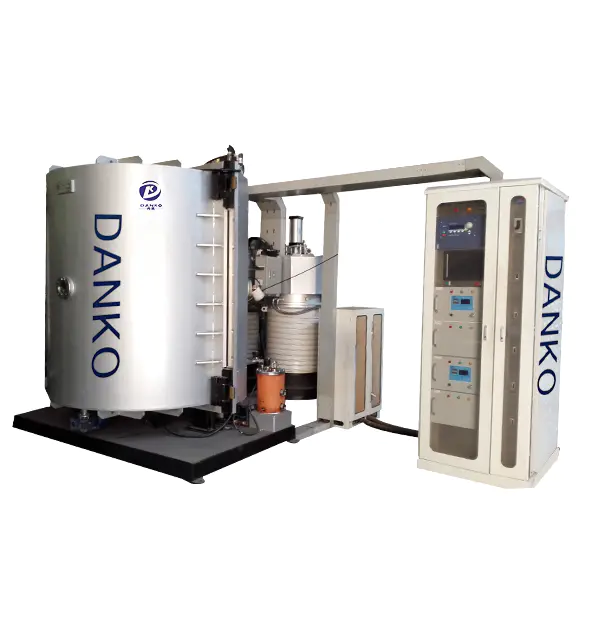
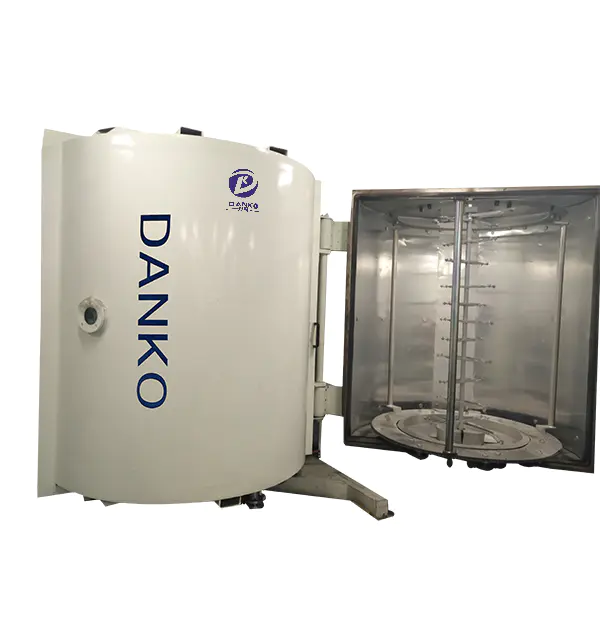
Decorative Vacuum Coating Machines operate under high or ultra-high vacuum conditions, often ranging from millitorr to microtorr levels. Maintaining the integrity of the vacuum chamber is critical, as rapid depressurization or accidental breaches can lead to implosion hazards. To mitigate these risks, chambers are constructed from thick, reinforced materials and equipped with pressure relief valves and interlock systems that prevent the door from opening while under vacuum. Operators must routinely inspect gaskets, seals, and chamber walls for wear, cracks, or deformation. Even minor defects can compromise vacuum stability, reduce coating quality, and pose severe safety hazards. Training in proper chamber operation, gradual evacuation procedures, and controlled venting is essential to ensure that both personnel and equipment are protected from sudden pressure-related accidents.
Electrical and Energy Safety
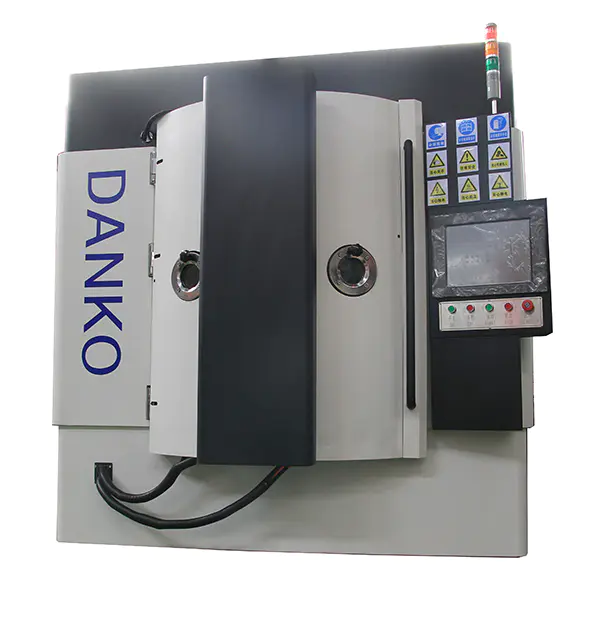
Decorative vacuum coating processes often require high-voltage power supplies for techniques such as sputtering, arc deposition, or plasma-enhanced chemical vapor deposition (PECVD). Exposed electrical components, improper grounding, or insulation failures can lead to severe electrical shocks or fires. Properly engineered machines include emergency power cutoffs, interlocks, and grounded chassis to prevent accidental contact with high-voltage circuits. Operators must follow strict lockout/tagout procedures when performing maintenance or adjustments. Additionally, these machines consume significant energy, which can result in localized heating of components and potential fire hazards if airflow is insufficient. Continuous monitoring of voltage, current, and equipment temperature is recommended to prevent overloads, electrical failures, and interruptions that could compromise safety and coating uniformity.
Target Material and Fume Management
The metallic or polymer targets used in decorative vacuum coating can release fine particulate matter, vaporized atoms, or reactive gases during deposition. Without proper containment, these byproducts can pose inhalation risks or create flammable environments. Effective fume management systems, including exhaust hoods, HEPA or carbon filters, and controlled airflow, are critical to capturing emissions and maintaining safe air quality. Some targets, such as titanium, chromium, or fluoropolymers, are reactive under vacuum or at elevated temperatures, requiring careful handling to avoid fires or chemical reactions. Regular monitoring of the exhaust system ensures that any particulate buildup does not impede airflow, which could reduce coating quality or create hazardous conditions over time.
Chemical Exposure and Handling
Beyond the coating targets, many vacuum coating processes involve the use of cleaning agents, etchants, or pretreatment chemicals, which can be corrosive, toxic, or flammable. Proper personal protective equipment (PPE) such as gloves, eye protection, chemical-resistant clothing, and respiratory masks is essential when handling these substances. Safe storage in dedicated cabinets, clearly labeled containers, and proper segregation of incompatible chemicals prevents accidental reactions or contamination. Operators must also have access to spill containment equipment, eye wash stations, and emergency showers. Adherence to material safety data sheets (MSDS) and workplace chemical handling protocols is critical to protecting both personnel and the surrounding environment.
Thermal Hazards
Decorative vacuum coating machines often generate significant heat during operation. Components such as plasma sources, electron beams, or resistive heating elements can reach temperatures high enough to cause burns or thermal damage to the substrate. Operators must avoid direct contact with heated surfaces and allow sufficient cooling time before performing maintenance. Thermal gloves and other protective gear should be used whenever interaction with the chamber or workpieces is necessary. In addition, high temperatures can compromise vacuum seals, potentially leading to pressure instability, leaks, or coating defects. Proper temperature monitoring, cooling systems, and adherence to operational limits ensure both personnel safety and consistent coating quality.
Noise and Vibration Control
While often overlooked, some decorative vacuum coating machines generate mechanical noise and vibration, particularly from vacuum pumps, arc sources, or moving deposition shutters. Excessive noise can cause hearing damage over time, while vibration may affect coating uniformity or compromise the mechanical integrity of delicate components. Installing vibration-damping mounts, isolating noisy equipment, and providing hearing protection for operators mitigates these risks. Ensuring that mechanical parts are properly balanced and maintained also reduces noise generation and prevents long-term wear or damage to the machine, contributing to both safety and consistent coating performance.
Your email address will not be published. Required fields are marked *
Tel: +86-13486478562
FAX: +86-574-62496601
Email: [email protected]
Address: No. 79 West Jinniu Road, Yuyao, Ningbo City, Zhejiang Provice, China

OEM/ODM PVD Coater Manufacturers