Product Consultation
Your email address will not be published. Required fields are marked *

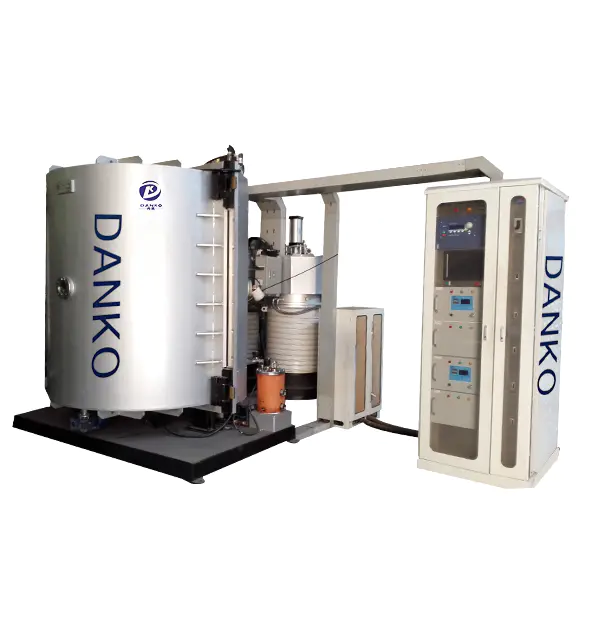
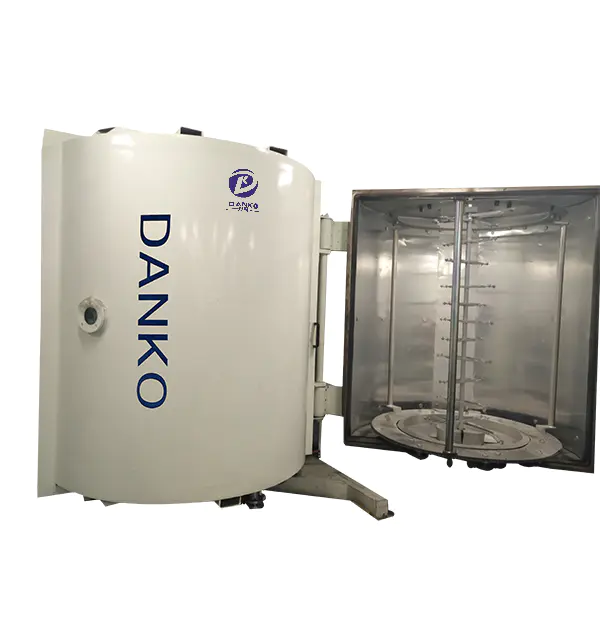
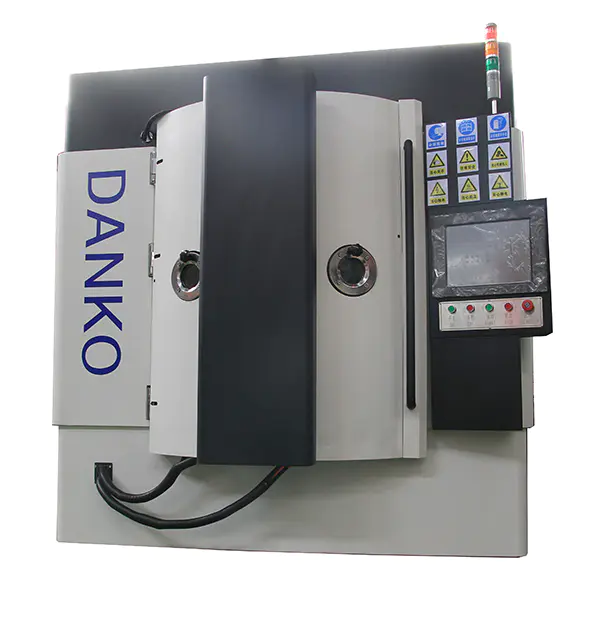
The recommended maintenance cycle for a PVD vacuum coating machine under heavy-duty industrial operation is structured into daily, weekly, monthly, quarterly, and annual intervals. The core conclusion is that stable production requires daily inspection combined with scheduled preventive maintenance every 1–3 months and a full overhaul annually. In high-load environments running 20–24 hours per day, skipping maintenance even for one cycle can reduce coating quality consistency by up to 15–30% and significantly increase vacuum instability risks.
A properly designed maintenance cycle ensures that the PVD vacuum coating machine maintains stable plasma conditions, consistent deposition rates, and extended component life. Heavy-duty operation accelerates wear on vacuum pumps, cathodes, targets, and sealing components, making structured maintenance essential rather than optional.
Daily maintenance is critical for any PVD vacuum coating machine operating under continuous production conditions. Even short deviations in vacuum pressure or target conditions can lead to film defects such as uneven thickness or poor adhesion.
Daily inspection ensures early detection of issues before they escalate into costly downtime or coating defects.
Weekly maintenance focuses on mechanical wear and contamination control in the PVD vacuum coating machine. Under heavy-duty usage, particulate buildup and target erosion become significant factors affecting coating uniformity.
Biweekly maintenance should include recalibration of gas flow controllers and verification of deposition rate consistency, especially for high-precision coating applications.
Monthly servicing of a PVD vacuum coating machine ensures long-term stability of vacuum systems and deposition precision. This stage is particularly important for facilities running continuous production cycles exceeding 600–700 hours per month.
These monthly procedures significantly reduce unexpected shutdowns and improve coating repeatability across production batches.
Quarterly maintenance involves deeper inspection of internal systems in the PVD vacuum coating machine, particularly components exposed to thermal stress and ion bombardment.
Semi-annual maintenance may include partial disassembly of the chamber for deep cleaning, ensuring long-term process stability and reducing contamination-related defects by up to 40%.
The annual overhaul of a PVD vacuum coating machine is essential in heavy-duty operation environments. This stage ensures full restoration of system performance to near-original factory conditions.
Annual overhaul typically requires 3–7 days of downtime but can extend machine lifespan by 5–8 years and significantly reduce long-term operational costs.
The following table summarizes the recommended maintenance cycle for a PVD vacuum coating machine under heavy-duty usage conditions.
| Interval | Main Focus | Expected Outcome |
|---|---|---|
| Daily | Vacuum stability, plasma check | Immediate fault detection |
| Weekly | Cleaning and target inspection | Stable coating quality |
| Monthly | Pump and electrical checks | Reduced downtime risk |
| Quarterly | Deep system inspection | Improved uniformity |
| Annual | Full overhaul | Extended machine lifespan |
Best practices include maintaining a detailed maintenance log, training operators to identify early warning signs, and ensuring spare parts availability. A well-managed maintenance strategy for a PVD vacuum coating machine directly translates into higher throughput, lower defect rates, and improved return on investment in heavy-duty manufacturing environments.
Your email address will not be published. Required fields are marked *
Tel: +86-13486478562
FAX: +86-574-62496601
Email: [email protected]
Address: No. 79 West Jinniu Road, Yuyao, Ningbo City, Zhejiang Provice, China

OEM/ODM PVD Coater Manufacturers