Product Consultation
Your email address will not be published. Required fields are marked *

Vacuum Environment
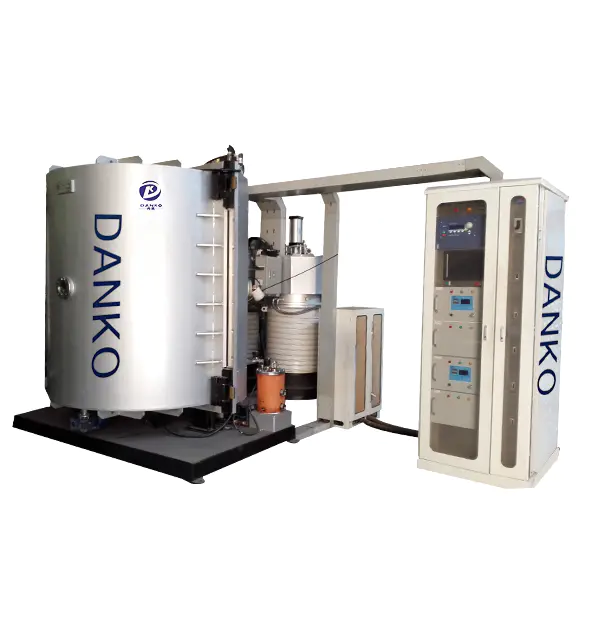
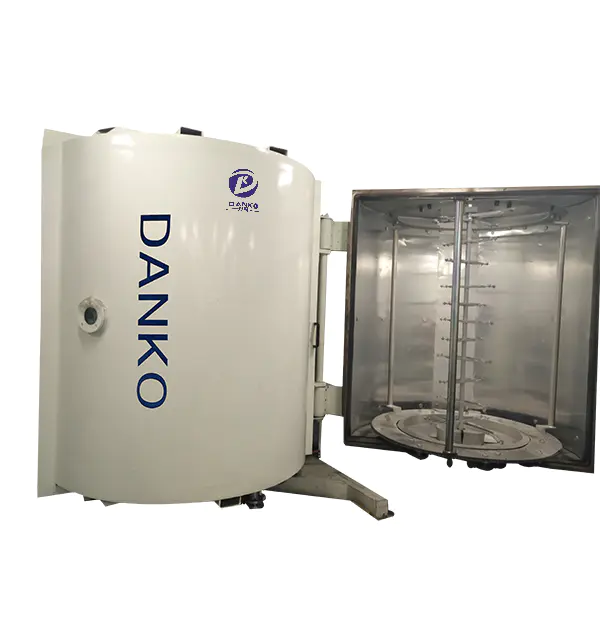
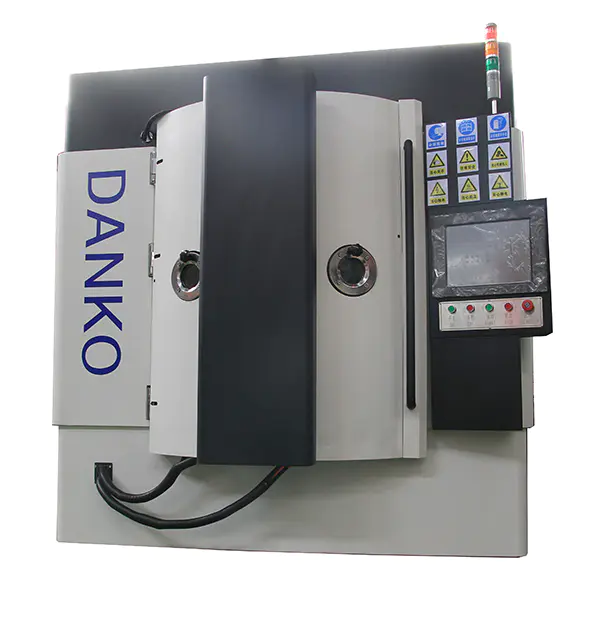
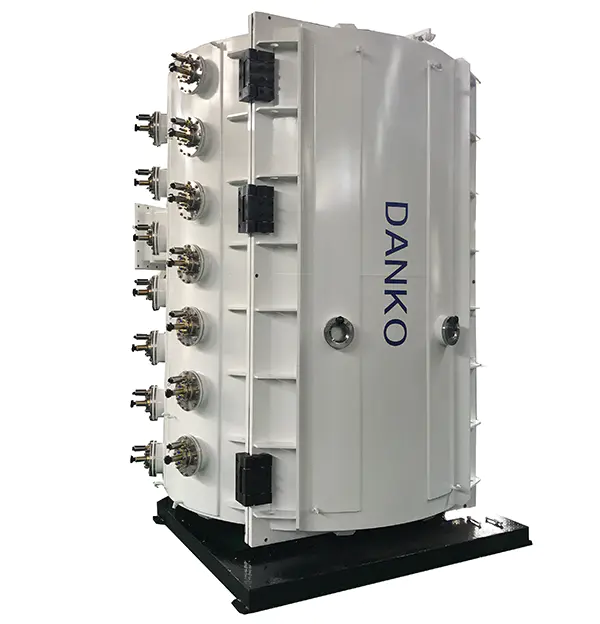
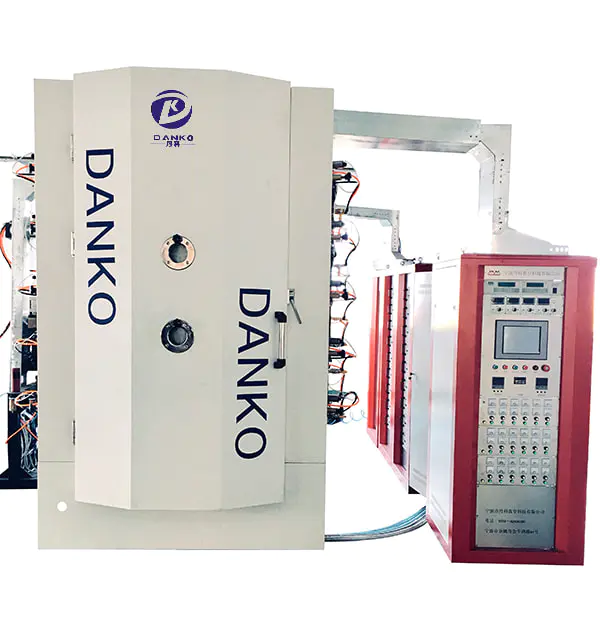
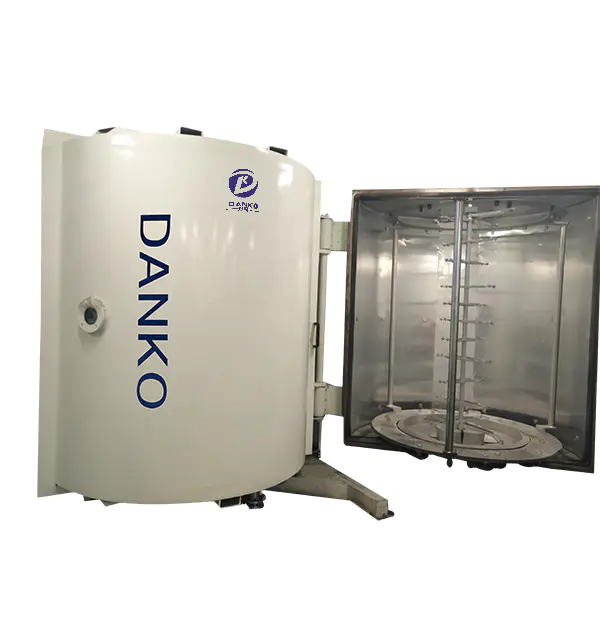
The vacuum coating machine operates in a low-pressure environment, which is one of its most critical features in ensuring the removal of contaminants. By creating a vacuum within the coating chamber, the system minimizes the presence of air, water vapor, and other gases that could interfere with the coating process. In a vacuum, the potential for oxidation, contamination, and chemical reactions with atmospheric gases (such as oxygen or nitrogen) is significantly reduced. This controlled environment prevents the introduction of unwanted particles that could degrade the coating’s quality. The reduction of these atmospheric contaminants is crucial in processes like sputtering or evaporation, where even minute levels of impurities can adversely affect the performance of the coating.
Pre-treatment and Cleaning of Substrates
Before the coating process begins, substrates (the materials to be coated) undergo various pre-treatment methods to ensure they are free of contaminants. The cleaning of substrates is critical to achieving a high-quality coating, as even minor residues, such as oils, fingerprints, dust, or organic contaminants, can disrupt coating adhesion. Common pre-treatment methods include plasma cleaning, where an ionized gas (plasma) is used to remove organic residues, oils, and other contaminants from the surface, leaving it highly reactive and ready for coating. Additionally, ultrasonic cleaning is employed in some systems, using high-frequency sound waves to agitate and remove particulate matter from the substrate. Chemical cleaning methods, which utilize solvents or detergents, may also be applied to ensure the surface is free from any oils or organic residues that could interfere with the deposition process.
Sputter Etching or Ion Etching
To ensure the substrate surface is as clean as possible before coating, sputter etching or ion etching techniques are often employed. In sputter etching, high-energy ions are directed at the substrate surface, effectively dislodging any remaining contaminants, such as dirt or oxides, and cleaning the surface at a microscopic level. This process not only removes physical contaminants but also creates a rougher, more chemically reactive surface that enhances the adhesion of the coating material. The cleaning effect of ion etching is crucial for ensuring that the coating forms a strong, uniform bond with the substrate. This is especially important for high-precision applications where the quality of the coating’s adhesion is vital for long-term durability and performance.
Vacuum Pumps and Filtration Systems
The role of vacuum pumps in a coating machine is to maintain a low-pressure environment by continuously evacuating the chamber of air and other gases, thus removing contaminants from both the chamber and the incoming material streams. These pumps work to lower the atmospheric pressure inside the chamber, which removes volatile organic compounds (VOCs), moisture, and other gases that could potentially interfere with the deposition process. Additionally, the vacuum system is equipped with ultra-fine filters and pre-filters, which prevent particulates, dust, and other impurities from entering the chamber. These filters are especially critical in preventing contamination from the external environment or from the materials used in the process, such as target materials or gases.
In-chamber Purging
The vacuum coating machine often incorporates a purging step during which inert gases, such as argon or nitrogen, are introduced into the chamber. The purpose of purging is to replace any residual air or moisture left in the chamber with a clean, inert atmosphere. This helps to remove any lingering contaminants or gases that could have been trapped in the system after the chamber was sealed or after material handling. The purging process is a critical step for preparing the system before deposition begins, as it ensures that the chamber atmosphere is as clean and free from contaminants as possible. Additionally, purging helps remove any particles that may have been dislodged during substrate handling, reducing the risk of contamination during the actual coating process.
Target Material Purity
The quality of the target material used in the coating process directly influences the purity of the final coating. High-purity target materials are chosen to minimize the introduction of impurities during deposition. For instance, when using sputtering or evaporation, the target materials (such as metals, ceramics, or polymers) are carefully selected to ensure they are free from contaminants that could affect the performance or adhesion of the coating. Impurities in the target material could be deposited along with the intended coating material, leading to an impure or uneven final coating. Using high-quality target materials minimizes the risk of contamination and helps maintain the integrity of the coating process.
Your email address will not be published. Required fields are marked *
Tel: +86-13486478562
FAX: +86-574-62496601
Email: [email protected]
Address: No. 79 West Jinniu Road, Yuyao, Ningbo City, Zhejiang Provice, China

OEM/ODM PVD Coater Manufacturers