
 Email:
 Tel:+86-13486478562

 Language
 Español
 Português




Surface engineering / Architectural hardware Door Handle PVD Coating Machine: Beauty That Survives the Hand A door handle is touched dozens of times...
READ MOREChrome Metallization Coating Machine Manufacturers
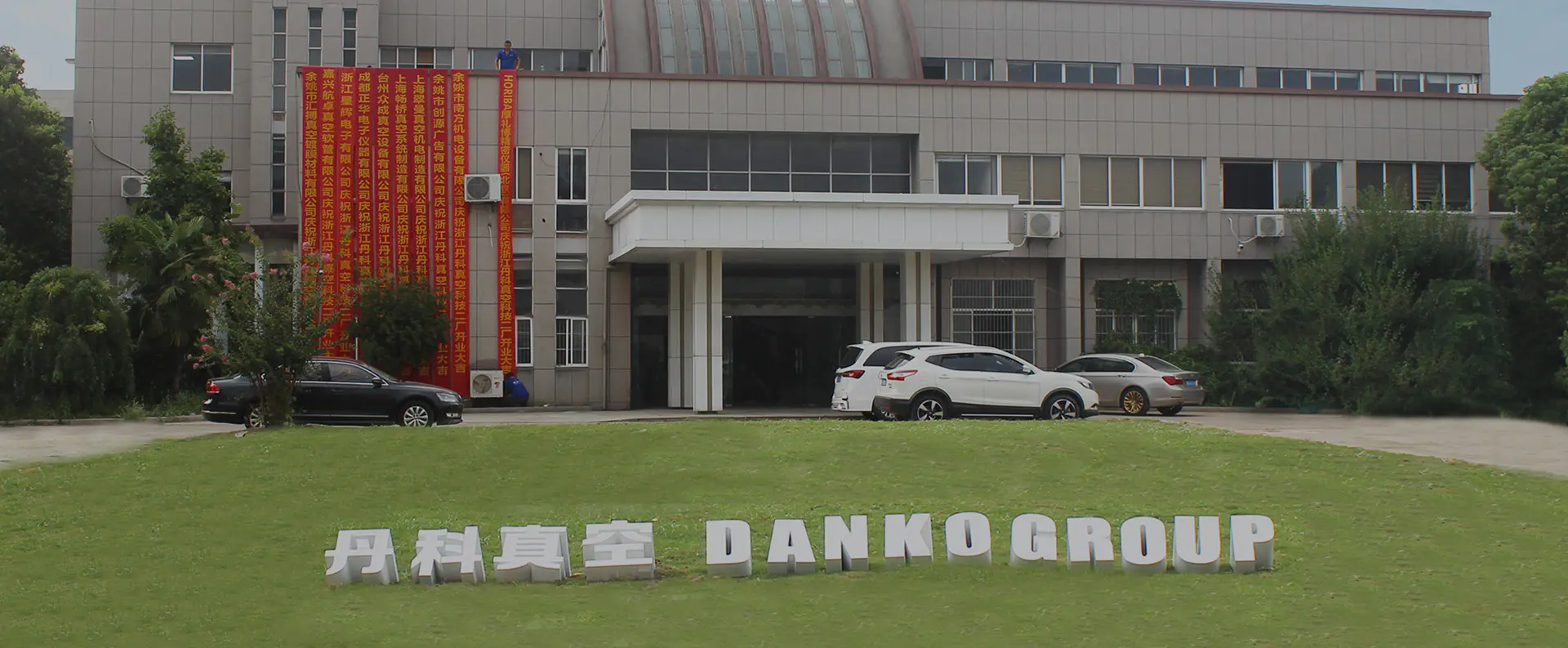
Ningbo Danko Vacuum Technology Co., Ltd. Since 2020
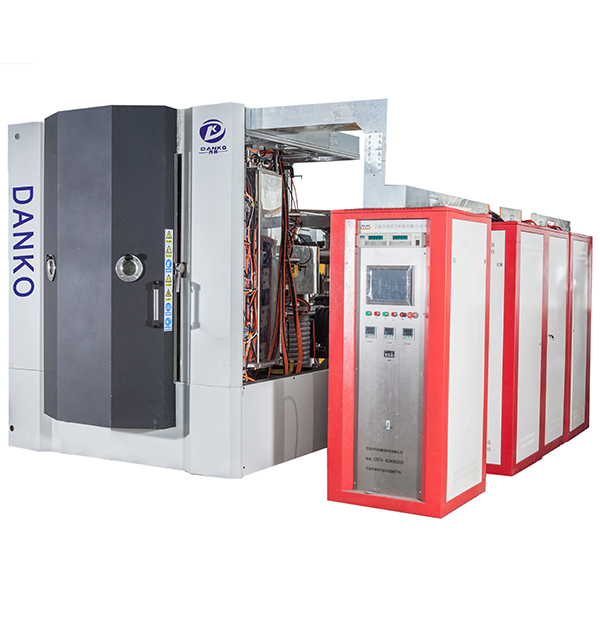
Founded in 2007 as previous name Huahong Vacuum Technology, is a nationwide renowned PVD vacuum coating system manufacturer and vacuum coating technology developer, including but not limited to Sputtering Systems, Optical Coating Units, Batch Metallizers, Physical Vapor Deposition (PVD) Systems, Hard and Wear Resistant Vacuum Coating Deposition Equipment, Glass, PE, PC Substrate Coaters, Roll-to-Roll Machines for coating flexible substrates. The machines are used for a wide range of applications described below (but not limited to) Automotive, Decorative, Hard coatings, Tool & Metal Cutting coatings, and thin film coating applications for industrial and Laboratories including Universities.
As China Chrome Metallization Coating Machine Manufacturers and Metallization Coating Machine Factory, Danko Vacuum Technology Co., Ltd is committed to expanding our market boundaries by providing high-quality, high-performance vacuum coating equipment. Our Company is highly focused on after-sales service in Domestic and International markets, providing accurate part processing plans and professional solutions to meet customers' needs.
As China Chrome Metallization Coating Machine Manufacturers and Metallization Coating Machine Factory, Danko Vacuum Technology Co., Ltd is committed to expanding our market boundaries by providing high-quality, high-performance vacuum coating equipment. Our Company is highly focused on after-sales service in Domestic and International markets, providing accurate part processing plans and professional solutions to meet customers' needs.

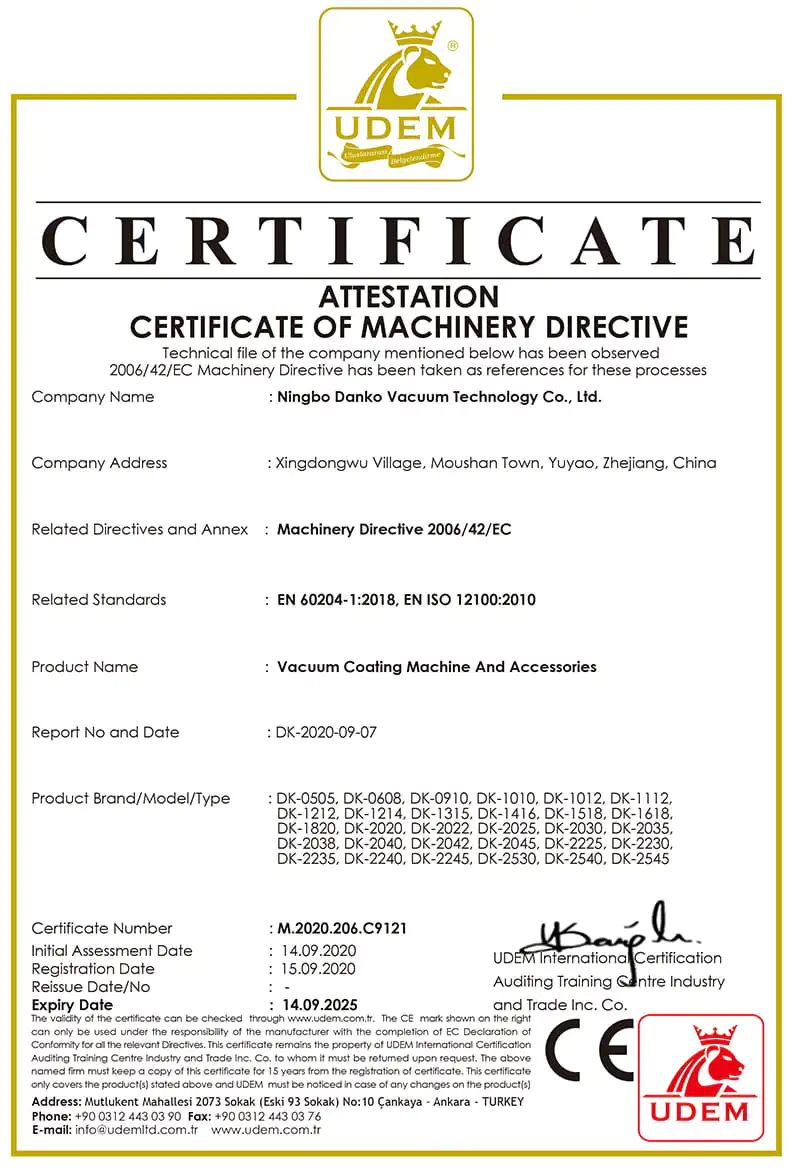
System Certification
We focus on developing high-quality products for top-end markets. As Our products are in line with international standards and are mainly exported to Europe, America, Japan and other destinations around the world.


News
-
-
The Large Area PVD Coater: Where Uniformity Meets Scale A practical, experience-led guide to chamber design, process routes, and the choices that de...
READ MORE -
PVD Coating Technology & Equipment Selection The Electron Beam Vacuum Coating Machine, Explained in Production Terms High-energy evaporation for...
READ MORE -
A cutting tool manufacturer and a maker of premium bathroom fittings may both request a plasma coating machine, yet hear descriptions so different t...
READ MORE
Message Feedback
Industry knowledge
Ningbo Danko Vacuum Technology Co., Ltd. is a PVD vacuum coating system manufacturer based in Yuyao, Ningbo, China. We build sputtering systems, multi-arc ion and thermal evaporation platforms, batch metallizers and hard wear-resistant deposition equipment for automotive, decorative, tool and mould, medical and general thin-film production. Our Product range is organised into four families so a project can be matched to the coating function, substrate and throughput target before chamber dimensions are fixed.
Founded in 2007 as Huahong Vacuum Technology and operating as Danko since 2020, we work under one roof with about 90 professional engineers and technicians covering coating development, machine manufacturing, system delivery and after-sales support. Machines are exported to Europe, America, Japan and other markets, and our proposal work starts from the part, the required film and the production rate rather than from a standard catalogue size.
Our Coating Machine Range
Each family below is a production platform with its own process route, source configuration and handling concept. Sub-types share chamber, pumping and control architecture but differ in evaporation source, bias arrangement and part-fixture design.
Hard / Tribological Coating
Wear-resistant TiN, TiCN, TiAlN, TiAlCrN, DLC and multilayer films on tools, moulds, medical instruments and transmission parts.
Decorative Vacuum Coating
Metallic and coloured finishes on hardware, sanitary ware, furniture, glass and plastics using evaporation, arc and sputtering routes.
Automotive Coating
Reflector metallization for lamps, decorative trim and functional protective layers on engine and chassis components.
Vacuum Accessories
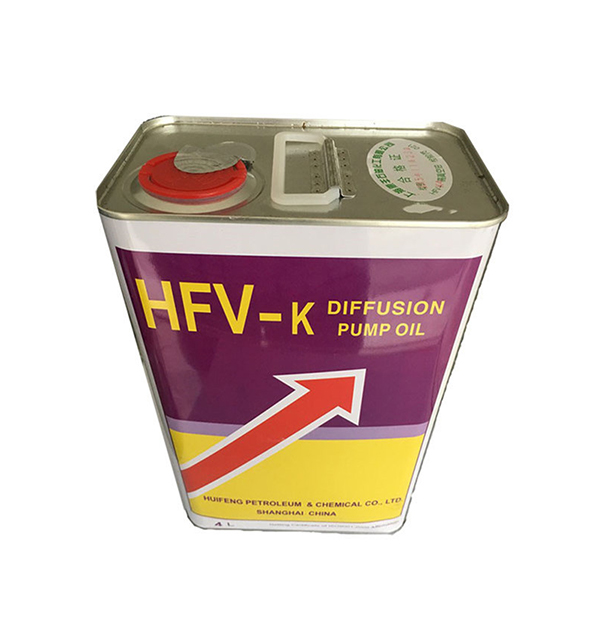
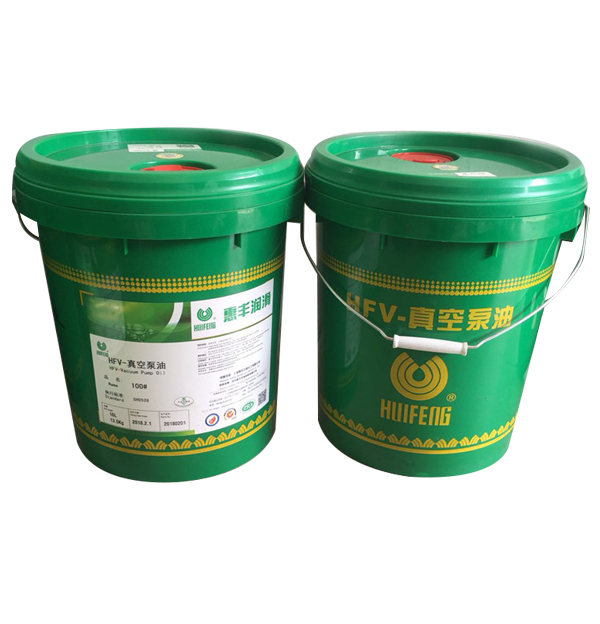
Power supplies, vacuum pumps, pump oil, targets and consumables that keep installed coaters running.
Matching a Sub-Type to the Coating Function
The table below shows how our sub-types are positioned. It is the first filter we apply when a customer sends a part drawing, a target film and a required cycle time.
| Sub-type | Typical parts | Process emphasis | Key configuration choice |
|---|---|---|---|
| DLC-Diamond like carbon coating machine | Cutters, drills, pistons, rings, alloy wheels | Low-friction carbon film, high hardness, chemical stability | Film thickness, bias supply, fixture rotation |
| Tools & Moulds coating machine | Dies, shear moulds, milling cutters, taps, broaches | TiN/TiAlN/TiAlCrN hard films, adhesion, edge coverage | Round or rectangular arc source, 3D rotation |
| Medical instrument coating machine | Surgical and dental instruments | Wear resistance, clean surface, repeatable batch | Small-part fixturing, batch size |
| Mechanical transmission coating machine | Gears, shafts, bearings, wear parts | Friction reduction and surface hardening | Load capacity, part geometry, cycle time |
| Thermal evaporation vacuum coating machine | Plastic trims, glass, hardware | Aluminium metallization, bright reflective finish | Evaporation source, lacquer compatibility |
| Multi-arc ion coating machine | Sanitary ware, door handles, fittings | Durable coloured PVD finishes | Target material, colour control, fixture layout |
| Magnetron sputtering coating machine | Flat panels, large trims, glass | Uniform film on large areas, alloy and compound layers | MF or DC sputtering, target size, uniformity masking |
| Large steel & furniture coating machine | Steel furniture, long profiles, architectural hardware | Large chamber, high load, consistent colour | Chamber size, jig design, pump-down time |
| Automotive lights metallization coating machine | Headlamp and tail-lamp reflectors | High-voltage ion bombardment plus aluminium finishing | Horizontal or vertical chamber, reflector handling |
| Automotive decorative parts coating machine | Grilles, badges, interior trim | Chrome-look and coloured finishes on plastic | Base-coat compatibility, batch layout |
| Special coating machine for auto parts | Engine, transmission and braking components | Dense protective layer against rain, salt and oil | Film system, part masking, load density |
Substrate and Pre-Treatment Requirements
Arc ion and sputtering processes need a substrate that can accept a charged surface and survive the thermal load of the cycle. We confirm this before recommending a platform.
- Stainless steel, carbide hard alloy, high-speed steel and tungsten alloy.
- Zinc, copper and aluminium die-castings, plus copper and iron parts after electroplating.
- Electroplated plastics including ABS, PC, ABS+PC, PVC, nylon and crystal.
- Glass and ceramics.
- Flexible substrates such as polyester film, PC film, paper, cloth, foam and steel belt on roll-to-roll platforms.
Base materials need electrical conductivity, heat resistance above 70 °C and no outgassing during pump-down. Parts that do not meet these conditions are usually routed to a lacquer base coat or a different handling concept, and we state that in the technical proposal rather than after the chamber is built.
Engineering Value Built Into Each Platform
Hard-coating platforms use a vacuum chamber whose sealing, interior design and moving-part materials are selected for high-temperature duty. We assemble either a high-efficiency round arc evaporation source or a rectangular flat arc source, and can add a hollow cathode gun with an improved bias power supply to raise plasma density. The result is denser films with better adhesion, while three-dimensional part motion improves coating uniformity across the batch.
Full automatic control runs the process sequence steadily, which matters when the same recipe is repeated across shifts. Film systems we deposit on these platforms include TiN, TiC, TiCN, TiAlCN, TiCrCN, TiAlCrN and multilayer super-hard coatings.
- Chamber and pumping: sized to the part envelope and the required pump-down time.
- Sources: arc, magnetron sputtering, thermal evaporation or a combined evaporation-plus-sputtering layout.
- Fixtures: rotation and 3D motion designed around part geometry and load weight.
- Control: recipe-driven automatic sequencing with process data recording.
- Utilities: power, cooling water and compressed air requirements defined with the layout drawing.
Automation, Installation and Acceptance
Control architecture is agreed with the line interface at proposal stage: standalone batch operation, recipe selection by part number, or handshake signals to an upstream pre-treatment line and downstream inspection station. Operator safety is handled through interlocked chamber access, guarded high-voltage areas and defined lockout points for maintenance.
We debug and inspect each machine before shipment. Acceptance is based on an agreed sample part, an agreed film specification and a run of consecutive cycles, with coating thickness, adhesion and appearance recorded against the approved sample. Site work covers mechanical installation, vacuum and utility connection, process recipe tuning and operator training.
Vacuum Accessories and Consumables
Our Vacuum accessories range supports both new machines and installed coaters: power supplies, vacuum pumps, vacuum pump oil, and consumption materials and targets. Holding these items in the same supply scope shortens the path from a worn target or a pump service to a production restart, and keeps spare-part specifications matched to the original system.
Information We Use to Configure Your Solution
A workable configuration and quotation come from a small set of project inputs. When these are complete, we can fix chamber size, source count, pumping and control scope without later redesign.
- Part drawings, material and surface condition before coating.
- Required film type, target thickness and any colour or gloss standard.
- Batch size, parts per cycle and required cycles per shift.
- Maximum part dimensions and load weight per fixture.
- Available floor space, power capacity, cooling water and compressed air.
- Upstream and downstream equipment the coater must interface with.
- Acceptance criteria and the sample part that will be used for the run.
Frequently Asked Questions
What does Danko manufacture?
We manufacture PVD vacuum coating systems including sputtering systems, optical coating units, batch metallizers, multi-arc ion and thermal evaporation platforms, hard and wear-resistant deposition equipment, and roll-to-roll machines for flexible substrates. Vacuum accessories and consumables are supplied alongside the machines.
Can one machine coat both tools and decorative parts?
Usually not at production level. Hard-coating duty needs high-temperature chamber design, arc sources and 3D rotation for edge coverage, while decorative duty is driven by colour consistency and surface appearance. We size the platform around the dominant product and note any secondary use in the proposal.
Which substrates can be coated?
Steel, carbide and tungsten alloys, electroplated die-castings and plastics, glass, ceramics and flexible films. The base material must be conductive, withstand at least 70 °C and release no gas during pump-down.
How is a coating machine sized for a new line?
We start from the largest part, the parts per cycle and the required cycles per shift, then set chamber volume, source count, pumping speed and fixture layout. Utility capacity and the line interface are confirmed in the same review.
What support is provided after delivery?
Our after-sales team supports installation, recipe tuning and operator training, and supplies spare parts, pumps, oil and targets through the vacuum accessories range. Technical questions are handled by the same engineering group that configured the machine.

Quick Link
Detailed information
 Tel: +86-13486478562
 FAX: +86-574-62496601
 Email: [email protected]
 Address: No. 79 West Jinniu Road, Yuyao, Ningbo City, Zhejiang Provice, China
Copyright © Ningbo Danko Vacuum Technology Co., Ltd. All Rights Reserved.
 Custom Chrome Metallization Coating Machine Manufacturers