Ningbo Danko Vacuum Technology Co., Ltd. builds PVD vacuum coating systems for cutting tools, dies and moulds. Our Tools & Moulds coating machine range deposits TiN, TiCN, TiAlN, TiAlCrN, CrN and DLC-type hard films on drills, milling cutters, taps, broaches, stamping dies, forming moulds and die-casting tooling.
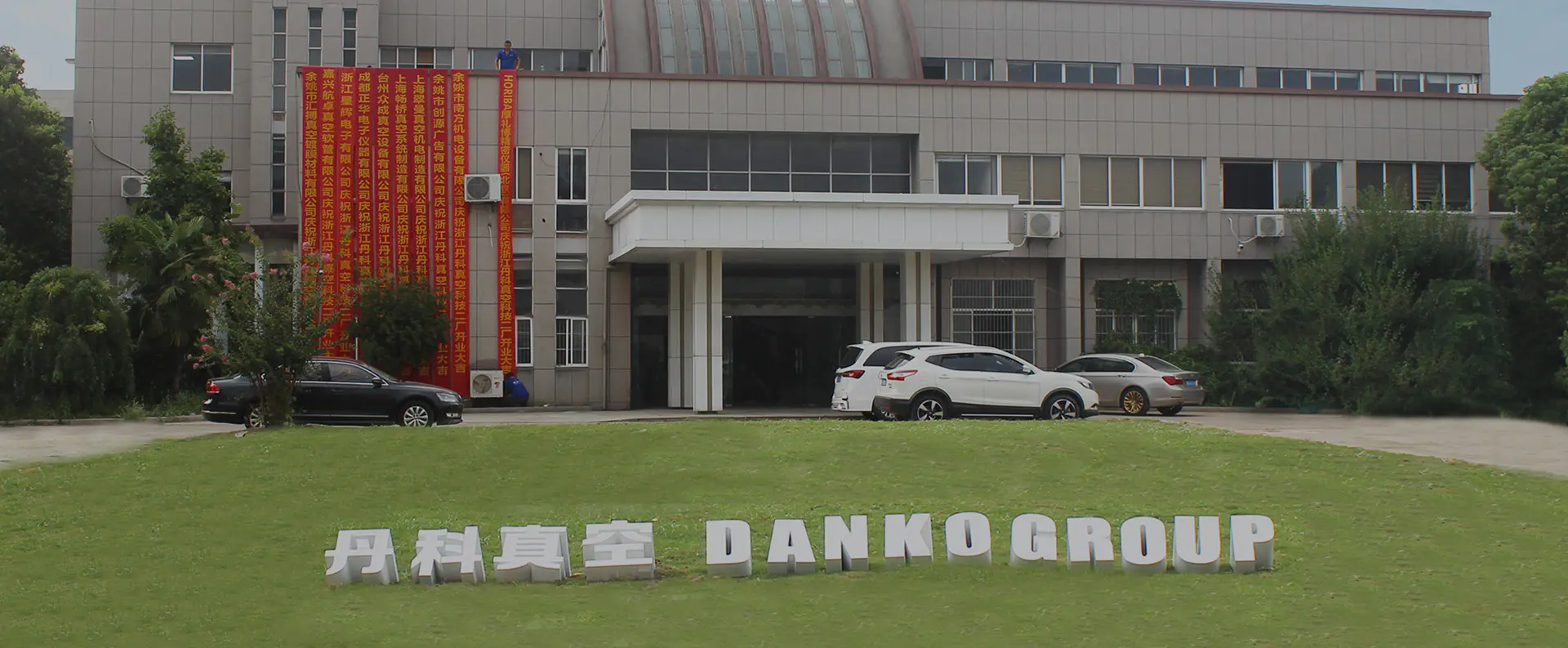
We have manufactured vacuum deposition equipment since 2007 under our previous name Huahong Vacuum Technology, and today we operate with about 90 professional engineers and technicians covering coating development, system manufacturing, delivery and after-sales service. Our machines are exported to Europe, America, Japan and other markets.
Where Our Tools & Moulds Coating Machines Fit
Hard-film PVD is a wear-protection step inside tool and mould production. A coating system must match the substrate, the working temperature of the tool, the required film family and the batch size. We configure each machine around those inputs rather than offering one fixed chamber.
Cutting tools
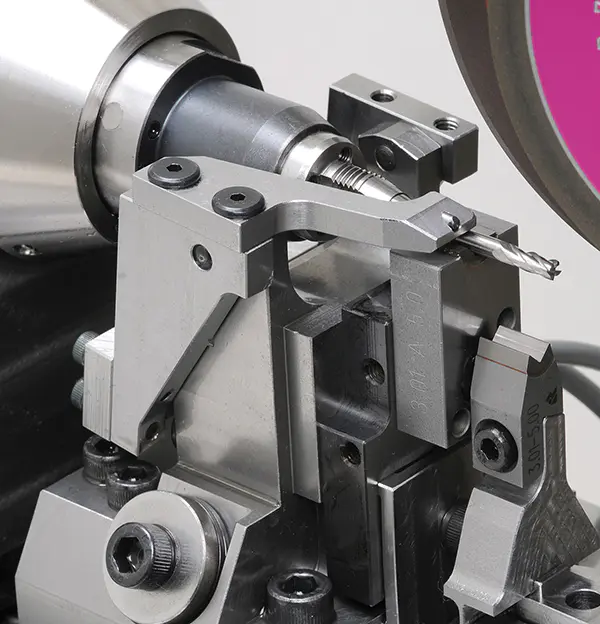
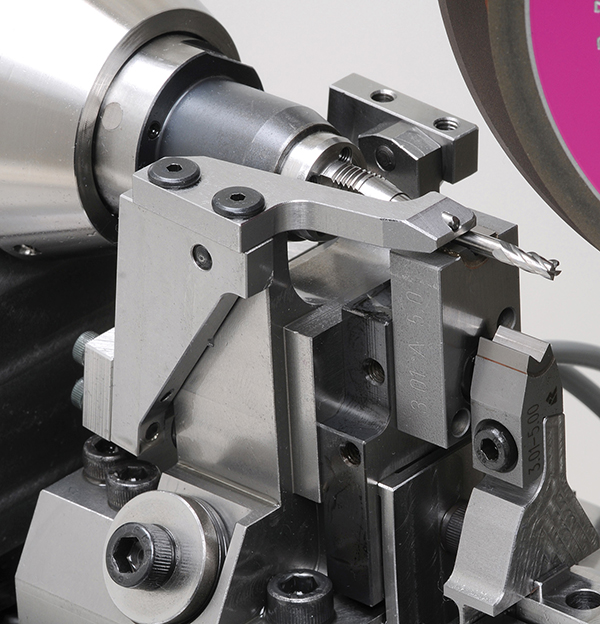
Drills, milling cutters, taps, broaches, gear cutters and carbide inserts requiring low-friction, heat-resistant films.
Dies and moulds
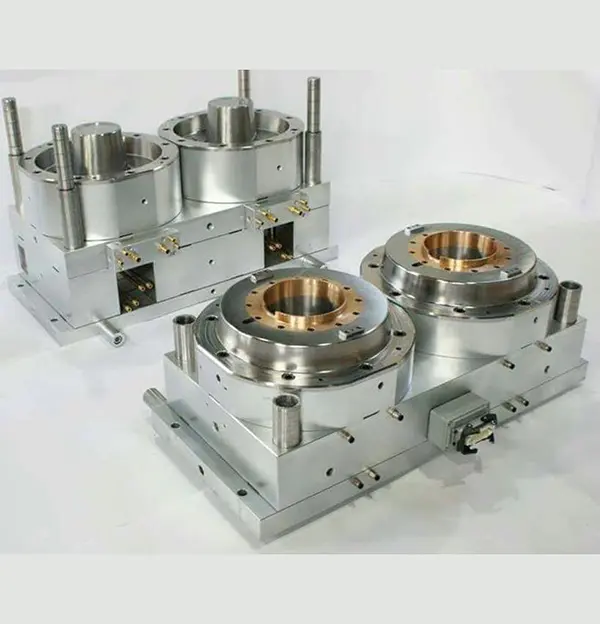
Stamping dies, shearing dies, forming moulds, standard-part moulds and injection moulds exposed to abrasion and adhesion.
Automotive tooling
Pistons, piston rings, alloy wheels, valve parts and transmission components that need hard, low-wear surfaces.
Our Tools & Moulds Coating Machine Range
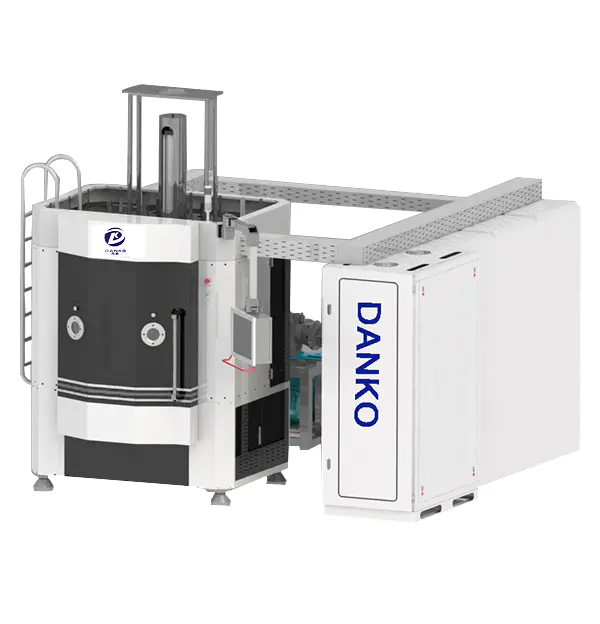
The range covers arc evaporation, magnetron sputtering and combined arc-sputtering platforms. Each model is a starting point for configuration; chamber dimensions, source arrangement, bias power and automation are matched to the parts and the production target.
| Machine type |
Typical parts |
Film families |
Configuration focus |
| Tool & Die super subdural ion plating machine |
Drills, carbide tools, milling cutters, broaches, taps, gear tools, stamping and forming dies |
TiN, TiC, TiCN, TiAlN, TiAlCN, TiCrN, TiCrCN, TiAlCrN and multilayer super-hard films |
Circular arc or rectangular planar arc sources, hollow cathode guns, impact-resistant bias supply, 3D workpiece motion |
| Tools PVD hard surface coating machine |
Cutting, stamping, moulding and metal die-casting tools |
TiN, TiAlN and multilayer composite films, with DLC function |
Arc-sputtering system, ion cleaning, layer-thickness control, vertical batch single or double door |
| Vacuum cutting tool coating machine |
Drills, milling heads, broaches, gear cutters and similar cutting edges |
Hard nitride and carbonitride films, multilayer composites |
High-vacuum chamber, ion-jet cleaning, evaporation and ionization sources, coating thickness control |
| Milling cutter PVD magnetron sputtering metallizing machine |
Milling cutters and similar rotating tools |
Sputtered nitride and composite films |
Magnetron sputtering sources, target selection, deposition uniformity |
| Mould hard vacuum coating machine |
Injection moulds, forming moulds and large die bodies |
Hard nitride and wear-resistant films |
Chamber size for large moulds, fixture design, uniform coverage on complex geometry |
For applications that need low-friction carbon films, our DLC-Diamond like carbon coating machine family extends the same platform with diamond-like carbon capability. The wider Hard/tribological coating machine group covers medical instruments, mechanical transmission parts and other wear-critical components.
Substrates and Surface Preparation
Our systems are built for conductive, heat-resistant tool and mould materials. High-speed steel, tungsten carbide, die steel and similar alloys are the standard substrate group. Parts must be clean, free of oil and oxides, and able to withstand the coating temperature without outgassing.
- Typical substrates: HSS, carbide, die steel, stainless steel, mould steels and selected non-ferrous alloys.
- Surface condition: polished or ground surfaces with controlled roughness; edges free of burrs and residual coolant.
- Pre-treatment: alkaline cleaning, rinsing and drying before loading; ion-jet cleaning inside the chamber removes residual oxides and improves adhesion.
- Fixtures: part-specific jigs are designed for 3D rotation so that flutes, edges and recesses receive uniform film coverage.
Critical Specifications We Confirm Before Build
A coating system is defined by the chamber, the pump set, the source configuration and the control architecture. We confirm these points against the part mix and the required film before releasing a design.
Chamber and load
Vertical batch chamber with single or double door; usable height and diameter matched to the longest tool or largest mould; fixture weight and batch count.
Pumping and vacuum
Pump combination, base pressure and pump-down time; vacuum seals and in-chamber moving parts designed for high temperature.
Sources and bias
Number and type of arc or sputtering sources; bias power supply with flash-arc extinguishing for stable plasma and film density.
Control and data
PLC-based automatic control, recipe storage, parameter logging and operator interface; integration with plant utilities and line signals where required.
Coating Processes and Film Selection
Film choice follows the wear mechanism. Abrasive wear, adhesive pick-up, high-temperature cutting and metal forming each call for a different layer stack. We support the common hard-film families and can build multilayer and gradient structures.
- TiN: general-purpose hard film for drills, taps and moulds; gold colour, good adhesion.
- TiCN and TiC: higher hardness for abrasive wear and die surfaces.
- TiAlN and TiAlCN: oxidation resistance for high-speed cutting and dry machining.
- TiCrN, TiCrCN and TiAlCrN: multilayer and super-hard stacks for demanding forming and die-casting tools.
- DLC-type carbon films: low friction and anti-adhesion where galling or pick-up is the main failure mode.
Automation, Installation and Acceptance
Our machines run on fully automatic control sequences so that pump-down, heating, etching, deposition and cooling follow a stored recipe. This reduces operator variation and keeps film properties stable from batch to batch. Substrates move in three dimensions during deposition to improve uniformity across complex tool geometry.
Installation planning covers power supply, cooling water, compressed air, exhaust and floor space. We prepare a utility schedule with the proposal so that site works can proceed in parallel with manufacturing. Acceptance is based on the agreed film and part scope: coating thickness, adhesion and appearance are checked on sample parts, and the machine is debugged and inspected before shipment.
Quality, Documentation and After-Sales Support
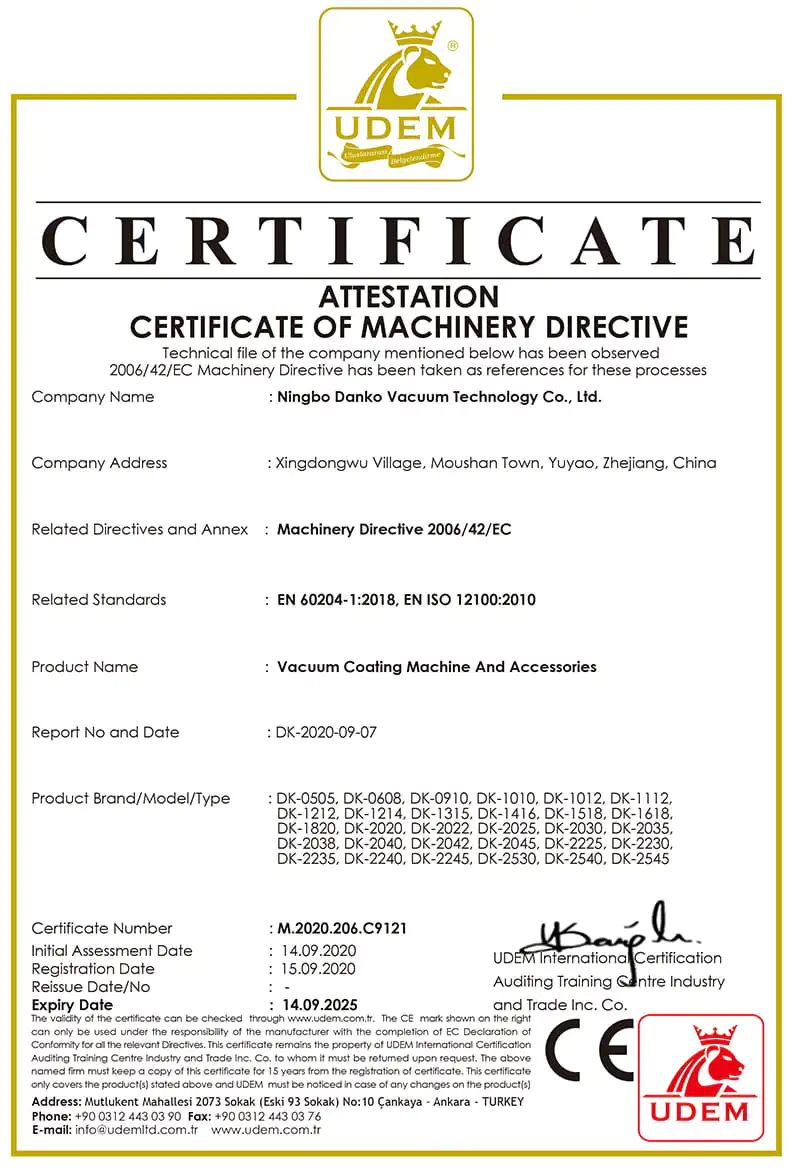
We build to international standards and our products carry CE certification. Each system is inspected and debugged before dispatch. Documentation includes operating instructions, maintenance schedules and spare-parts lists. Our after-sales team supports domestic and international customers with part-processing plans, technical training and timely problem solving.
Consumables and wear parts are available through our Vacuum accessories range, including power supplies, vacuum pumps, pump oil and targets. This keeps a coating line supplied from a single source for commissioning and routine maintenance.
Information We Use to Configure Your Solution
We prepare a configuration and quotation from the part data and production target. The more precisely the inputs are defined, the closer the proposed chamber, source set and cycle time will be to the real working point.
| Input |
What we need |
Why it matters |
| Part drawings |
Dimensions, weight, material and surface condition |
Defines chamber size, fixture design and loading pattern |
| Film requirement |
Film family, target thickness and performance goal |
Selects sources, targets and deposition sequence |
| Production target |
Batch size, cycles per shift and annual volume |
Sizes the pump set, cooling capacity and automation level |
| Site conditions |
Available power, water, air, floor area and lifting access |
Confirms utility schedule and installation plan |
| Acceptance scope |
Sample parts, test methods and documentation language |
Sets the factory test and handover criteria |
Frequently Asked Questions
Which tools and moulds can be coated in your machines?
Our Tools & Moulds coating machines handle drills, milling cutters, taps, broaches, gear cutters, carbide inserts, stamping and shearing dies, forming moulds, standard-part moulds and injection moulds. Automotive parts such as pistons, piston rings and alloy wheels are also coated on the same platform. Parts must be conductive and able to withstand the coating temperature without outgassing.
What film thickness and uniformity can we expect?
Thickness depends on the film family and the required tool life. We set the deposition time and source power from the target thickness, and use 3D workpiece motion plus part-specific fixtures to keep coverage uniform across flutes, edges and recesses. The agreed thickness and uniformity are verified on sample parts during acceptance.
Can the machine be integrated with our existing production line?
Yes. The control system is built around the required line interface. We confirm signal types, loading method and data logging needs during configuration, and the automatic sequence can be adapted to the way parts arrive and leave the coating area.
What installation utilities are required?
A system needs electrical power, cooling water, compressed air, exhaust and suitable floor space with lifting access. We issue a utility schedule with the proposal so that site preparation matches the machine. Final values are confirmed once the chamber and pump set are fixed.
How is the machine tested before shipment?
We debug and inspect each system before dispatch. Factory testing covers vacuum performance, source and bias operation, automatic sequence and coating trials on sample parts. The acceptance scope is agreed in the proposal so that the test reflects the films and parts you will run.
What support is available after commissioning?
Our after-sales team provides part-processing plans, operator training and troubleshooting support. Consumables such as targets, pump oil and spare parts are supplied through our vacuum accessories range. Maintenance schedules and spare-parts lists are included in the documentation.

 Email:
 Tel:+86-13486478562

 Language
 Español
 Português





 Tel: +86-13486478562
 FAX: +86-574-62496601
 Email:
 Address: No. 79 West Jinniu Road, Yuyao, Ningbo City, Zhejiang Provice, China
